
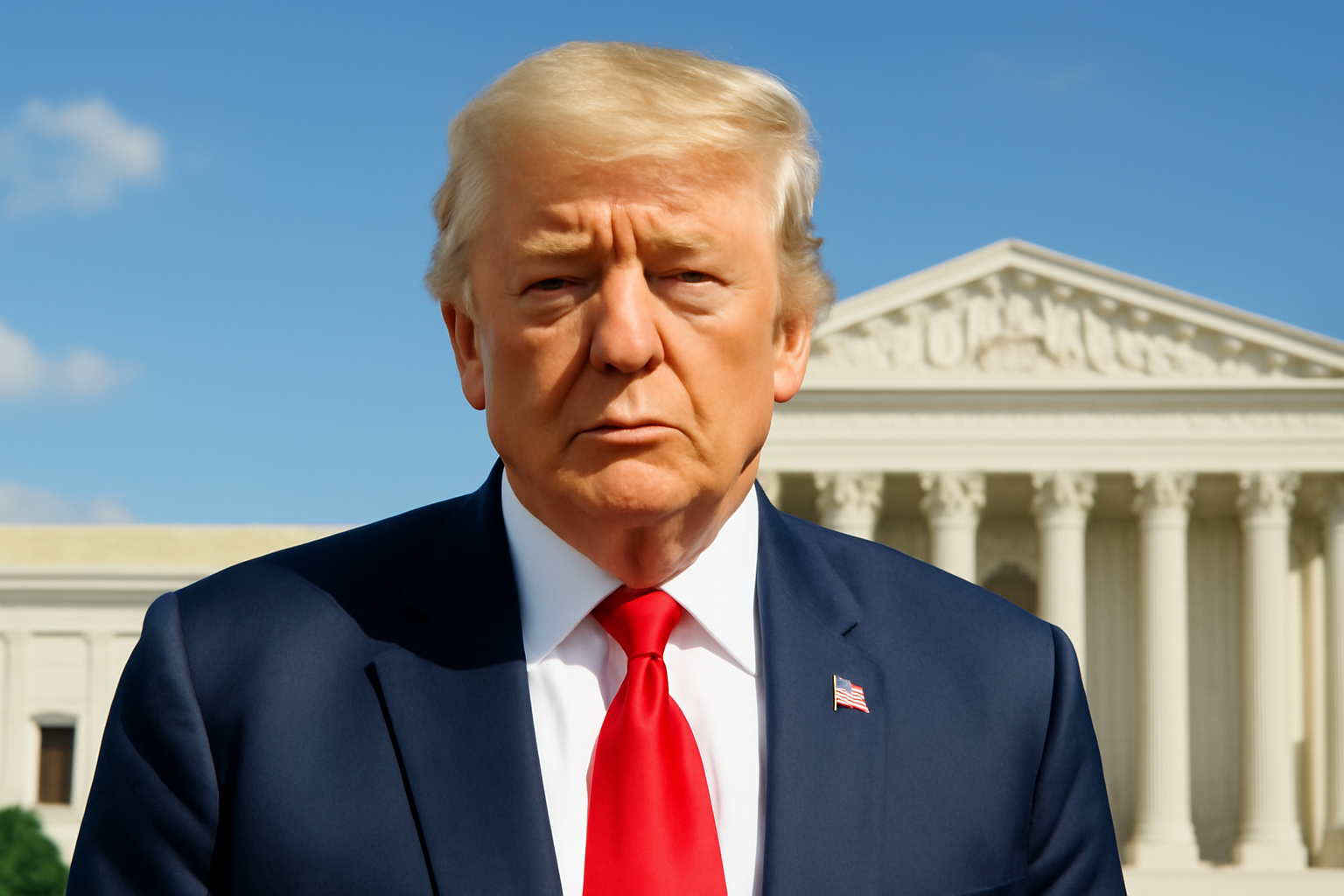
In a landmark decision that has set the legal and political world abuzz, the Supreme Court ruled against former President Donald Trump's appeal to delay sentencing in his ongoing legal battles. This pivotal ruling means that Trump, now a convicted felon, will face unprecedented challenges as he seeks to return to office. The decision has sent ripples through the political landscape, raising important questions about the implications for his potential presidency and the broader impact on American democracy.
Legal and Political Implications of the Supreme Court Decision
The Supreme Court's decision is significant not only for Trump but also for the American legal system, which has rarely dealt with such high-profile cases involving a former president. The justices, in a closely watched deliberation, opted not to grant Trump's appeal to delay his sentencing, despite arguments from his legal team that such a delay was necessary to ensure due process.
This ruling marks a critical turning point, as it establishes that no individual, regardless of their status or past position, is above the law. Legal experts are examining the implications of this decision, considering how it will affect the conduct of future cases involving high-level officials. Additionally, the ruling underscores the judiciary's role in maintaining the rule of law amidst political pressures.
Trump's Path Forward Amidst Legal Challenges
Facing a conviction while eyeing a return to the presidency places Trump in an unprecedented position. His legal troubles could complicate his political aspirations, as he navigates the dual challenges of maintaining his political base and addressing his legal issues. Supporters argue that the ruling is part of a broader political strategy to undermine his influence, while critics see it as a necessary enforcement of legal accountability.
Trump's legal team has vowed to continue challenging the decision, exploring potential avenues for appeal and emphasizing his right to a fair trial. However, the Supreme Court's ruling has limited his options, at least in the short term, as lower courts proceed with sentencing and other related proceedings.
Impact on Trump's Political Strategy and Support Base
Despite the legal setbacks, Trump's political influence remains significant, with many of his supporters viewing the legal battles as politically motivated. The ruling may galvanize his base, who see him as a victim of judicial overreach. This perception could play a crucial role in shaping his campaign strategy as he seeks to rally support ahead of the next election cycle.
Political analysts suggest that Trump may use this ruling to further energize his supporters, framing himself as a champion of the people against an elite establishment. This narrative has resonated with his base in the past and could serve as a powerful tool in his political arsenal.
Broader Implications for American Democracy
The Supreme Court's decision also has broader implications for American democracy, particularly regarding the accountability of political leaders. The ruling reinforces the principle that legal accountability applies to all, regardless of political position or influence. This precedent may influence how future cases involving public figures are handled, potentially leading to increased scrutiny and legal action against those in power.
As the nation grapples with the fallout from this decision, it raises important questions about the balance between political power and legal responsibility. The outcome of Trump's legal challenges will likely have lasting effects on the American political landscape, shaping the discourse around governance, accountability, and the rule of law.
In conclusion, the Supreme Court's ruling against Trump's appeal to delay sentencing marks a significant moment in American legal and political history. As the former president faces the challenges of being a convicted felon while pursuing political office, the implications for his campaign, his supporters, and American democracy continue to unfold.
Related Posts
Supreme Court to Address State Bans on Trans Women in Female Sports
The upcoming U.S. Supreme Court term promises to be a pivotal moment for transgender rights, as the nation's highest court has agreed to evaluate whether states have the authority to prohibit transgender women from participating in female sports competitions. This case, scheduled to be argued in the next term beginning October, is expected to have a significant impact on the future of sports inclu [...]
Megan Rapinoe and Sue Bird Announce Amicable Separation After Ten Years Together
In a heartfelt announcement that resonated deeply within the sports and LGBTQ+ communities, soccer star Megan Rapinoe and basketball legend Sue Bird have revealed their decision to part ways after nearly a decade together. The couple, who have been icons both on and off the field, shared the news with their fans through a joint statement on social media, expressing that the choice was made with mu [...]
Groundbreaking Ruling Ends Sodomy Ban for Police and Military in the Dominican Republic
The Constitutional Court of the Dominican Republic recently delivered a landmark decision on November 18th, ruling that the nation’s police and armed forces are not permitted to criminalize consensual same-sex relations among their personnel. This pivotal ruling is a significant stride towards equality and the protection of LGBTQ+ rights within these institutions. A Resounding Victory for Equal [...]