
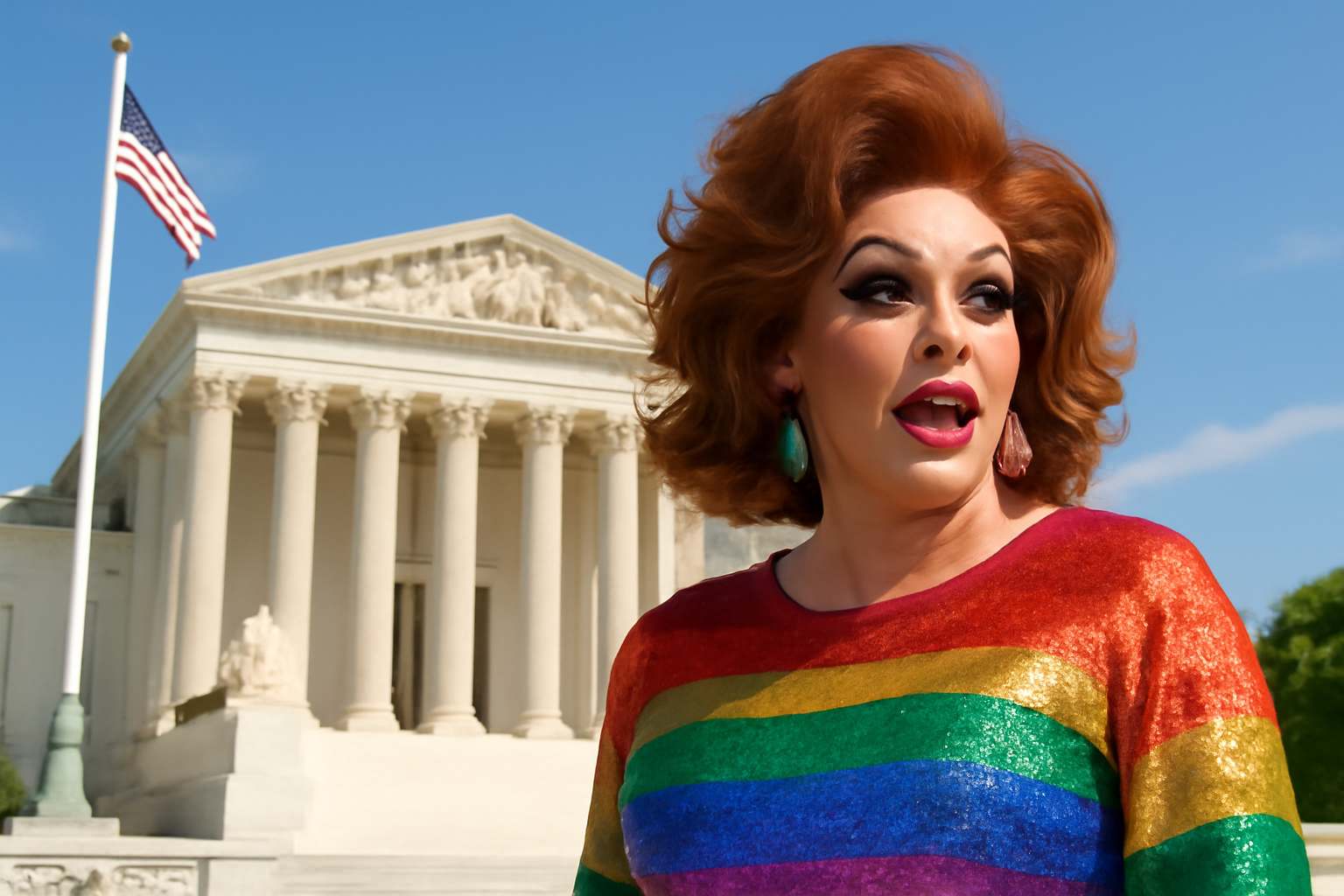
The U.S. Supreme Court recently decided not even look at an appeal challenging Tennessee's Adult Entertainment Act (AEA). This 2023 law takes aim at drag performances, stirring up a whirlwind over free speech and artistic freedom.
Understanding Tennessee's adult entertainment act
The legal drama kicked off when a Tennessee theater group, Friends Of George's, questioned whether AEA was even legal. Governor Bill Lee, a Republican, signed it in March 2023, marking it as America's first law putting restrictions on drag shows.
The AEA lumps "adult cabaret entertainment" in with stuff that could harm kids, including acts by topless dancers, go-go dancers, exotic dancers, strippers, and "male or female impersonators." The law claims these acts don't have any "serious literary, artistic, political, or scientific values" and instead appeal primarily "to prurient, shameful, or morbid interests."
The court battles surrounding AEA
Lawsuits popped up right away, with critics arguing that AEA stifles First Amendment rights by specifically going after drag shows. Initially, U.S. District Judge Thomas Parker struck down AEA, saying it violated free speech protections and separation-of-powers principles.
While Judge Parker recognized Tennessee's intentions in protecting minors, he slammed AEA as overly broad, pointing out it could affect multiple public venues. But then, a curveball—the 6th Circuit Court Of Appeals overturned Parker's decision, not over constitutional issues, but because Friends Of George's couldn't prove a real risk they'd face prosecution. So back it went, with orders from above: dismiss it.
What happens now that SCOTUS isn't stepping in
The Supreme Court's refusal leaves a big question mark on AEA's constitutionality. Only a specific case where someone gets charged under AEA may finally settle things legally.
This limbo lands hard on drag performers, leaving them unsure about their legal footing. LGBTQ+ supporters voice frustration and fear, sensing a targeted move against LGBTQ+ culture.
Activism in response from LGBTQ+ community
The whole AEA affair and legal skirmishes have fired up LGBTQ+ activists both locally and across borders. Protests and celebrity shout-outs emphasize what they see as a blow against free expression.
It began with local pushback against public drag shows, particularly a yearly Pride parade in Jackson, Tennessee. This discontent fueled attempts in legislature that eventually crystallized as AEA.
Activists are doubling down on efforts either repeal or tweak it, underlining how vital it remains protect creative liberties. They see such laws setting a dangerous path other states might follow.
What's ahead if drag shows endure under AEA
The AEA's future remains hazy, dependent on fresh legal fights or lawmakers' decisions. Meanwhile, drag artists and backers won't back down, standing firm on their freedoms, not hiding in shadows cast by restrictive laws.
Tennessee's situation mirrors cultural and political battles still shaking LGBTQ+ fundamentals across America. It underscores why vigilance never fades and advocacy continually matters ensuring all expressive forms, like drag, receive legal protection.
For more updates on this issue and other LGBTQ+ news, consider subscribing our newsletter.
Related Posts
Supreme Court to Address State Bans on Trans Women in Female Sports
The upcoming U.S. Supreme Court term promises to be a pivotal moment for transgender rights, as the nation's highest court has agreed to evaluate whether states have the authority to prohibit transgender women from participating in female sports competitions. This case, scheduled to be argued in the next term beginning October, is expected to have a significant impact on the future of sports inclu [...]
Megan Rapinoe and Sue Bird Announce Amicable Separation After Ten Years Together
In a heartfelt announcement that resonated deeply within the sports and LGBTQ+ communities, soccer star Megan Rapinoe and basketball legend Sue Bird have revealed their decision to part ways after nearly a decade together. The couple, who have been icons both on and off the field, shared the news with their fans through a joint statement on social media, expressing that the choice was made with mu [...]
Groundbreaking Ruling Ends Sodomy Ban for Police and Military in the Dominican Republic
The Constitutional Court of the Dominican Republic recently delivered a landmark decision on November 18th, ruling that the nation’s police and armed forces are not permitted to criminalize consensual same-sex relations among their personnel. This pivotal ruling is a significant stride towards equality and the protection of LGBTQ+ rights within these institutions. A Resounding Victory for Equal [...]