
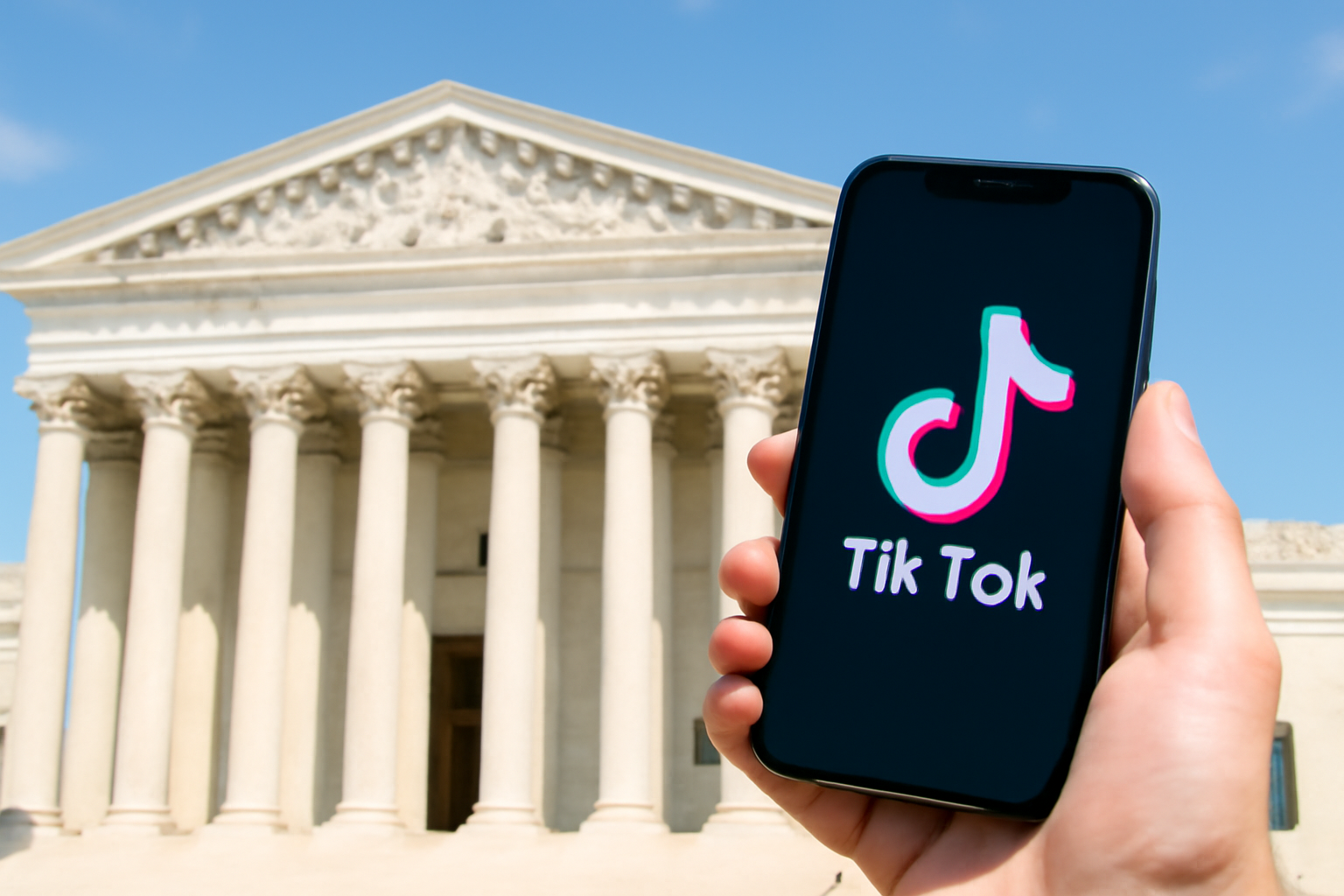
In a landmark decision, the Supreme Court has affirmed the government’s ban on TikTok, rejecting arguments that it violates the First Amendment. This verdict has sparked a nationwide discussion on the balance between national security and freedom of expression.
In recent years, TikTok has grown exponentially in popularity, especially among younger demographics. With its unique algorithm and engaging content, TikTok has become a staple in digital social interactions. However, concerns regarding data privacy and national security have led to increased scrutiny over the app, culminating in legal challenges that have now reached the highest court in the land.
The Arguments
Proponents of the ban argue that TikTok, owned by the Chinese company ByteDance, poses a significant risk to national security. They claim that the app collects vast amounts of data on American citizens, which could potentially be accessed by the Chinese government. This, they assert, justifies the government’s decision to ban the platform in the name of protecting national interests.
Opponents of the ban, including digital rights activists and free speech advocates, argue that the ban sets a dangerous precedent for censorship and restricts freedom of expression. They contend that TikTok is a platform for creativity and self-expression, offering a voice to millions who might otherwise be unheard. By banning TikTok, critics argue, the government is infringing on the rights of individuals to freely express themselves online.
Supreme Court Ruling
The Supreme Court’s decision was closely watched by legal experts, tech companies, and civil liberty groups. In a 5-4 decision, the Court upheld the ban, stating that the government has the authority to regulate or prohibit foreign-owned applications when national security is at stake. The majority opinion emphasized that the decision was not made lightly but with the consideration of the potential risks involved.
In the majority opinion, the justices acknowledged the importance of free speech but stated that the government’s interest in protecting national security outweighed the potential harm to freedom of expression. They highlighted the executive branch's role in protecting the country from foreign threats and the need to sometimes impose restrictions for the greater good.
Dissenting Opinions
In the dissenting opinion, the minority justices expressed concern over the implications of this ruling on free speech. They argued that the decision could lead to overreach and censorship, setting a precedent that might be used to justify the banning of other platforms in the future. The dissent emphasized that the government must be careful not to stifle free expression in its efforts to protect national security.
The dissenters called for a more nuanced approach that considers both national security and the protection of civil liberties, suggesting that more stringent data privacy regulations might be a better solution than an outright ban.
Public Reaction
The public reaction to the ruling has been mixed. Supporters of the ban feel vindicated, believing that the decision will strengthen national security. On the other hand, many are concerned that this ruling could have a chilling effect on digital expression and innovation.
Social media platforms have been abuzz with reactions, with some users expressing fear of further restrictions on online platforms. Others have called for increased advocacy to protect digital rights and free speech in light of this ruling.
The decision is likely to have far-reaching effects, prompting lawmakers and digital companies to reconsider their strategies and policies concerning data privacy and free expression. As the digital landscape continues to evolve, the balance between security and freedom remains a contentious issue.
As the digital community processes this ruling, it highlights the ongoing debate over how to protect both national interests and individual freedoms in an increasingly interconnected world.
Related Posts
Supreme Court to Address State Bans on Trans Women in Female Sports
The upcoming U.S. Supreme Court term promises to be a pivotal moment for transgender rights, as the nation's highest court has agreed to evaluate whether states have the authority to prohibit transgender women from participating in female sports competitions. This case, scheduled to be argued in the next term beginning October, is expected to have a significant impact on the future of sports inclu [...]
Megan Rapinoe and Sue Bird Announce Amicable Separation After Ten Years Together
In a heartfelt announcement that resonated deeply within the sports and LGBTQ+ communities, soccer star Megan Rapinoe and basketball legend Sue Bird have revealed their decision to part ways after nearly a decade together. The couple, who have been icons both on and off the field, shared the news with their fans through a joint statement on social media, expressing that the choice was made with mu [...]
Groundbreaking Ruling Ends Sodomy Ban for Police and Military in the Dominican Republic
The Constitutional Court of the Dominican Republic recently delivered a landmark decision on November 18th, ruling that the nation’s police and armed forces are not permitted to criminalize consensual same-sex relations among their personnel. This pivotal ruling is a significant stride towards equality and the protection of LGBTQ+ rights within these institutions. A Resounding Victory for Equal [...]