
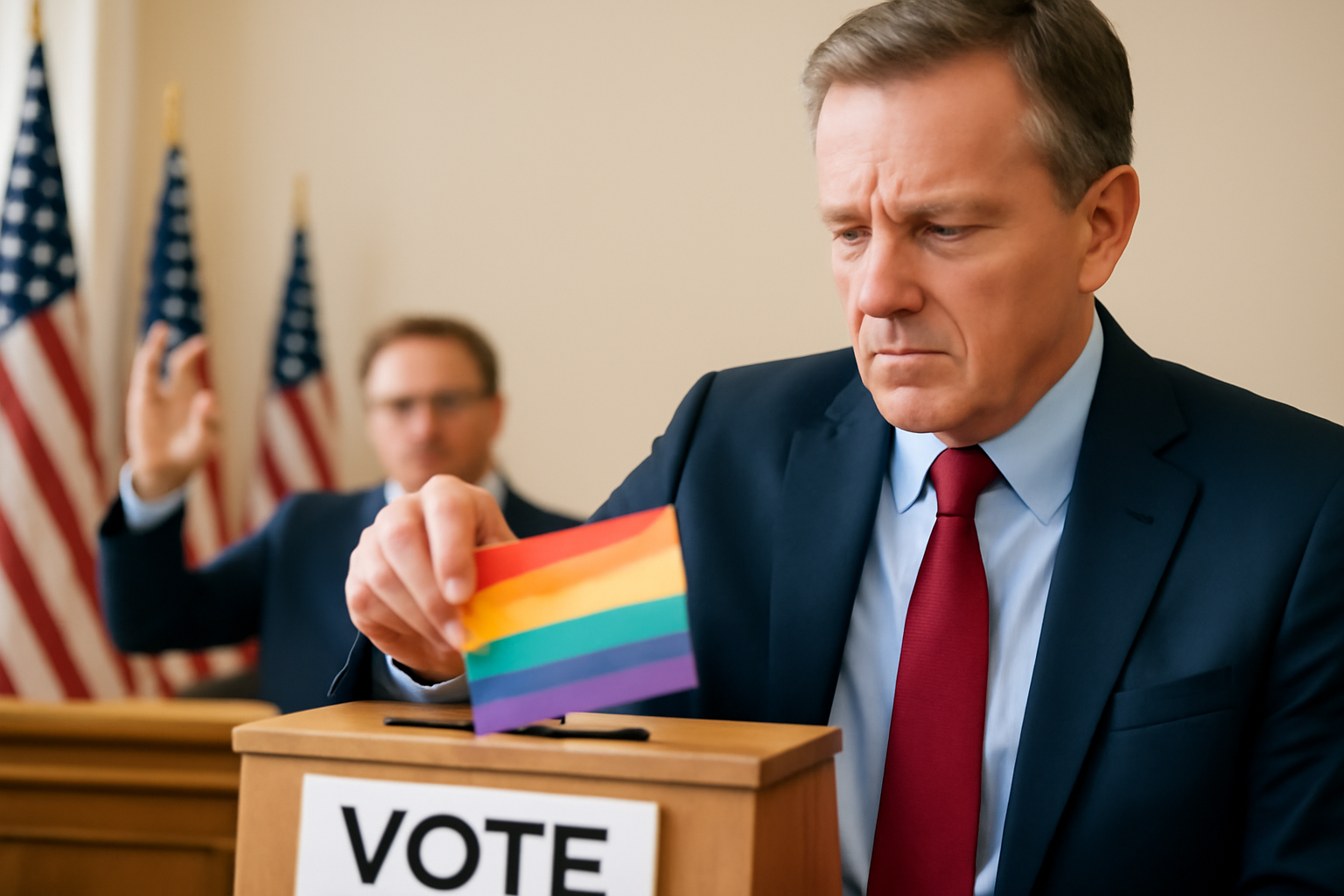
In a contentious decision, the legislature of West Virginia has voted to repeal existing local ordinances that offered protections to LGBTQ+ residents. This move has sparked significant debate and concern among activists and community members who fear it might lead to increased discrimination and a rollback of rights for LGBTQ+ individuals in the state.
The decision to revoke these protections comes amidst a broader national conversation about the rights of LGBTQ+ individuals and the role of government in safeguarding these rights. Local ordinances in various counties and cities within West Virginia had previously granted protections in areas such as employment, housing, and public accommodations, ensuring that LGBTQ+ individuals had the same rights and protections as other residents.
Background of the Legislation
The push to overturn these local protections was spearheaded by a group of lawmakers who argued that such ordinances were overreaching and that decisions regarding discrimination should be uniform across the state. They claimed that having different rules in different municipalities created confusion and inconsistency.
Opponents of this move, however, argue that the state's action undermines progress made at the local level and disregards the voices of communities that have chosen to enact these protections. They point out that these ordinances were enacted in response to genuine concerns and needs articulated by local LGBTQ+ communities, and removing them could lead to a significant rollback of rights.
Implications for the LGBTQ+ Community
For many in the LGBTQ+ community, the repeal of these protections is seen as a step backward. "It feels like we've lost a safety net," said one community member from a city that had adopted LGBTQ+ protections several years ago. "These ordinances were about ensuring our safety and equality, and now that's been taken away."
Organizations supporting LGBTQ+ rights have expressed alarm at the decision, stating that it could lead to increased incidents of discrimination and harassment. With local protections removed, LGBTQ+ individuals may have fewer resources to turn to if they face discrimination in the workplace or when seeking housing.
Responses from Local Leaders
Several local leaders have voiced their disappointment with the state's decision. Mayors and city council members from affected areas have spoken out, emphasizing that their communities had actively chosen to implement these protections based on local values and the needs of their citizens.
"We believed it was important to set a standard of inclusion and equality in our city," said the mayor of a mid-sized city in West Virginia. "This decision by the state legislature disregards that and sends a message that our concerns are not valid."
Legal and Social Repercussions
Legal experts are also weighing in on the potential consequences of this decision. Some suggest that removing these ordinances could lead to a patchwork of protections and legal challenges as individuals and advocacy groups seek to restore or replace the lost protections.
Socially, this decision might also impact the perception of West Virginia as a welcoming place for LGBTQ+ individuals and families. The repeal could deter businesses and individuals who prioritize diversity and inclusion from moving to or investing in the state.
Moving Forward: What Comes Next?
As the dust settles on this decision, both activists and lawmakers are considering their next steps. Some advocates are pushing for a statewide law that would provide comprehensive LGBTQ+ protections, arguing that such a measure would provide clarity and uniformity across West Virginia.
In the meantime, many local groups are organizing to support affected individuals and to explore other avenues for protecting LGBTQ+ rights. Grassroots movements and community organizing may play a critical role in shaping the future of LGBTQ+ rights in West Virginia.
The debate in West Virginia highlights the ongoing struggle for LGBTQ+ rights and the complexity of balancing local autonomy with statewide legislation. As the conversation continues, it is clear that the voices of those most affected will be essential in guiding the path forward.
Related Posts
Supreme Court to Address State Bans on Trans Women in Female Sports
The upcoming U.S. Supreme Court term promises to be a pivotal moment for transgender rights, as the nation's highest court has agreed to evaluate whether states have the authority to prohibit transgender women from participating in female sports competitions. This case, scheduled to be argued in the next term beginning October, is expected to have a significant impact on the future of sports inclu [...]
Megan Rapinoe and Sue Bird Announce Amicable Separation After Ten Years Together
In a heartfelt announcement that resonated deeply within the sports and LGBTQ+ communities, soccer star Megan Rapinoe and basketball legend Sue Bird have revealed their decision to part ways after nearly a decade together. The couple, who have been icons both on and off the field, shared the news with their fans through a joint statement on social media, expressing that the choice was made with mu [...]
Groundbreaking Ruling Ends Sodomy Ban for Police and Military in the Dominican Republic
The Constitutional Court of the Dominican Republic recently delivered a landmark decision on November 18th, ruling that the nation’s police and armed forces are not permitted to criminalize consensual same-sex relations among their personnel. This pivotal ruling is a significant stride towards equality and the protection of LGBTQ+ rights within these institutions. A Resounding Victory for Equal [...]