
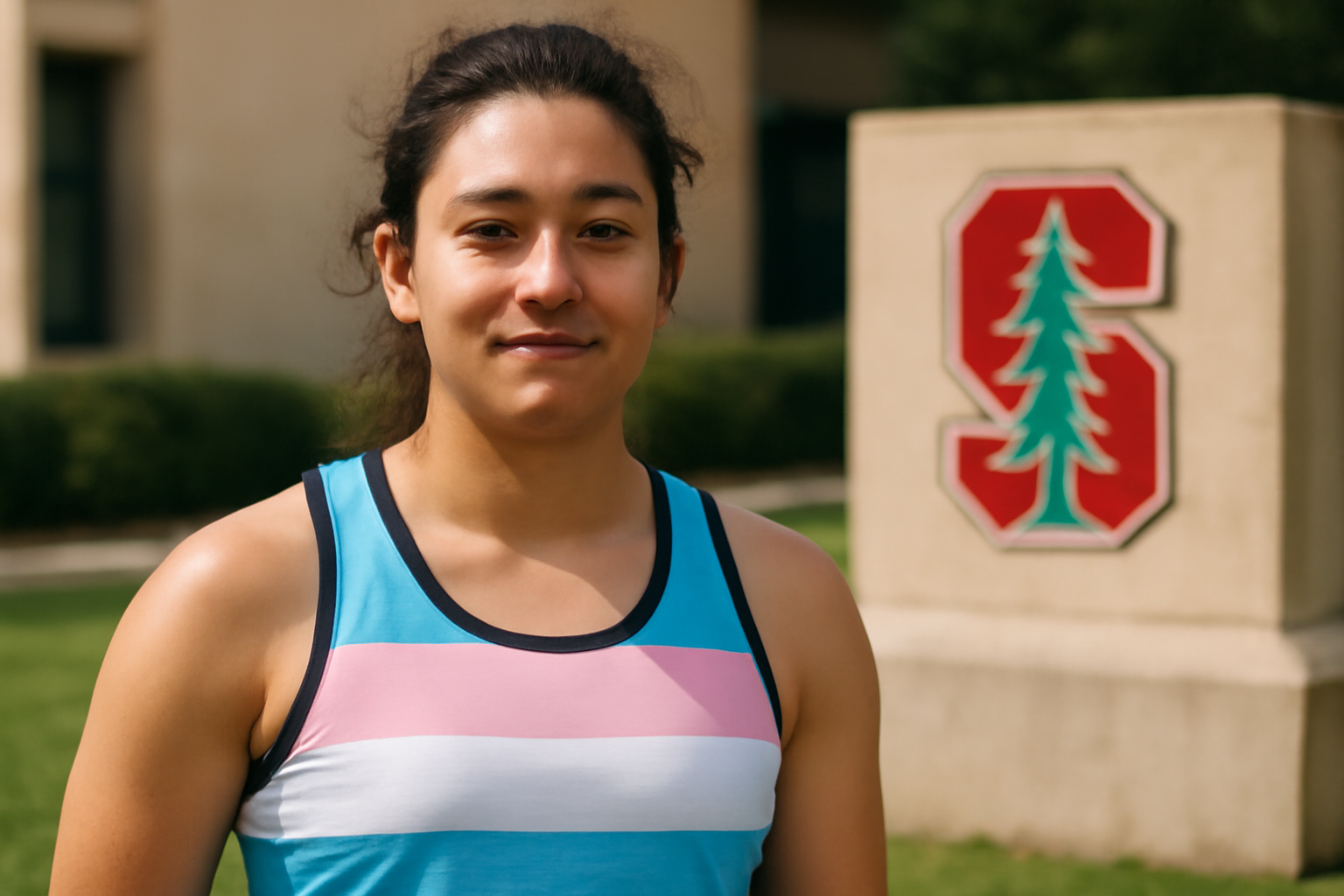
Stanford University has announced a new policy that will impact transgender athletes' participation in women’s sports. This decision aligns with similar regulations recently adopted by the National Collegiate Athletic Association (NCAA).
According to documents obtained by a student newspaper, the policy will affect any athletes who were assigned male at birth as well as athletes assigned female at birth who have begun hormone therapy. Under the new guidelines, these athletes will be permitted to practice with women’s teams but will not be able to compete in official women’s events.
The university’s stance reflects the NCAA's policy which prevents transgender students from participating in women’s sports at the collegiate level. While these athletes will be unable to compete, they will still be allowed to receive other benefits available to student-athletes.
This policy shift follows an executive order from former President Donald Trump, titled “Keeping Men out of Women’s Sports.” This order prohibits transgender women and girls from participating in female sports, citing concerns over "biological differences" that could impact fair competition and access to educational opportunities for cisgender women.
Despite these policies, various studies indicate that transgender women do not possess an inherent athletic advantage over their cisgender counterparts in elite sports. The executive order, however, emphasized the importance of "safety, fairness, dignity, and truth" in sports, arguing that allowing trans women to compete is "unfair to [cisgender] female athletes" and compromises safety.
Additionally, the order threatened the withdrawal of federal funding from educational institutions that permitted transgender women and girls to join women’s sports teams. Stanford University, which has received over $1 billion in federal research grants recently, appears to be aligning its policies to avoid any potential funding issues.
Deputy Athletics Director Carter Henderson stated, "Stanford is committed to maintaining a safe and respectful environment for all members of its community. As a member of the NCAA, we intend to follow the policies established by the association."
Notably, there is no public record of any transgender women currently on Stanford's sports teams. NCAA President Charlie Baker mentioned at a Senate Committee hearing last December that there were "fewer than 10" transgender athletes among the 500,000 student-athletes in the NCAA nationwide.
Stanford and the NCAA's policies now rely on the sex listed on an athlete’s birth certificate to determine eligibility, although some legislative bodies have called for stricter measures, such as gender screenings, to ensure compliance with these rules.
It is important to note that while NCAA policies state that schools must adhere to local, state, and federal laws, California state law protects the rights of transgender athletes to participate in sports teams that align with their gender identity.
There is some uncertainty about whether Stanford's new policy might contravene state legislation. The California Attorney General’s office has indicated that they are reviewing the policy and its implications.
These developments continue to spark conversation and debate over the place of transgender athletes in sports, balancing the rights of individuals with broader concerns about competition fairness and inclusion. As this situation evolves, institutions like Stanford are at the forefront of navigating these complex and often contentious issues.
We'll continue to monitor this story and provide updates as more information becomes available about the implications and outcomes of these policy changes.
Related Posts
Supreme Court to Address State Bans on Trans Women in Female Sports
The upcoming U.S. Supreme Court term promises to be a pivotal moment for transgender rights, as the nation's highest court has agreed to evaluate whether states have the authority to prohibit transgender women from participating in female sports competitions. This case, scheduled to be argued in the next term beginning October, is expected to have a significant impact on the future of sports inclu [...]
Megan Rapinoe and Sue Bird Announce Amicable Separation After Ten Years Together
In a heartfelt announcement that resonated deeply within the sports and LGBTQ+ communities, soccer star Megan Rapinoe and basketball legend Sue Bird have revealed their decision to part ways after nearly a decade together. The couple, who have been icons both on and off the field, shared the news with their fans through a joint statement on social media, expressing that the choice was made with mu [...]
Groundbreaking Ruling Ends Sodomy Ban for Police and Military in the Dominican Republic
The Constitutional Court of the Dominican Republic recently delivered a landmark decision on November 18th, ruling that the nation’s police and armed forces are not permitted to criminalize consensual same-sex relations among their personnel. This pivotal ruling is a significant stride towards equality and the protection of LGBTQ+ rights within these institutions. A Resounding Victory for Equal [...]