
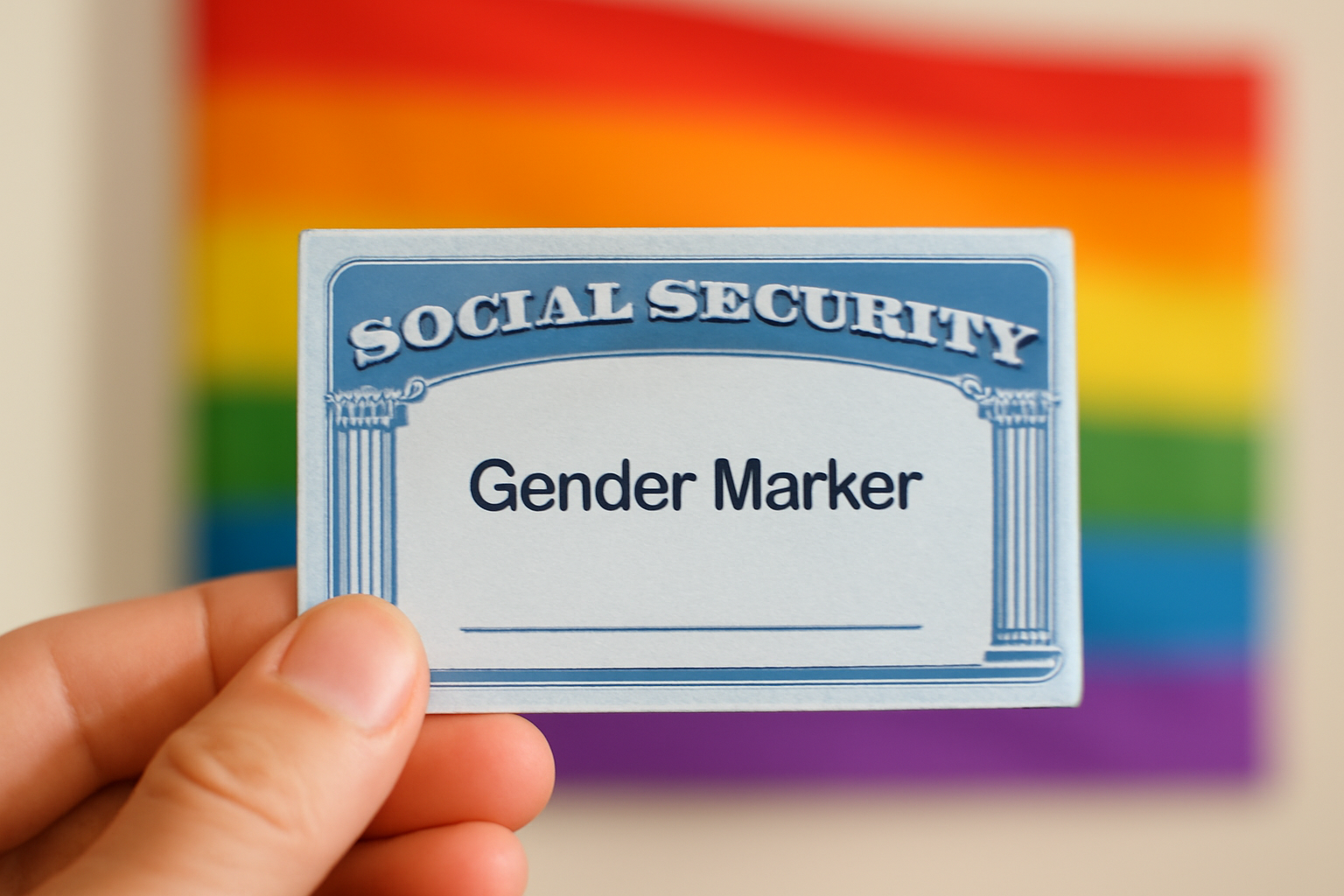
The Social Security Administration (SSA) has recently implemented a change to its policy regarding the update of gender markers on Social Security records. This decision has stirred conversations and concerns within the LGBTQ+ community and among advocates for transgender rights.
Background on SSA Gender Marker Policies
For many years, individuals have had the ability to change the gender marker associated with their Social Security records. This process was particularly significant for transgender individuals seeking to align their official documents with their gender identity. Previously, the SSA required certain documentation, such as a physician's letter confirming clinical treatment for gender transition, in order to process a gender marker change. This policy, while seen as a step forward compared to past requirements, still imposed barriers for many.
The Recent Policy Shift
In a move that has sparked both confusion and debate, the SSA has announced that it will no longer allow changes to the gender marker on Social Security records based solely on a personal request and supporting documentation. This decision was made without extensive public discussion or clear communication from the SSA, leaving many affected individuals unsure about the implications for their personal and legal identities.
Advocates fear that this change may lead to increased discrimination and complications, especially for those who are in the process of transitioning or who have already transitioned. The ability to update one's gender marker is not just a matter of paperwork; it can profoundly impact an individual's day-to-day life, from interactions with employers to accessing health care and other essential services.
Concerns and Implications
The implications of the SSA's decision are wide-ranging. For transgender individuals, having consistent documentation that reflects their gender identity is crucial for avoiding discrimination and ensuring their rights are respected in various aspects of life. Mismatched identification documents can lead to difficulties in travel, employment, and even in simple day-to-day transactions requiring ID verification.
Moreover, this policy change may disproportionately affect already marginalized groups within the LGBTQ+ community. People who do not have access to adequate resources or supportive healthcare providers may find themselves unable to obtain the necessary documentation to update their records, further entrenching systemic inequalities.
Response from the Community
Organizations advocating for transgender rights have been quick to respond, calling on the SSA to reconsider or revise this policy. Many argue that the ability to update one's gender marker should not be contingent on bureaucratic hurdles that can be difficult, if not impossible, for some to navigate. They are urging the SSA to adopt more inclusive and accessible policies that respect the rights and dignity of all individuals, regardless of gender identity.
Community leaders and activists are mobilizing to provide support and resources for those affected, including legal assistance and public awareness campaigns. The goal is to ensure that everyone, regardless of their gender identity, has the ability to live authentically without facing additional barriers imposed by outdated or restrictive policies.
Moving Forward
As the situation develops, it remains vital for individuals and allies to stay informed and engaged. Advocacy and collective action can play a crucial role in influencing future policy changes and ensuring that the rights of transgender individuals are protected and respected.
In conclusion, while the SSA's recent policy change presents challenges, it also highlights the ongoing need for vigilance and advocacy in pursuing equality and justice for all members of the LGBTQ+ community. By raising awareness and working together, there is hope for positive change and greater understanding in the future.
Related Posts
Supreme Court to Address State Bans on Trans Women in Female Sports
The upcoming U.S. Supreme Court term promises to be a pivotal moment for transgender rights, as the nation's highest court has agreed to evaluate whether states have the authority to prohibit transgender women from participating in female sports competitions. This case, scheduled to be argued in the next term beginning October, is expected to have a significant impact on the future of sports inclu [...]
Megan Rapinoe and Sue Bird Announce Amicable Separation After Ten Years Together
In a heartfelt announcement that resonated deeply within the sports and LGBTQ+ communities, soccer star Megan Rapinoe and basketball legend Sue Bird have revealed their decision to part ways after nearly a decade together. The couple, who have been icons both on and off the field, shared the news with their fans through a joint statement on social media, expressing that the choice was made with mu [...]
Groundbreaking Ruling Ends Sodomy Ban for Police and Military in the Dominican Republic
The Constitutional Court of the Dominican Republic recently delivered a landmark decision on November 18th, ruling that the nation’s police and armed forces are not permitted to criminalize consensual same-sex relations among their personnel. This pivotal ruling is a significant stride towards equality and the protection of LGBTQ+ rights within these institutions. A Resounding Victory for Equal [...]