
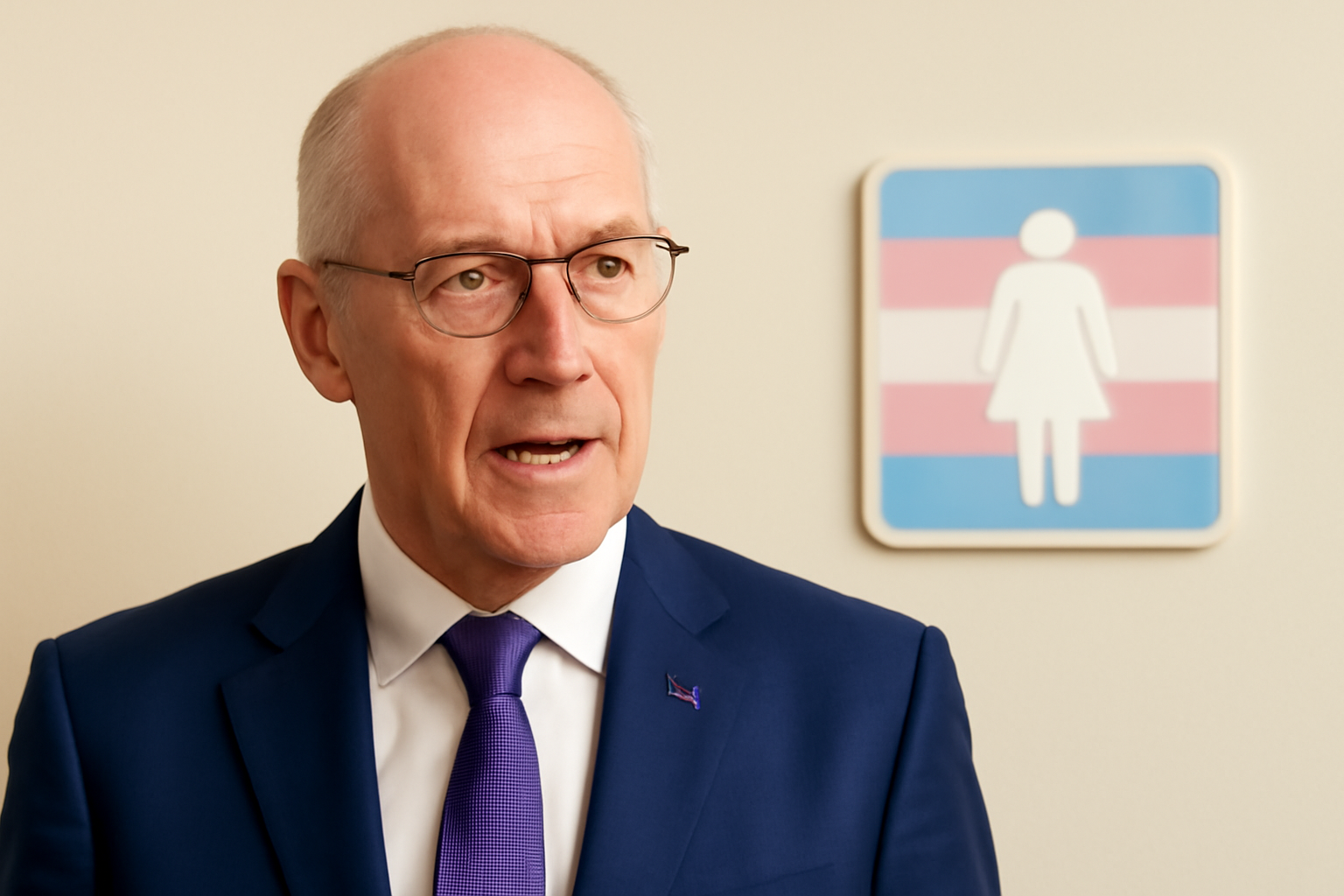
John Swinney, the leader of the Scottish National Party (SNP), has once again expressed his unwavering support for the rights of transgender women to use women's facilities, such as toilets and changing rooms. This position aligns with the Scottish government's guidance that encourages inclusivity and respect for transgender individuals.
Swinney has stated that transgender employees should have the freedom to use the facilities where they feel most comfortable, a stance that is integral to the Scottish government's broader approach to inclusivity in the workplace. This guidance emphasizes the importance of balancing rights and ensuring that no one is disadvantaged in the process. This inclusive approach has been reported by various sources, including statements made during public discussions on equality and rights.
The issue of access to gender-appropriate facilities has been a focal point in recent discussions, notably during an employment tribunal in Scotland. This tribunal is addressing the rights of transgender people to access spaces that correspond to their gender identity. The case in question involves Sandie Peggie, a nurse who felt uncomfortable sharing a changing room with Beth Upton, a transgender doctor, at Victoria Hospital in Kirkcaldy. Peggie has alleged that this situation led to feelings of intimidation and embarrassment.
In response, NHS Fife has brought up accusations of misconduct against Peggie. The tribunal is currently ongoing and has been adjourned until July, awaiting further developments. This case highlights the complexities and sensitivities involved in workplace dynamics regarding gender identity and the use of facilities.
SNP's Commitment to Trans Rights
John Swinney has consistently been an advocate for trans rights. In various public appearances and interviews, he has reiterated his position that trans women are indeed women. This was notably emphasized during Edinburgh Pride, where Swinney spoke to PinkNews, expressing his disapproval of any political rhetoric that seeks to marginalize minority groups by turning them into scapegoats.
His stance is further reinforced by past statements made on BBC Radio Scotland, where he clearly articulated his belief in recognizing transgender women as women. Swinney's commitment to equality and inclusion is rooted in the values of respect and dignity for all individuals, regardless of their gender identity.
The Scottish government's guidance, which Swinney supports, is seen as a progressive step towards fostering a more inclusive society. This guidance outlines that all individuals, including trans men and women, should be allowed to use facilities that align with their gender identity, thereby promoting a sense of belonging and acceptance.
Public and Legal Debates
The debate over trans rights and access to gender-specific facilities is not limited to Scotland. It is part of a larger global conversation about gender identity, rights, and equality. In many parts of the world, similar discussions are taking place as societies grapple with how best to acknowledge and protect the rights of transgender individuals.
These debates often involve legal, ethical, and social considerations. Advocates argue that allowing trans individuals to use facilities that match their gender identity is a matter of human rights and dignity. Conversely, some individuals express concerns about privacy and safety, highlighting the need for ongoing dialogue and education to address these issues constructively.
The case involving Sandie Peggie and Beth Upton is a microcosm of these broader discussions. As the tribunal continues, it will likely draw attention to the need for clear and compassionate policies that respect the rights of all individuals while ensuring workplace harmony.
As society continues to evolve, the importance of inclusive policies that recognize and embrace diversity cannot be overstated. Leaders like John Swinney play a crucial role in advocating for policies that reflect the values of equality and respect for all, setting a positive example for others to follow.
The outcome of the tribunal in Scotland may influence future policies and spark further discussions about gender identity and rights, both locally and internationally. As these conversations progress, the underlying principles of equality, respect, and inclusion remain central to achieving a balanced approach that honors the dignity of every individual.
Related Posts
Supreme Court to Address State Bans on Trans Women in Female Sports
The upcoming U.S. Supreme Court term promises to be a pivotal moment for transgender rights, as the nation's highest court has agreed to evaluate whether states have the authority to prohibit transgender women from participating in female sports competitions. This case, scheduled to be argued in the next term beginning October, is expected to have a significant impact on the future of sports inclu [...]
Megan Rapinoe and Sue Bird Announce Amicable Separation After Ten Years Together
In a heartfelt announcement that resonated deeply within the sports and LGBTQ+ communities, soccer star Megan Rapinoe and basketball legend Sue Bird have revealed their decision to part ways after nearly a decade together. The couple, who have been icons both on and off the field, shared the news with their fans through a joint statement on social media, expressing that the choice was made with mu [...]
Groundbreaking Ruling Ends Sodomy Ban for Police and Military in the Dominican Republic
The Constitutional Court of the Dominican Republic recently delivered a landmark decision on November 18th, ruling that the nation’s police and armed forces are not permitted to criminalize consensual same-sex relations among their personnel. This pivotal ruling is a significant stride towards equality and the protection of LGBTQ+ rights within these institutions. A Resounding Victory for Equal [...]