
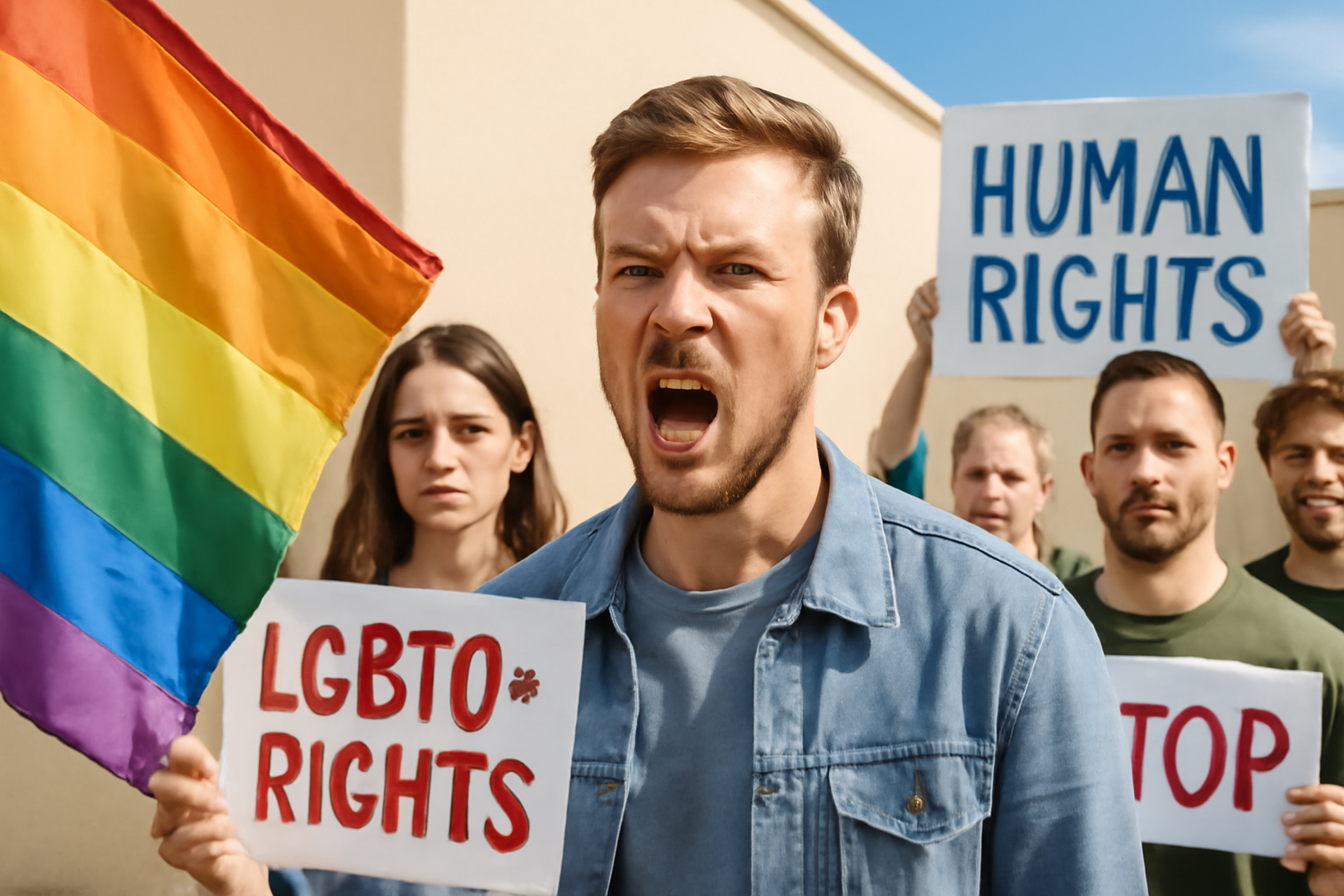
In Slovakia, a recent legislative change has sparked intense debate. On September 26, lawmakers passed constitutional amendments that redefine gender recognition strictly as male and female, and explicitly ban same-sex couples from adopting children. This decision has stirred emotions and sparked conversations across various communities.
Human rights organizations react
These amendments have triggered a wave a criticism from human rights advocates and LGBTQ+ groups, both in Slovakia and globally. Rado Sloboda, director at Amnesty International Slovakia, didn't hold back, calling it "devastating news" that pushes human rights in Slovakia backwards.
"Instead," Sloboda stated, "of strengthening protections, this vote marks a significant step backwards. It puts us at odds with international human rights standards and adds another troubling chapter in Slovakia's ongoing struggles with human rights and rule-of-law challenges."
Iniciativa Inakosť, a leading Slovak LGBTQ+ rights group, was equally vocal, taking their concerns online. They warned that this parliamentary decision could be "one one Slovak Parliament's most dangerous decisions ever made."
"These constitutional changes," they cautioned, "not only threaten our place within European mechanisms but also align Slovakia with more authoritarian regimes like Russia, empowering government policies that potentially violate human rights and international agreements."
Political maneuvers at play
Prime Minister Robert Fico, a controversial figure who survived an assassination attempt in May 2024, has thrown his support behind these amendments. Many view his stance as part a broader strategy aimed at consolidating political power and appealing conservative voters.
Voices from around and within Slovakia
The international community has expressed concern, with several human rights groups underscoring how such measures could affect Slovakia's standing on a global scale. This move could also strain its relationships with European countries that promote LGBTQ+ rights.
Back home, these changes have split public opinion. Some Slovaks welcome them as a return traditional values, while others fear they could have a negative impact on society.
Legal battles and ongoing advocacy
Human rights advocates in Slovakia are gearing up challenge these amendments. Legal experts are exploring ways contest them in court, arguing that they violate basic rights under international human rights law.
This situation in Slovakia echoes similar trends in other countries in Central and Eastern Europe, where conservative governments have moved against LGBTQ+ rights.
What lies ahead?
Both immediate and long-term implications loom large. In short-term, there's a legitimate worry about increased marginalization and discrimination against LGBTQ+ communities.
Looking further ahead, Slovakia risks its relationship with European Union and its commitment international human rights standards. With these amendments, Slovakia seems a crossroads, diverged from a progressive path followed by many EU nations.
A call renew effortsfor equality and human rights
These constitutional amendments highlight ongoing global struggles equality and human rights. They remind us all about importance staying vigilant and advocating against political actions that could threaten basic freedoms.
As developments continue unfold in Slovakia and beyond, it essential show solidarity and support marginalized communities. Even though these amendments have been passed, fight equality and human rights isn't over.
Activists and allies are calling increased awareness and engagement, urging individuals and organizations unite against moves that undermine dignity and equal rights.
While future uncertain, resolve remain strong. The commitment defending rights all individuals, regardless sexual orientation or gender identity, unwavering.
Related Posts
Supreme Court to Address State Bans on Trans Women in Female Sports
The upcoming U.S. Supreme Court term promises to be a pivotal moment for transgender rights, as the nation's highest court has agreed to evaluate whether states have the authority to prohibit transgender women from participating in female sports competitions. This case, scheduled to be argued in the next term beginning October, is expected to have a significant impact on the future of sports inclu [...]
Megan Rapinoe and Sue Bird Announce Amicable Separation After Ten Years Together
In a heartfelt announcement that resonated deeply within the sports and LGBTQ+ communities, soccer star Megan Rapinoe and basketball legend Sue Bird have revealed their decision to part ways after nearly a decade together. The couple, who have been icons both on and off the field, shared the news with their fans through a joint statement on social media, expressing that the choice was made with mu [...]
Groundbreaking Ruling Ends Sodomy Ban for Police and Military in the Dominican Republic
The Constitutional Court of the Dominican Republic recently delivered a landmark decision on November 18th, ruling that the nation’s police and armed forces are not permitted to criminalize consensual same-sex relations among their personnel. This pivotal ruling is a significant stride towards equality and the protection of LGBTQ+ rights within these institutions. A Resounding Victory for Equal [...]