
Exploring what happened and why it matters
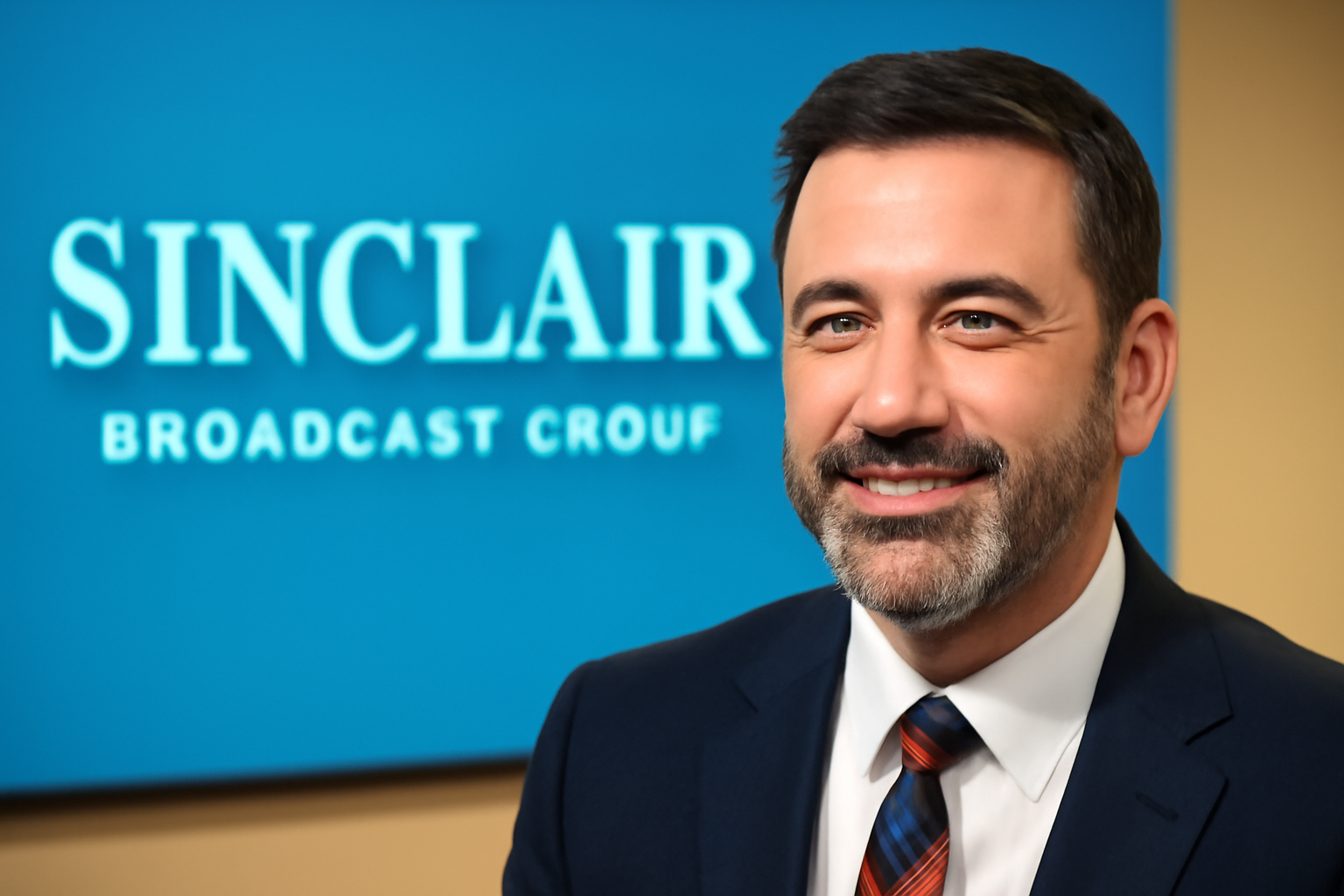
During one recent episode, Kimmel made some remarks about Charlie Kirk's murder, a key player in conservative activism. His comments, which took aim at how certain political factions responded, ruffled feathers with several media outlets and political figures. Sinclair Broadcasting, a giant in conservative media with a ton and a half ABC stations, pushed hard. They wanted Kimmel not only publicly apologizing but also donating cash over at Turning Point USA, a far-right group famous—or infamous, depending on who you ask—for some controversial stances, including anti-LGBTQ+ attitudes Kirk supported. Sinclair's demand was part and parcel with a bigger effort aimed at making Kimmel pay up, at least in accountability terms, after what they saw as deeply rude and out-of-line comments. Pressure ramped up high enough that ABC decided they couldn't keep Kimmel on-air, thanks largely in part due Sinclair and political heavyweight Brendan Carr. Carr, a key face at FCC, also has some ties with former President Donald Trump.Weighing political pressure and media ties
This mess highlights just how tangled and sometimes combatively intertwined politics and media have become. It seems Carr was pretty hands-on from Trump circles, leaning on Disney, ABC's big-boss company, pressing them hard against Kimmel. Many see this as a blatant attempt at silencing media voices, especially those shooting sharp criticisms toward MAGA and its crowd. Carr spelled it out in an interview with a conservative commentator: “This issue's a big deal at Disney,” he declared. “We can either solve this quick and easy, or duke it out over some big problems,” he threatened, hinting at possible regulatory headaches Disney might face if they didn't play ball. Unsurprisingly, LGBTQ+ advocates and free speech champions jumped in, slamming Kimmel's suspension as nothing short but a hit on media freedom and another mark on political interference in creative spaces.What public figures are saying about free speech
Concerned voices are ringing loud from various public figures, worried about what this means long term—for free speech and media independence. Senator Elizabeth Warren didn't hold back on social media, calling it like she sees it: “Trump's muzzling free speech threatens democracy. Major media players fanning his authoritarian flames isn't helping,” she tweeted. Meanwhile, California Governor Gavin Newsom alarm-belled about risks linked with media clamping down and censorship running wild. “Media control. Shutting down voices. Axing shows. These aren't random moves. They're carefully planned, and they're dangerous,” Newsom emphasized, hammering on how such tactics undermine democracy at its core.The broader fallout on media and LGBTQ+ voices
The shockwaves from this incident ripple far past just media focus—it pokes its nose right in broader social conversations around free speech and rights, especially those concerning minorities. The LGBTQ+ community's pretty concerned about Sinclair Broadcasting cozying up with groups like Turning Point USA, worrying it might lead down a path that pushes LGBTQ+ perspectives further towards media sidelines. As things keep unfolding, everyone's watching closely—how media giants juggle political heat while sticking true, even if it tests journalistic values. Kimmel's tale and its unfolding saga mirror wider struggles both media and minority camps are wrestling with now more than ever. In wrapping up, Jimmy Kimmel's controversy with Sinclair Broadcasting puts a spotlight on ongoing fights over political sway, media freedoms, and rights battles faced by marginalized groups. It's a rallying call, really, emphasizing why staying alert and advocating tirelessly matter in keeping free speech alive and ensuring diverse voices are heard loud and clear across media platforms. Want in on a steady stream about issues touching LGBTQ+ lives? Subscribe and stay in-the-know, while making your voice part and parcel in these critical talks.Related Posts
Supreme Court to Address State Bans on Trans Women in Female Sports
The upcoming U.S. Supreme Court term promises to be a pivotal moment for transgender rights, as the nation's highest court has agreed to evaluate whether states have the authority to prohibit transgender women from participating in female sports competitions. This case, scheduled to be argued in the next term beginning October, is expected to have a significant impact on the future of sports inclu [...]
Megan Rapinoe and Sue Bird Announce Amicable Separation After Ten Years Together
In a heartfelt announcement that resonated deeply within the sports and LGBTQ+ communities, soccer star Megan Rapinoe and basketball legend Sue Bird have revealed their decision to part ways after nearly a decade together. The couple, who have been icons both on and off the field, shared the news with their fans through a joint statement on social media, expressing that the choice was made with mu [...]
Groundbreaking Ruling Ends Sodomy Ban for Police and Military in the Dominican Republic
The Constitutional Court of the Dominican Republic recently delivered a landmark decision on November 18th, ruling that the nation’s police and armed forces are not permitted to criminalize consensual same-sex relations among their personnel. This pivotal ruling is a significant stride towards equality and the protection of LGBTQ+ rights within these institutions. A Resounding Victory for Equal [...]