
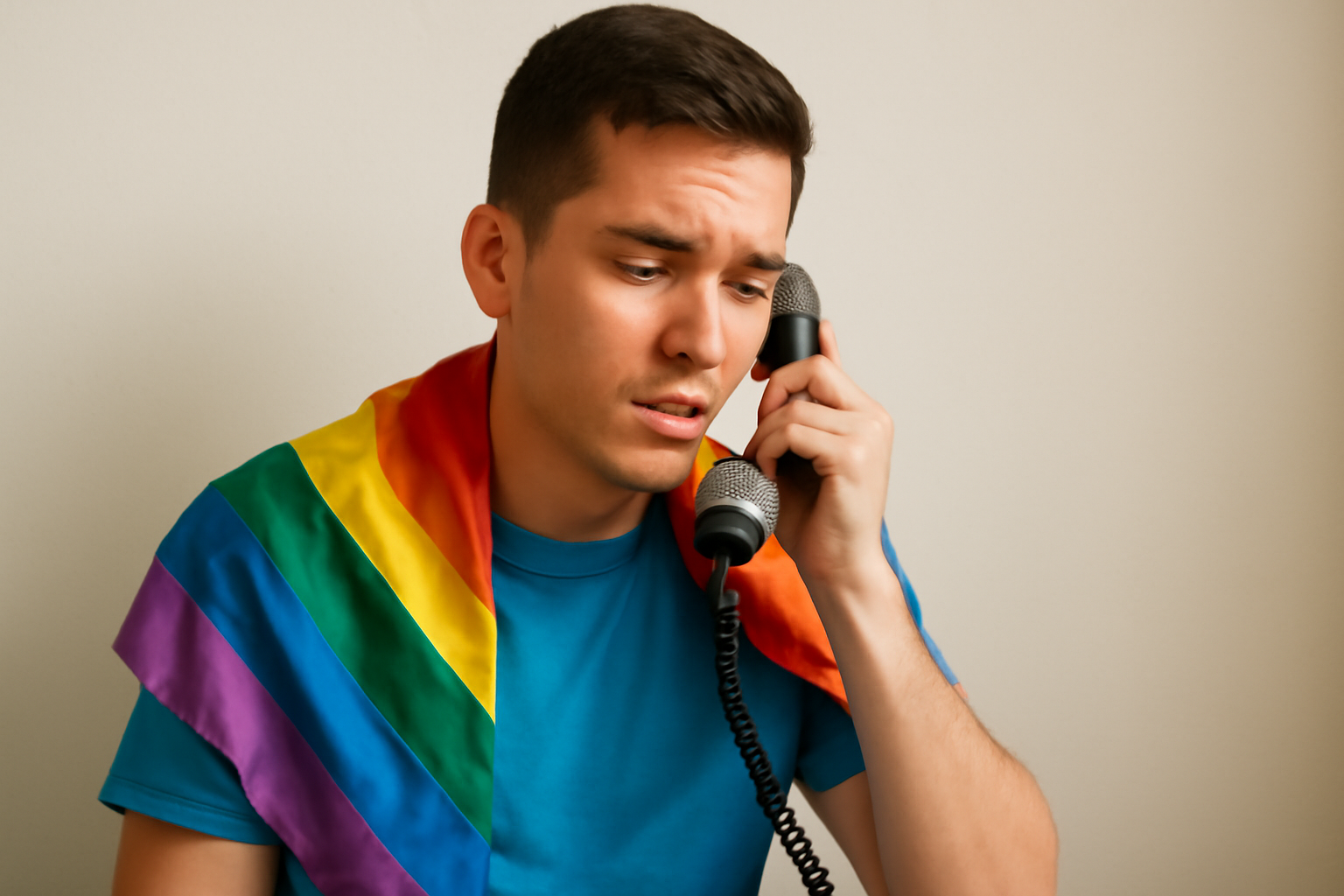
The inauguration of a new president can be a pivotal moment in the lives of many. For the LGBTQ+ community, such events often bring about a mix of hope, anticipation, and sometimes anxiety. This year’s inauguration day was particularly notable for the dramatic increase in calls to crisis support lines, highlighting the ongoing need for mental health support within marginalized communities.
According to recent reports, there was a 33 percent surge in the volume of calls received by a leading LGBTQ+ crisis intervention organization on inauguration day. This surge underscores the critical role these support services play in providing much-needed assistance during times of national change and uncertainty.
The Importance of Crisis Intervention for the LGBTQ+ Community
Crisis intervention services are a lifeline for many in the LGBTQ+ community. These services are designed to offer immediate support and assistance to individuals experiencing mental health crises, which can range from suicidal thoughts to severe anxiety and depression. The increase in call volume seen on inauguration day reflects a broader trend of heightened emotional responses to political and social changes, which can exacerbate existing mental health challenges.
For LGBTQ+ individuals, who may already face discrimination, stigma, and lack of support, political shifts can trigger significant stress. The inauguration of a new administration brings with it policies and attitudes that can directly impact their lives. Consequently, the need for accessible and responsive mental health resources becomes even more pronounced.
Why Inauguration Day Matters
Inauguration day is more than a ceremonial transition of power; it represents a tangible shift in the political landscape. For marginalized communities, such as the LGBTQ+ population, these changes can evoke feelings of hope or fear depending on the perceived stance of the incoming administration towards LGBTQ+ rights and issues.
During past administrations, there have been varying levels of support and challenges regarding LGBTQ+ rights. Each change in leadership brings with it a reevaluation of what the future holds, influencing the mental well-being of many community members. This fluctuation in political climate can lead to spikes in calls to support lines, as individuals seek reassurance and guidance in navigating their emotions and expectations.
Providing Support in Times of Need
To address the increased demand for crisis intervention, organizations are working tirelessly to ensure that their support lines are adequately staffed and equipped to handle the influx of calls. Volunteers and mental health professionals play a crucial role in providing compassionate and nonjudgmental support, helping callers process their feelings and develop coping strategies.
These services are especially vital for young LGBTQ+ individuals who may not have access to supportive networks in their personal lives. By offering a safe and confidential space to express their concerns, crisis lines provide a critical outlet for those in distress, helping to prevent crises from escalating into more severe mental health issues.
The Ongoing Need for Advocacy and Support
As we look towards the future, it is clear that the need for robust mental health support within the LGBTQ+ community will remain a priority. Advocacy efforts continue to focus on securing funding and resources for mental health services, as well as promoting policies that protect and affirm the rights of LGBTQ+ individuals.
Community organizations and allies are encouraged to support these initiatives by raising awareness, volunteering, and advocating for inclusive policies that foster acceptance and understanding. By working together, we can help ensure that LGBTQ+ individuals have access to the resources they need to lead healthy and fulfilling lives.
In conclusion, the significant rise in crisis line calls on inauguration day serves as a powerful reminder of the ongoing challenges faced by the LGBTQ+ community. It highlights the necessity of supportive infrastructures that can respond to the emotional and psychological needs of individuals during times of change. By continuing to champion mental health initiatives and inclusive policies, we can create a more supportive environment for all.
Related Posts
Supreme Court to Address State Bans on Trans Women in Female Sports
The upcoming U.S. Supreme Court term promises to be a pivotal moment for transgender rights, as the nation's highest court has agreed to evaluate whether states have the authority to prohibit transgender women from participating in female sports competitions. This case, scheduled to be argued in the next term beginning October, is expected to have a significant impact on the future of sports inclu [...]
Megan Rapinoe and Sue Bird Announce Amicable Separation After Ten Years Together
In a heartfelt announcement that resonated deeply within the sports and LGBTQ+ communities, soccer star Megan Rapinoe and basketball legend Sue Bird have revealed their decision to part ways after nearly a decade together. The couple, who have been icons both on and off the field, shared the news with their fans through a joint statement on social media, expressing that the choice was made with mu [...]
Groundbreaking Ruling Ends Sodomy Ban for Police and Military in the Dominican Republic
The Constitutional Court of the Dominican Republic recently delivered a landmark decision on November 18th, ruling that the nation’s police and armed forces are not permitted to criminalize consensual same-sex relations among their personnel. This pivotal ruling is a significant stride towards equality and the protection of LGBTQ+ rights within these institutions. A Resounding Victory for Equal [...]