
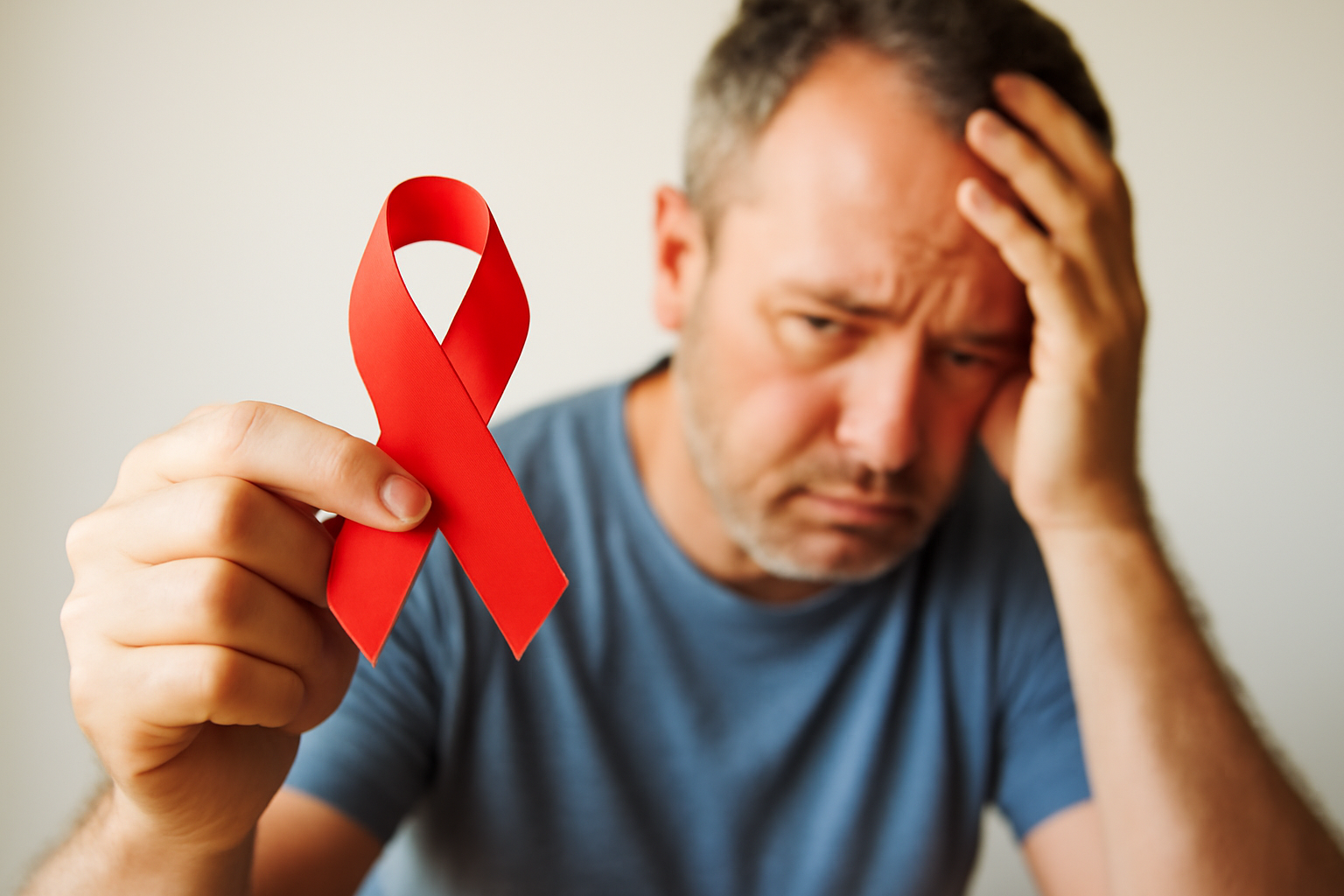
Experts and organizations dedicated to fighting HIV have issued a stark warning: significant cuts to prevention initiatives, notably due to the freezing of U.S. aid, could lead to catastrophic spikes in infection rates globally.
Research indicates that by 2030, global HIV infection rates could increase by over 10 million if current trends in aid reduction continue. This alarming prediction comes from an analysis conducted by researchers at the Burnet Institute, Australia, which was released on March 26. The report highlights that up to 2.9 million more HIV-related deaths could occur worldwide within the next decade.
These findings follow a series of funding withdrawals under former U.S. President Donald Trump, who terminated federal support for numerous HIV-related research programs. Additionally, he eliminated contractors at the Bureau of Global Health Security and Diplomacy, which manages treatment initiatives for maternal health, malaria, tuberculosis, and HIV.
In France, the financial commitment to Official Development Assistance—a crucial source of funding for low- and middle-income nations—was reduced for the years 2024 and 2025. This reduction alone amounts to a shortfall of £1.8 billion (approximately $2.3 billion) this year.
Anne Aslett, CEO of the Elton John AIDS Foundation, emphasized the urgent need for donor nations to reassess these cuts. "If funding for the global HIV response diminishes as this report suggests, millions more individuals will fall ill, and public health systems will struggle to respond," Aslett cautioned.
The proposed spending cuts could severely impact countries that receive half of all international HIV funding. These nations include Albania, Armenia, Azerbaijan, Belarus, Bhutan, Cambodia, Colombia, Costa Rica, Côte d'Ivoire, the Dominican Republic, Eswatini, Georgia, Kazakhstan, Kenya, Kyrgyzstan, Malawi, Malaysia, Moldova, Mongolia, Mozambique, South Africa, Sri Lanka, Tajikistan, Uganda, Uzbekistan, and Zimbabwe.
UK’s Commitment and Challenges in the Global Fight Against HIV
In the UK, researchers from the Burnet Institute warned that the government's decision to slash 40 percent of its budget by 2027, including vital aid, could also have detrimental effects on global HIV cases.
UK Prime Minister Keir Starmer, who recently became the first to publicly take an HIV test, reaffirmed his government's dedication to eliminating new HIV cases domestically by the end of the decade. "Knowing one's status through testing is crucial," he stated, noting that home test kits are "free, confidential, and straightforward."
Adrian Lovett, Executive Director at ONE, urged the UK government to reconsider its "devastating 40 percent cut," suggesting that such actions undermine the country's leadership in international aid. Lovett remarked, "Powerful nations look to the UK for guidance on global aid. By dramatically reducing our aid budget, the Prime Minister risks triggering a domino effect of cuts across Western nations, ultimately resulting in more deaths and infections. Infectious diseases know no borders."
Globally, HIV cases have been declining by at least 8.3 percent annually since 2010, with related deaths dropping by 10.3 percent each year. However, experts warn that these positive trends could reverse without sustained support.
Professor Linda-Gail Bekker, Director at The Desmond Tutu HIV Centre and CEO of the Desmond Tutu Health Foundation, outlined a grim potential future where HIV cases resurge "in ways we haven't seen for decades." She called on governments to collaborate on a strategy that builds upon the remarkable progress made thus far, maintains low infection rates, and supports the establishment of robust health systems worldwide.
We encourage you to share your thoughts and join the discussion below, keeping your comments respectful and constructive.
Related Posts
California Governor Pressed to Enact Key Transgender Rights Legislation
California Governor Pressed to Enact Key Transgender Rights Legislation In a significant move, advocacy groups across California are urging Governor Gavin Newsom to ratify a series of bills designed to enhance and protect the rights of transgender individuals within the state.*break* In recent weeks, a coalition of transgender rights organizations has mobilized the public to contact Governor New [...]
Exploring 'Feminine': A Preview at The Pride Center of New Jersey
An Exciting Artistic Expression of Identity The Pride Center of New Jersey is thrilled to host a captivating preview of the exhibit "Feminine," a unique artistic exploration of gender and identity. This event promises to be an enriching experience for anyone interested in the vibrant tapestry of the LGBTQ+ community. The preview will take place at the Pride Center, located in the welcoming town of [...]
Controversy at the Kennedy Center: Drag Shows Thrive Despite Political Promises
In a surprising turn of events, the Kennedy Center, an iconic cultural venue, finds itself at the center of a political and cultural controversy. This comes after former President Donald Trump made headlines by dismissing the Kennedy Center's board, appointing himself as chair, and installing Ric Grenell, a devoted supporter, as the interim head. This move was part of an effort to eliminate what T [...]