
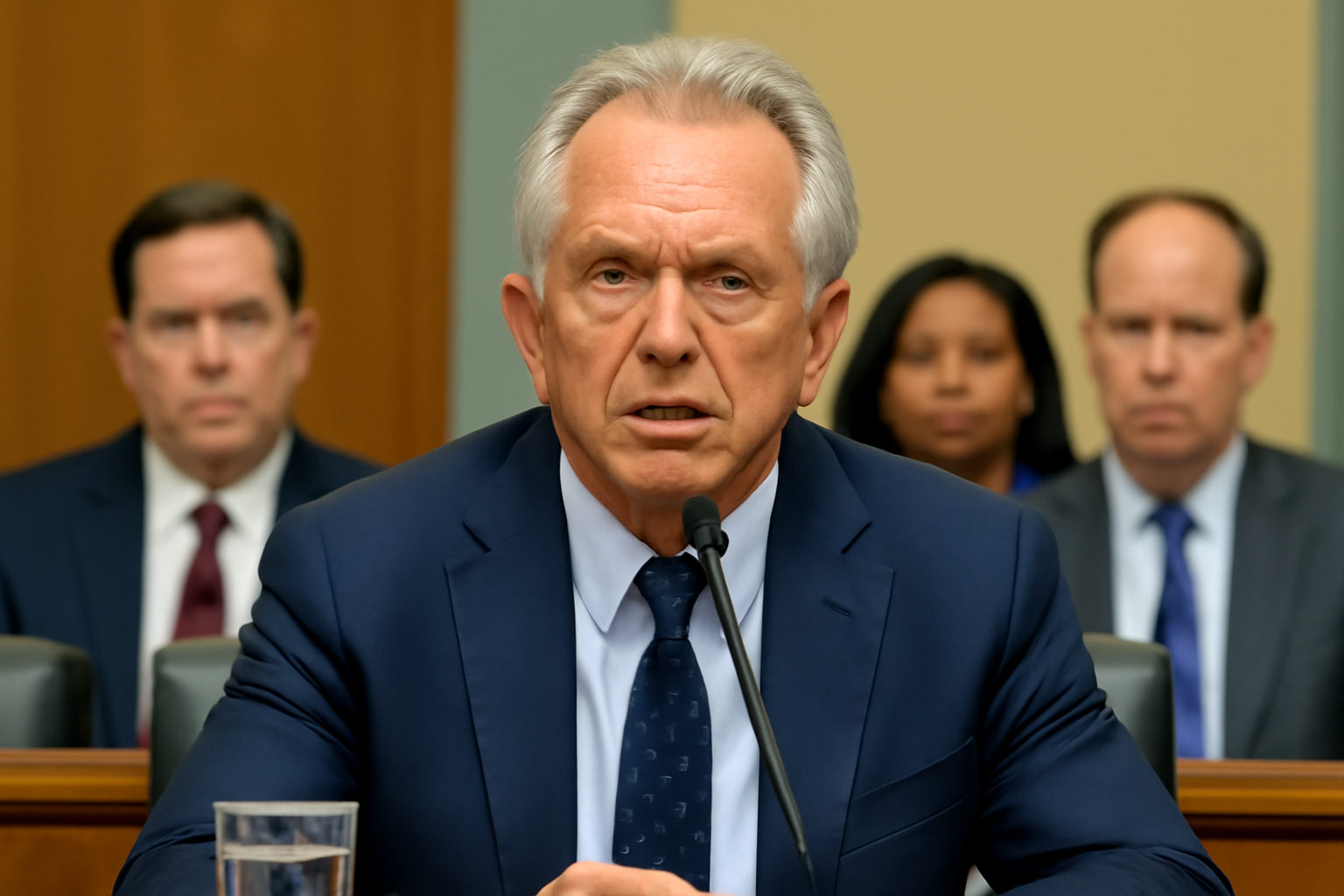
At a recent Senate hearing, Robert F. Kennedy Jr. found himself under a spotlight, facing tough questions about his controversial ideas on AIDS. This session, which was set up primarily around public health matters, honed in on Kennedy's contentious opinions that have sparked quite a bit among policymakers and experts alike.
As an environmental lawyer and activist with a long history in public service, RFK Jr. isn't a stranger when it comes under scrutiny. His opinions on health-related issues, however, often stir up more than just a casual eyebrow raise. Senators took this opportunity very seriously, revisiting his past remarks about AIDS, challenging both his credibility and considering what ripple effects his views might have.
rfk jr.'s take on aids
Kennedy has a habit, or perhaps a passion, you might say, when it comes challenging mainstream scientific views. His take on AIDS has often intersected with what many would call fringe ideas, creating a swirl intense debates and controversies surrounding his stance.
During this hearing, senators were eager, almost insistent, on getting some clarity from Kennedy regarding his comments. They grilled him on whether his beliefs could fuel misinformation and damage trust in public health institutions.
the senate hearing: public health vs. misinformation
This hearing was part trend toward nipping misinformation about health in bud, especially in a climate where public perception easily swayed. When AIDS became topic on table, several senators didn't hesitate push Kennedy about his past statements.
“Mr. Kennedy, you've made contradictory statements about AIDS compared established science,” one senator highlighted. “What evidence supports your position?”
Kennedy cited numerous studies and articles he'd reviewed over years, insisting his intention was not spread misinformation but rather encourage open dialogue and drive more research.
misinformation's threat public health
Experts in public health are constantly raising red flags over how misinformation can seriously endanger health outcomes, particularly with complex diseases like AIDS. Unverified theories can lead confusion, stigmatization, and even make people hesitant follow medical advice.
Some senators expressed fears that unchecked comments from Kennedy might sabotage efforts fight AIDS and harm those living with it. They urged him reconsider his views and align with scientific consensus support fact-based information.
kennedy's defense
Throughout hearing, Kennedy stood firm on his beliefs, emphasizing importance questioning and skepticism in scientific evolution. He contended that exploring diverse perspectives was key leaving no stone unturned when pursuing truth.
“I believe in asking questions,” Kennedy declared. “It through debate and inquiry we expand our knowledge and deepen our understanding complex issues.”
finding balance: free speech & public health
The hearing wrapped up with a call urged more responsible communication health matters. Senators underscored need adhere evidence-based guidance, warning against spread unsubstantiated theories.
When session ended, it was clear that dialogue over RFK Jr.'s AIDS comments wasn't going away any time soon. It highlighted ongoing tension between freedom speech and responsibly curbing potentially harmful misinformation.
For LGBTQ+ community, heavily impacted by AIDS, having accurate information and dispelling myths remains vital. The Senate hearing underscored vigilance promoting factual information and supporting those affected disease.
In end, discussion around RFK Jr.'s views serves reminder broader challenges tackling public health misinformation and need ongoing education and advocacy.
By encouraging open communication and emphasizing importance scientific consensus, we can help communities be better informed and make healthier choices.
Related Posts
Supreme Court to Address State Bans on Trans Women in Female Sports
The upcoming U.S. Supreme Court term promises to be a pivotal moment for transgender rights, as the nation's highest court has agreed to evaluate whether states have the authority to prohibit transgender women from participating in female sports competitions. This case, scheduled to be argued in the next term beginning October, is expected to have a significant impact on the future of sports inclu [...]
Megan Rapinoe and Sue Bird Announce Amicable Separation After Ten Years Together
In a heartfelt announcement that resonated deeply within the sports and LGBTQ+ communities, soccer star Megan Rapinoe and basketball legend Sue Bird have revealed their decision to part ways after nearly a decade together. The couple, who have been icons both on and off the field, shared the news with their fans through a joint statement on social media, expressing that the choice was made with mu [...]
Groundbreaking Ruling Ends Sodomy Ban for Police and Military in the Dominican Republic
The Constitutional Court of the Dominican Republic recently delivered a landmark decision on November 18th, ruling that the nation’s police and armed forces are not permitted to criminalize consensual same-sex relations among their personnel. This pivotal ruling is a significant stride towards equality and the protection of LGBTQ+ rights within these institutions. A Resounding Victory for Equal [...]