
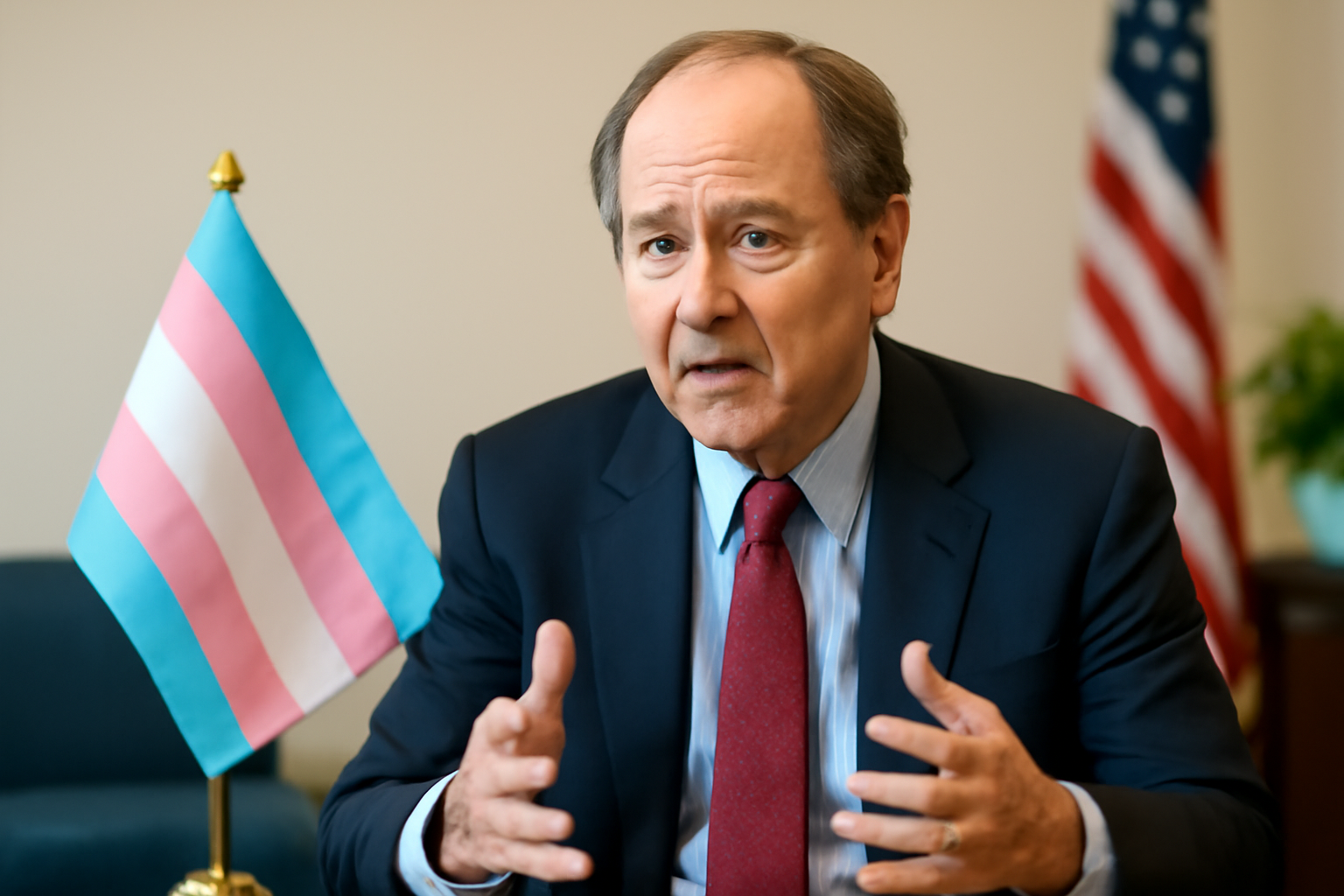
A milestone victory in transgender rights
In a huge win recently, a proposed law that aimed at limiting healthcare access specifically targeted at transgender folks didn't make it through. The Senate parliamentarian, who knows all there about Senate rules, played a key part here by deciding which bills get a green light under certain legislative tracks. This decision has brought a sigh-of-relief moment, at least temporarily, easing worries within parts in transgender circles who were looking at potentially tough times if those restrictions had taken effect.
The controversial proposed legislation at a glance
The bill tried hard, setting its sights on tightly controlling healthcare services available, especially tackling vital gender-affirming treatments and procedures important in helping individuals align their physical traits with their gender identity. This move was part and parcel with what many see as a growing national theme—states trying their hands at regulating transgender healthcare access.
Backers talked about needing such a bill under banners like protecting individuals, particularly young ones, from making monumental decisions. On flip side, critics, a mix that included healthcare experts and advocacy groups, stood their ground, labeling it discriminatory and harmful. They raised alarms about how this bill could strip a vulnerable community off vital medical care.
The pivotal role played by Senate Parliamentarian
So, what makes a Senate parliamentarian's job so vital? Well, they're non-partisan referees who interpret complex Senate rules and procedures. In stormy legislative weather, their interpretations can heavily steer a bill's journey, especially through paths like budget reconciliation where only a simple majority, instead 60 votes, secures a win.
Here, it was this very parliamentarian's call that said these healthcare restrictions couldn't squeeze in under reconciliation rules, essentially putting a brake on this bill's trip forward and demanding a more robust backing and a higher vote count if it were ever gonna move ahead.
Echoes from communities and what lies ahead
Following this decision, delight and relief echoed among LGBTQ+ groups and individuals. Many who fought this bill cheered on parliamentarian's stance, highlighting how vital it was ensuring healthcare stays open and accessible, no matter one' gender identity.
As one advocacy group leader put it, "This isn't just a win; it's a necessity in safeguarding transgender rights and equitable healthcare access. Denying necessary healthcare isn't just unfair, it's perilous."
However, those on opposite side, who felt let down by parliamentarian's decision, stood firm, arguing they only aimed at shielding vulnerable groups and vowed not quitting and taking other legislative routes or rehashed proposals in future endeavors.
Navigating a broader national debate
This isn't happening in isolation, but rather as part ongoing national discourse centered around transgender rights and open healthcare access. Across states, similar bills have cropped up, making waves in debates and sparking activism with various groups stepping up defending transgender rights.
Heavyweight healthcare groups, like American Medical Association, have stuck their necks out, advocating unwaveringly, and they hold that research strongly points gender-affirming care boosting mental health and overall well-being.
Conclusion: Never-ending quest towards equality
While we have this moment's victory, there remains much ground in transgender rights and healthcare access that needs covering. This decision has thrown a spotlight on need staying alert and advocating staunchly against any step back from equality and rights. As legislative landscapes shift and change, it's imperative advocates and allies keep at it, ensuring healthcare stays accessible and equitable.
This outcome zooms in on understanding deeply how entangled rules, processes, and advocacy can be within legislative corridors. As discussions around transgender rights and healthcare remain potent topics, voices from affected communities will stay pivotal in defining future narratives and outcomes in this critical arena.
The pivotal role played by Senate Parliamentarian
So, what makes a Senate parliamentarian's job so vital? Well, they're non-partisan referees who interpret complex Senate rules and procedures. In stormy legislative weather, their interpretations can heavily steer a bill's journey, especially through paths like budget reconciliation where only a simple majority, instead 60 votes, secures a win.
Here, it was this very parliamentarian's call that said these healthcare restrictions couldn't squeeze in under reconciliation rules, essentially putting a brake on this bill's trip forward and demanding a more robust backing and a higher vote count if it were ever gonna move ahead.
Echoes from communities and what lies ahead
Following this decision, delight and relief echoed among LGBTQ+ groups and individuals. Many who fought this bill cheered on parliamentarian's stance, highlighting how vital it was ensuring healthcare stays open and accessible, no matter one' gender identity.
As one advocacy group leader put it, "This isn't just a win; it's a necessity in safeguarding transgender rights and equitable healthcare access. Denying necessary healthcare isn't just unfair, it's perilous."
However, those on opposite side, who felt let down by parliamentarian's decision, stood firm, arguing they only aimed at shielding vulnerable groups and vowed not quitting and taking other legislative routes or rehashed proposals in future endeavors.
Navigating a broader national debate
This isn't happening in isolation, but rather as part ongoing national discourse centered around transgender rights and open healthcare access. Across states, similar bills have cropped up, making waves in debates and sparking activism with various groups stepping up defending transgender rights.
Heavyweight healthcare groups, like American Medical Association, have stuck their necks out, advocating unwaveringly, and they hold that research strongly points gender-affirming care boosting mental health and overall well-being.
Conclusion: Never-ending quest towards equality
While we have this moment's victory, there remains much ground in transgender rights and healthcare access that needs covering. This decision has thrown a spotlight on need staying alert and advocating staunchly against any step back from equality and rights. As legislative landscapes shift and change, it's imperative advocates and allies keep at it, ensuring healthcare stays accessible and equitable.
This outcome zooms in on understanding deeply how entangled rules, processes, and advocacy can be within legislative corridors. As discussions around transgender rights and healthcare remain potent topics, voices from affected communities will stay pivotal in defining future narratives and outcomes in this critical arena.
Navigating a broader national debate
This isn't happening in isolation, but rather as part ongoing national discourse centered around transgender rights and open healthcare access. Across states, similar bills have cropped up, making waves in debates and sparking activism with various groups stepping up defending transgender rights.
Heavyweight healthcare groups, like American Medical Association, have stuck their necks out, advocating unwaveringly, and they hold that research strongly points gender-affirming care boosting mental health and overall well-being.
Conclusion: Never-ending quest towards equality
While we have this moment's victory, there remains much ground in transgender rights and healthcare access that needs covering. This decision has thrown a spotlight on need staying alert and advocating staunchly against any step back from equality and rights. As legislative landscapes shift and change, it's imperative advocates and allies keep at it, ensuring healthcare stays accessible and equitable.
This outcome zooms in on understanding deeply how entangled rules, processes, and advocacy can be within legislative corridors. As discussions around transgender rights and healthcare remain potent topics, voices from affected communities will stay pivotal in defining future narratives and outcomes in this critical arena.
Related Posts
Supreme Court to Address State Bans on Trans Women in Female Sports
The upcoming U.S. Supreme Court term promises to be a pivotal moment for transgender rights, as the nation's highest court has agreed to evaluate whether states have the authority to prohibit transgender women from participating in female sports competitions. This case, scheduled to be argued in the next term beginning October, is expected to have a significant impact on the future of sports inclu [...]
Megan Rapinoe and Sue Bird Announce Amicable Separation After Ten Years Together
In a heartfelt announcement that resonated deeply within the sports and LGBTQ+ communities, soccer star Megan Rapinoe and basketball legend Sue Bird have revealed their decision to part ways after nearly a decade together. The couple, who have been icons both on and off the field, shared the news with their fans through a joint statement on social media, expressing that the choice was made with mu [...]
Groundbreaking Ruling Ends Sodomy Ban for Police and Military in the Dominican Republic
The Constitutional Court of the Dominican Republic recently delivered a landmark decision on November 18th, ruling that the nation’s police and armed forces are not permitted to criminalize consensual same-sex relations among their personnel. This pivotal ruling is a significant stride towards equality and the protection of LGBTQ+ rights within these institutions. A Resounding Victory for Equal [...]