
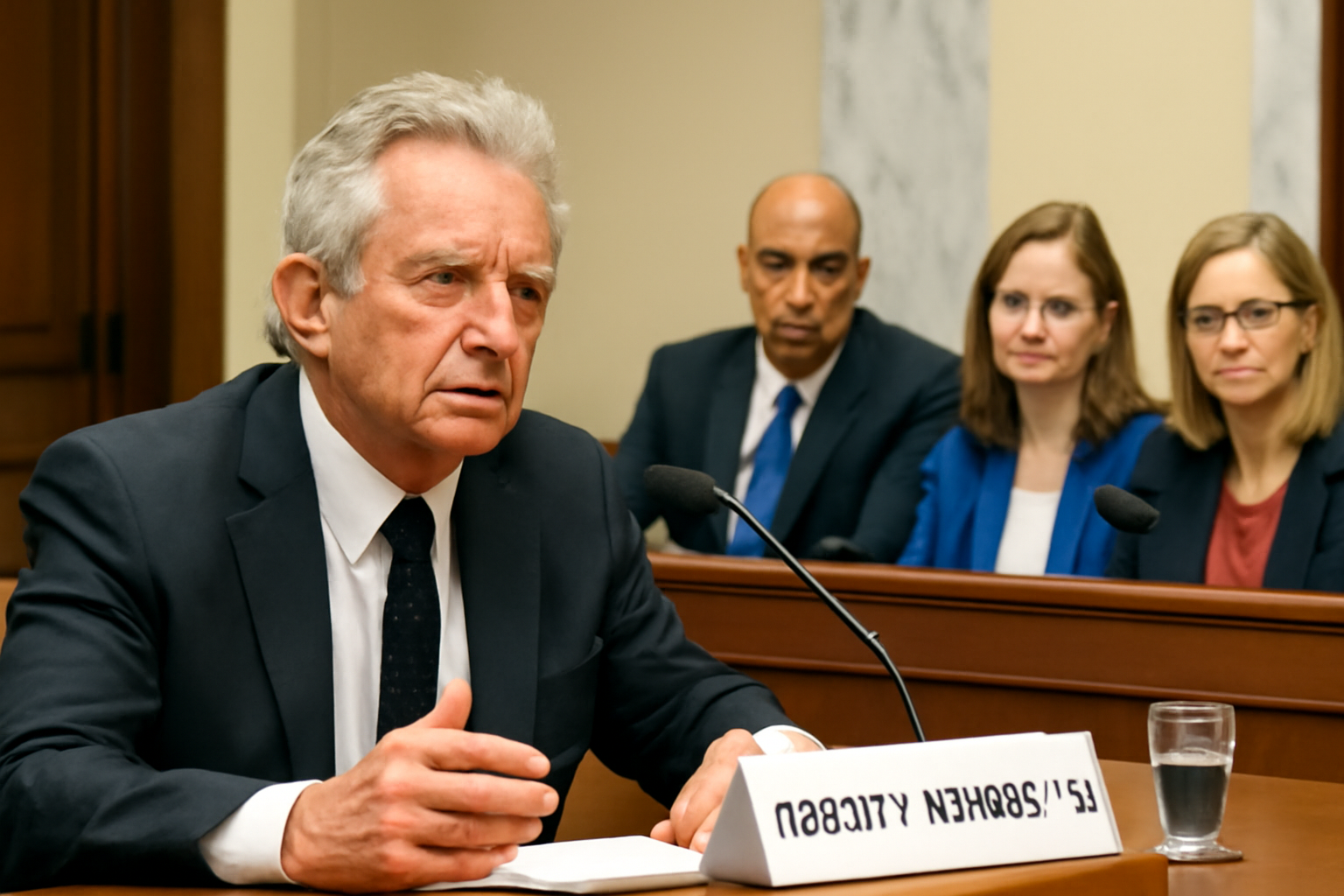
In a recent Senate hearing, Robert F. Kennedy Jr. faced rigorous questioning from several senators about his ongoing advocacy of controversial and widely discredited theories concerning HIV and AIDS. The hearing, which was part of a broader discussion on public health misinformation, aimed to address the potential dangers that unfounded claims about HIV/AIDS pose to public health efforts and communities that are most affected by the disease.
Robert F. Kennedy Jr., a well-known public figure, has long been a critic of mainstream scientific consensus on several health issues, including vaccines and, more recently, the established understanding of HIV/AIDS. These positions have garnered significant attention and criticism from the scientific community, public health officials, and advocacy groups, who argue that such claims undermine years of progress in combating these health crises.
The Senate Hearing
During the hearing, senators from both sides of the aisle expressed concern over Kennedy's statements and their potential impact on public health. Senator Jane Smith, a leading voice on the Senate Health Committee, opened the questioning by emphasizing the importance of adhering to scientific evidence in matters of public health.
"The fight against HIV/AIDS has been one of the most challenging and yet successful campaigns in public health history," Senator Smith noted. "It is crucial that we base our strategies and public messaging on rigorous scientific research and evidence. Anything less risks undoing the hard-won gains we have achieved over the past decades."
Kennedy, in response, defended his position by citing various studies, though many of these have been widely debunked by experts in the field. Despite this, he insisted that open debate and questioning are essential to scientific progress and public discourse.
Scientific Consensus on HIV/AIDS
The scientific community has reached a near-universal consensus on the nature of HIV as the virus that causes AIDS, understanding its transmission, and the effective methods for prevention and treatment. Advances in antiretroviral therapy (ART) have transformed HIV from a fatal diagnosis into a manageable chronic condition, allowing people living with the virus to lead long and healthy lives.
Despite these advances, misinformation about HIV/AIDS persists, often fueled by public figures who challenge the scientific consensus without credible evidence. Such misinformation can lead to stigma, discrimination, and reluctance to seek testing and treatment, ultimately hampering public health efforts.
Community Response and Impact
The potential impact of misinformation on vulnerable communities was a significant focus of the hearing. Organizations that work closely with LGBTQ+ communities, which have historically been disproportionately affected by HIV/AIDS, voiced their concerns about the repercussions of Kennedy's statements.
Dr. Emily Rivera, a leading HIV/AIDS researcher and advocate, submitted a testimony highlighting how misinformation can exacerbate existing health disparities. "Misinformation not only misguides individuals but also affects whole communities, particularly those already marginalized. It is vital to support clear, evidence-based communication to protect these communities," she stated.
The hearing underscored the broader issue of how public figures influence health perceptions. Public health experts emphasized the need for responsible communication, particularly regarding conditions like HIV/AIDS that are subject to stigma and misunderstanding.
Moving Forward
As the hearing concluded, senators called for a concerted effort to counteract misinformation through education and outreach. They stressed the importance of providing accurate information and supporting scientific literacy to empower individuals in making informed health decisions.
Senator Mark Davis, who has sponsored several bills aimed at improving public health education, proposed the creation of initiatives that promote science-based information about HIV/AIDS and other health issues. "The goal is to ensure that everyone has access to the facts needed to safeguard their health and well-being," he said.
The hearing served as a reminder of the ongoing challenges in public health communication and the critical role of evidence-based information in combating diseases like HIV/AIDS. By addressing misinformation and fostering open, informed discussions, public health officials hope to continue making strides in the fight against HIV/AIDS.
As public discourse around health continues to evolve, it remains imperative for science and compassion to guide the conversation, ensuring that all communities have the support and information they need to thrive.
Related Posts
Supreme Court to Address State Bans on Trans Women in Female Sports
The upcoming U.S. Supreme Court term promises to be a pivotal moment for transgender rights, as the nation's highest court has agreed to evaluate whether states have the authority to prohibit transgender women from participating in female sports competitions. This case, scheduled to be argued in the next term beginning October, is expected to have a significant impact on the future of sports inclu [...]
Megan Rapinoe and Sue Bird Announce Amicable Separation After Ten Years Together
In a heartfelt announcement that resonated deeply within the sports and LGBTQ+ communities, soccer star Megan Rapinoe and basketball legend Sue Bird have revealed their decision to part ways after nearly a decade together. The couple, who have been icons both on and off the field, shared the news with their fans through a joint statement on social media, expressing that the choice was made with mu [...]
Groundbreaking Ruling Ends Sodomy Ban for Police and Military in the Dominican Republic
The Constitutional Court of the Dominican Republic recently delivered a landmark decision on November 18th, ruling that the nation’s police and armed forces are not permitted to criminalize consensual same-sex relations among their personnel. This pivotal ruling is a significant stride towards equality and the protection of LGBTQ+ rights within these institutions. A Resounding Victory for Equal [...]