Growing up queer in southeast Missouri during a time when acceptance was hard-won was no picnic. The 1990s were full up with confusion and fear, and those feelings were only magnified by a culture that labeled LGBTQ+ identities as not just different, but downright sinful. I remember trying everything, including earnest prayers, hoping that somehow I'd stop feeling attracted toward people like me. In a bid that, looking back, feels both desperate and hopeful, I turned towards religion. I joined The Church Of Jesus Christ Of Latter-day Saints, thinking maybe faith would be my fix.
But, instead, I spiraled. I started pulling away from my friends and family, tucking away my real self like a secret. Eventually, tired and seeking peace, I left organized religion and joined up with another sort, enlisting in military service. That journey turned out more self-revelatory than I'd expected. Today, I've found happiness and, more importantly, peace with who I am.
## scotus and today's queer youth
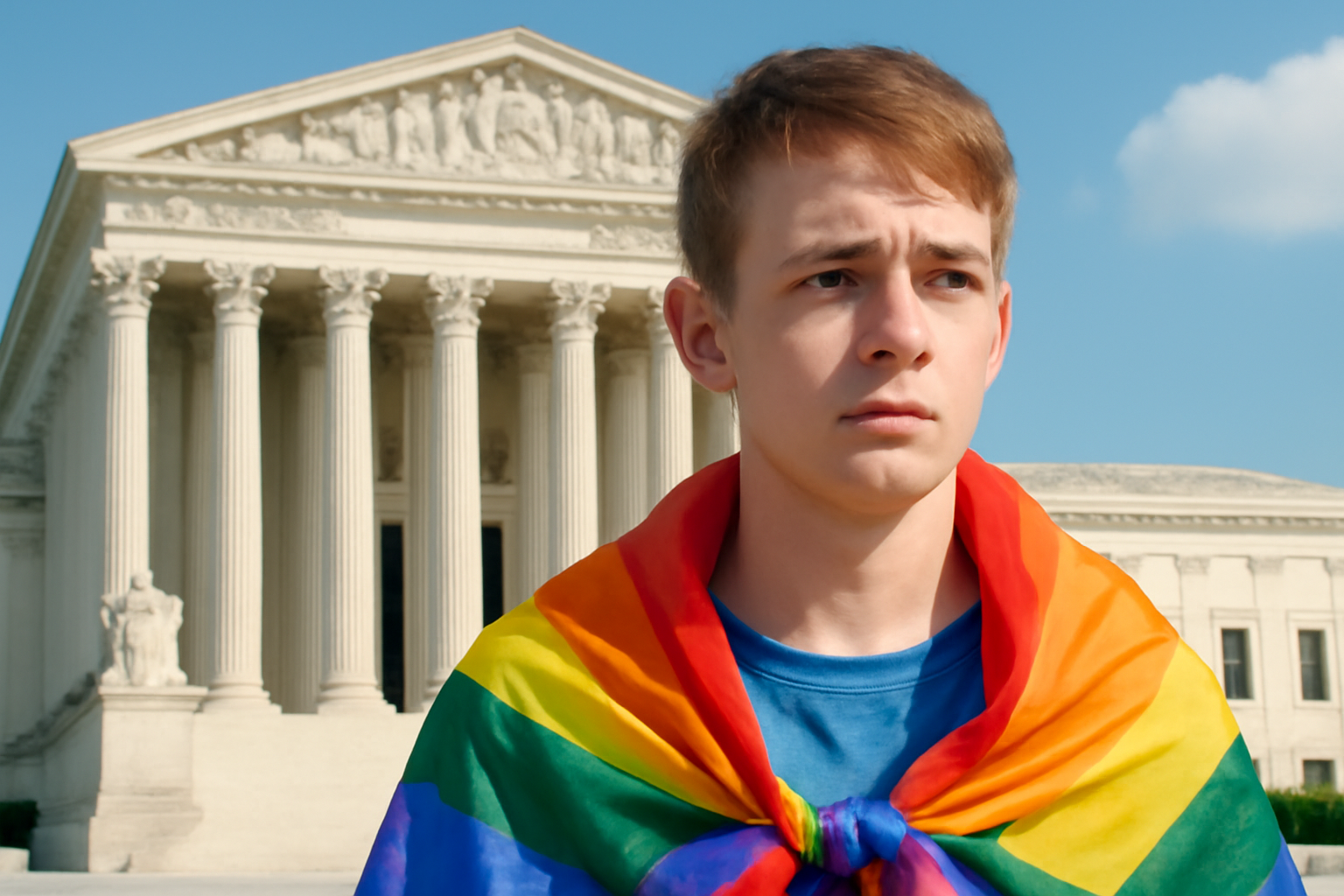
Now, as SCOTUS gears up again—this time with Chiles v. Salazar—my mind can't help but wander back not just over my past, but forward, toward what could lie ahead. This isn't about me anymore, but about today's queer youth. Kids who need more support and fewer barriers, yet might face a resurgence in harmful practices if state bans on conversion therapy crumble.
What exactly does conversion therapy entail? It ranges from suspect “talk therapies” with religious counselors all they up through nightmarish practices like electric shocks. Medical groups—from The American Medical Association right on down—have slammed these practices as useless and harmful. Yet somehow, and it's staggering, a 2019 report from The Williams Institute found about 700,000 LGBTQ+ adults have gone through it. Half when they were just kids.
## what conversion therapy does
We've learned—it'd be impossible not—the toll conversion therapy takes. It's linked with struggling with depression, experiencing self-hate, facing sexual issues, feeling socially cut off, leaning on substances, and even considering or attempting suicide. The Trevor Project's 2024 findings said 27%—that 's more than a quarter—of queer youth who tried taking their own lives had been through conversion therapy.
Back in my Air Force days, I cared as a medic. One adolescent, transgender, broke my heart, trying self-harm after facing conversion therapy. Their father wanted them back in more therapy, even though it hadn't worked before. It reminded me too sharply about how silent I'd stayed—living under “Don't Ask, Don't Tell” within my military days and hiding who I was just trying not just survive but slip through unnoticed.
## legal battles between belief and protection
Chiles v. Salazar seems like a fight framed around words, specifically free speech. Kaley Chiles says enforcing Colorado's ban infringes on her rights as a counselor. It's about limiting what conversations she can have with clients who are trying, or being pressured, really, align their identities with religious beliefs. Her argument—backed by Alliance Defending Freedom, no less—claims these practices have constitutional backing.
Free speech isn't something we toss aside lightly. But here we're talking conduct—how professionals act, especially when their actions risk health and welfare. Bans on conversion therapy exist not as muzzle on anyone's faith, but in defense against psychological harm. The idea isn't suppressing belief—it's ensuring our youth aren't traumatized in pursuit.
## making support a priority
The Supreme Court's choice carries weight. Will they protect youth or enshrine something hurtful? Now, more than ever, we have our own choice. We can't just be silent witnesses. This moment demands we speak, step up, and shield LGBTQ+ youth. Being informed matters as does working with local groups trying hard on advocacy.
Above all, love matters—the love we show ourselves and those around us. Queer youth are here, creating and living alongside us, looking around, gauged our responses. We've got a responsibility, making sure this place—our shared home—is a kinder, more welcoming environment.
If these issues hit home, remember help's out there. Trans Lifeline and The Trevor Project are lifelines, and The National Suicide Prevention Lifeline stands ready too.
