
Breaking down Trump's gender definition order
Right after stepping foot in office, Trump issued an order that cemented only two genders in federal terms: male and female. He laid it out in a rather specific, old-school manner—defining females as those who, from conception, are aligned with producing large reproductive cells, and males as those geared towards smaller ones. But let's be real. Anyone who's taken a basic biology class would probably scratch their head at this. The human development story isn't as black and white—and this oversimplification misses a lot.Let science speak on gender's complexity
Here's a bit from Biology 101: Every human embryo kicks things off in a female template. It's only when a certain gene, SRY, steps in—around six weeks in—that things start shifting towards male development, but only if there's an XY chromosome present. Before that genetic trigger, embryos sport outward traits we'd classify as female. This science lesson just goes on show how gender isn't just a check-this-box deal. It requires nuance, especially when lawmakers are in charge.Sarah McBride's witty takes
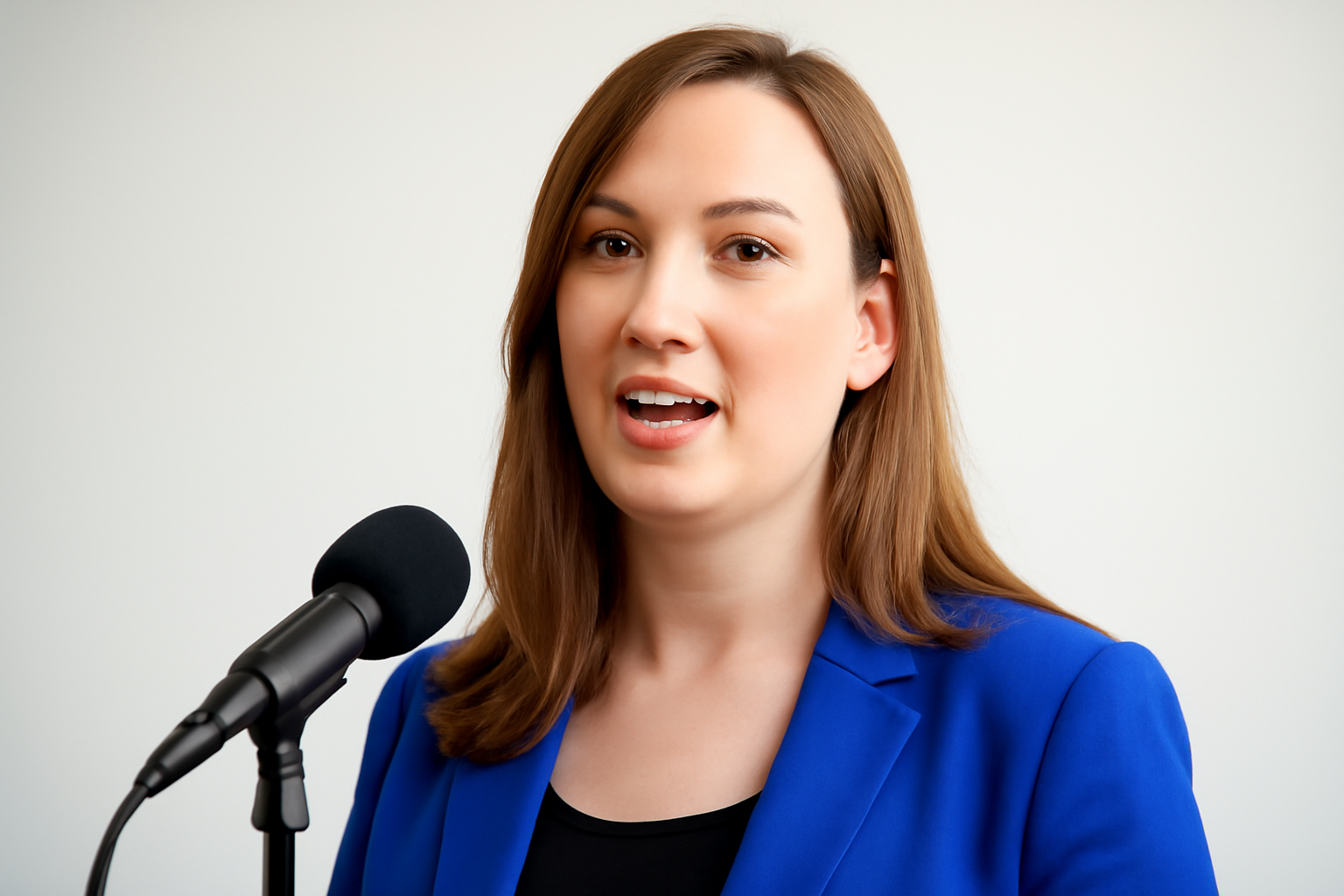
Sarah McBride, who broke ground as Congress's first openly transgender member, took a lighter tone yet got her message across loud and clear. She humorously pointed out that if we take Trump's order at face value, we'd all be labeled female from conception. Her comments really bring attention back on how risky it can be crafting laws that ignore scientific facts, especially when they directly affect so many lives.Wider waves and debates
This executive order didn't stand alone. Trump also moved on policies targeting diversity, equity, and inclusion. Plus, there was talk about ending birthright citizenship and pulling out from WHO. Let's not forget those pardons related events from January 6, 2021. The result? Conversations and arguments on both sides about these sweeping changes, with Trump focusing on cutting what he saw as excessive government meddling in race and gender areas.Support systems in place
Policies like these don't happen in a vacuum. For LGBTQ+ communities, it can mean big changes. But they're not without aid. The LGBT National Help Center, open weekdays and Saturdays, offers a helping hand and listening ear. As political discussions push forward, highlighting gender identity and recognition becomes ever more essential. Advocates like Sarah McBride are key in ensuring that national policies respect and reflect human diversity in all its forms.Related Posts
California Governor Pressed to Enact Key Transgender Rights Legislation
California Governor Pressed to Enact Key Transgender Rights Legislation In a significant move, advocacy groups across California are urging Governor Gavin Newsom to ratify a series of bills designed to enhance and protect the rights of transgender individuals within the state.*break* In recent weeks, a coalition of transgender rights organizations has mobilized the public to contact Governor New [...]
Exploring 'Feminine': A Preview at The Pride Center of New Jersey
An Exciting Artistic Expression of Identity The Pride Center of New Jersey is thrilled to host a captivating preview of the exhibit "Feminine," a unique artistic exploration of gender and identity. This event promises to be an enriching experience for anyone interested in the vibrant tapestry of the LGBTQ+ community. The preview will take place at the Pride Center, located in the welcoming town of [...]
Controversy at the Kennedy Center: Drag Shows Thrive Despite Political Promises
In a surprising turn of events, the Kennedy Center, an iconic cultural venue, finds itself at the center of a political and cultural controversy. This comes after former President Donald Trump made headlines by dismissing the Kennedy Center's board, appointing himself as chair, and installing Ric Grenell, a devoted supporter, as the interim head. This move was part of an effort to eliminate what T [...]