
Introduction
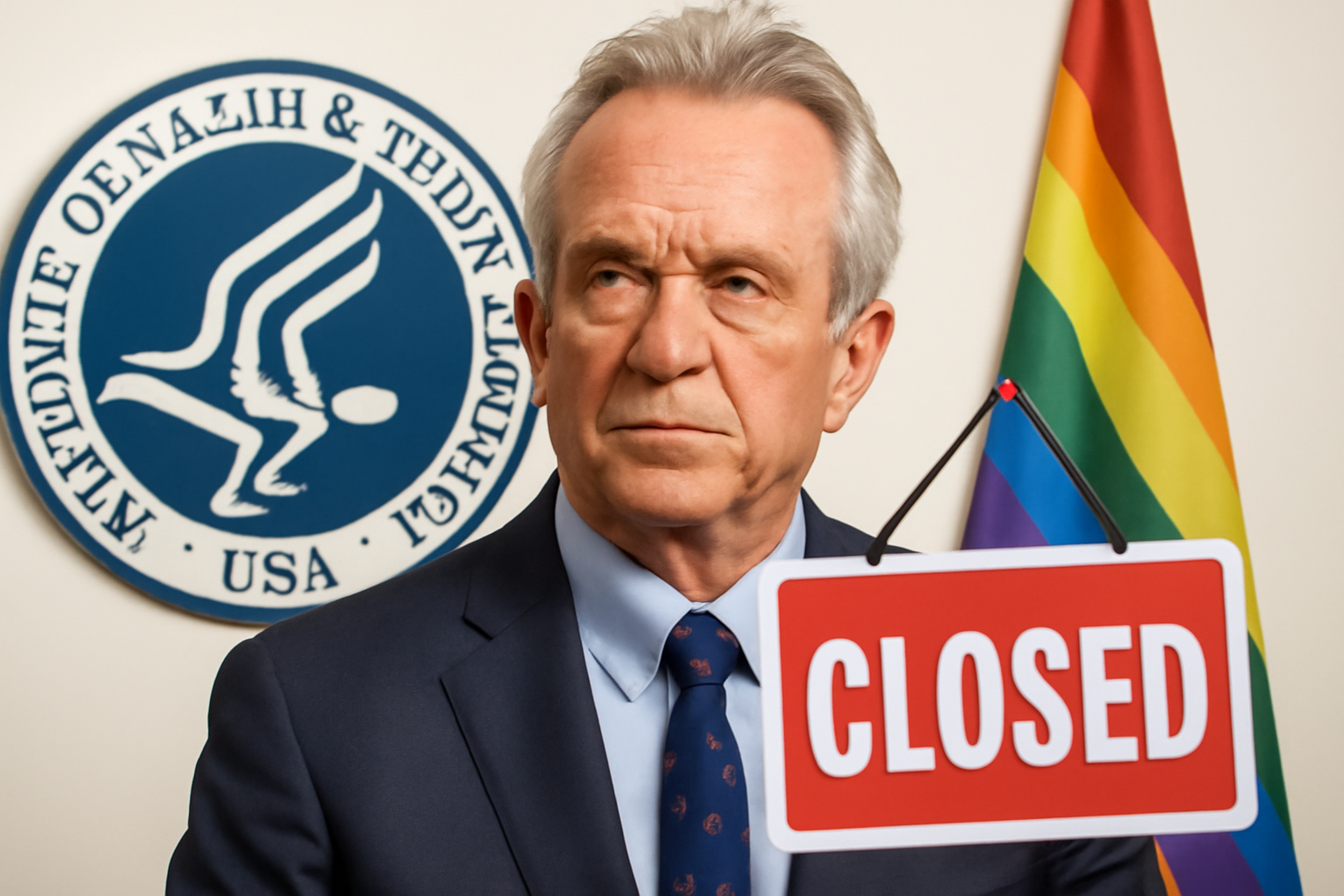
In a surprising move, Robert F. Kennedy Jr., a prominent public figure with a long-standing involvement in various public and health-related initiatives, has announced plans to close the Department of Health and Human Services (HHS) Office of Infectious Diseases and HIV/AIDS Policy. This decision has sparked a significant amount of debate and concern among health professionals, advocacy groups, and the LGBTQ+ community, as this office plays a critical role in managing public health and supporting those affected by infectious diseases, including the HIV/AIDS epidemic.
Understanding the Role of the Office
The HHS Office of Infectious Diseases and HIV/AIDS Policy has been instrumental in coordinating federal efforts to combat infectious diseases. Its responsibilities include the development of policies, guidelines, and initiatives to prevent and treat infectious diseases, promote public health, and address the needs of vulnerable populations, particularly those at higher risk of HIV/AIDS. The office also plays a key role in facilitating research and collaboration among various agencies and organizations dedicated to these causes.
The potential closure of this office could have far-reaching implications. For many, it represents a rollback in the support and resources available to combat diseases that disproportionately affect marginalized communities, including the LGBTQ+ population. Advocacy groups have expressed concern that closing this office may lead to reduced funding and attention to critical health issues that require ongoing commitment and action.
Reaction from the LGBTQ+ Community
The announcement has been met with swift backlash from LGBTQ+ activists and health advocates who emphasize the importance of maintaining dedicated resources and infrastructure to address infectious diseases and HIV/AIDS. These groups fear that eliminating the office could hinder progress made over decades in reducing the impact of these diseases, particularly among communities that have historically experienced discrimination and inadequate access to healthcare.
Many advocates argue that the office's closure could send a detrimental message about the government's commitment to public health and the well-being of all citizens, particularly those who are most vulnerable. They stress the need for continued support and targeted interventions to address health disparities and ensure that everyone has access to the care and treatment they need.
Public Health Implications
The closure of the HHS Office of Infectious Diseases and HIV/AIDS Policy could result in significant challenges for the management and prevention of infectious diseases. With the ongoing threat of new pathogens and the continuing battle against HIV/AIDS, the need for coordinated efforts and strategic policy implementation is crucial. The office has been pivotal in responding to health emergencies and ensuring that effective prevention measures are in place.
Experts warn that disbanding the office may lead to fragmented efforts and a lack of cohesive strategy in addressing these critical health issues. It could also impact funding allocation and the ability to mobilize resources efficiently in response to outbreaks or public health crises.
Call to Action
In light of this development, public health advocates are calling for a reevaluation of the decision and urging policymakers to recognize the importance of maintaining robust infrastructure dedicated to combating infectious diseases. They highlight the need for continued investment in public health systems and the protection of vulnerable populations from health disparities.
The LGBTQ+ community, alongside other advocacy groups, is mobilizing efforts to raise awareness and push for policy discussions that emphasize the importance of sustained support for infectious disease management and prevention. By bringing attention to the potential consequences of closing this vital office, they aim to ensure that public health remains a priority and that all individuals have access to the resources they need to live healthy, fulfilling lives.
As the conversation continues, it is clear that the decision to shutter the HHS Office of Infectious Diseases and HIV/AIDS Policy has far-reaching implications. It underscores the ongoing need for vigilance, advocacy, and collaboration in the fight against infectious diseases and in ensuring equitable healthcare for all.
Related Posts
Supreme Court to Address State Bans on Trans Women in Female Sports
The upcoming U.S. Supreme Court term promises to be a pivotal moment for transgender rights, as the nation's highest court has agreed to evaluate whether states have the authority to prohibit transgender women from participating in female sports competitions. This case, scheduled to be argued in the next term beginning October, is expected to have a significant impact on the future of sports inclu [...]
Megan Rapinoe and Sue Bird Announce Amicable Separation After Ten Years Together
In a heartfelt announcement that resonated deeply within the sports and LGBTQ+ communities, soccer star Megan Rapinoe and basketball legend Sue Bird have revealed their decision to part ways after nearly a decade together. The couple, who have been icons both on and off the field, shared the news with their fans through a joint statement on social media, expressing that the choice was made with mu [...]
Groundbreaking Ruling Ends Sodomy Ban for Police and Military in the Dominican Republic
The Constitutional Court of the Dominican Republic recently delivered a landmark decision on November 18th, ruling that the nation’s police and armed forces are not permitted to criminalize consensual same-sex relations among their personnel. This pivotal ruling is a significant stride towards equality and the protection of LGBTQ+ rights within these institutions. A Resounding Victory for Equal [...]