
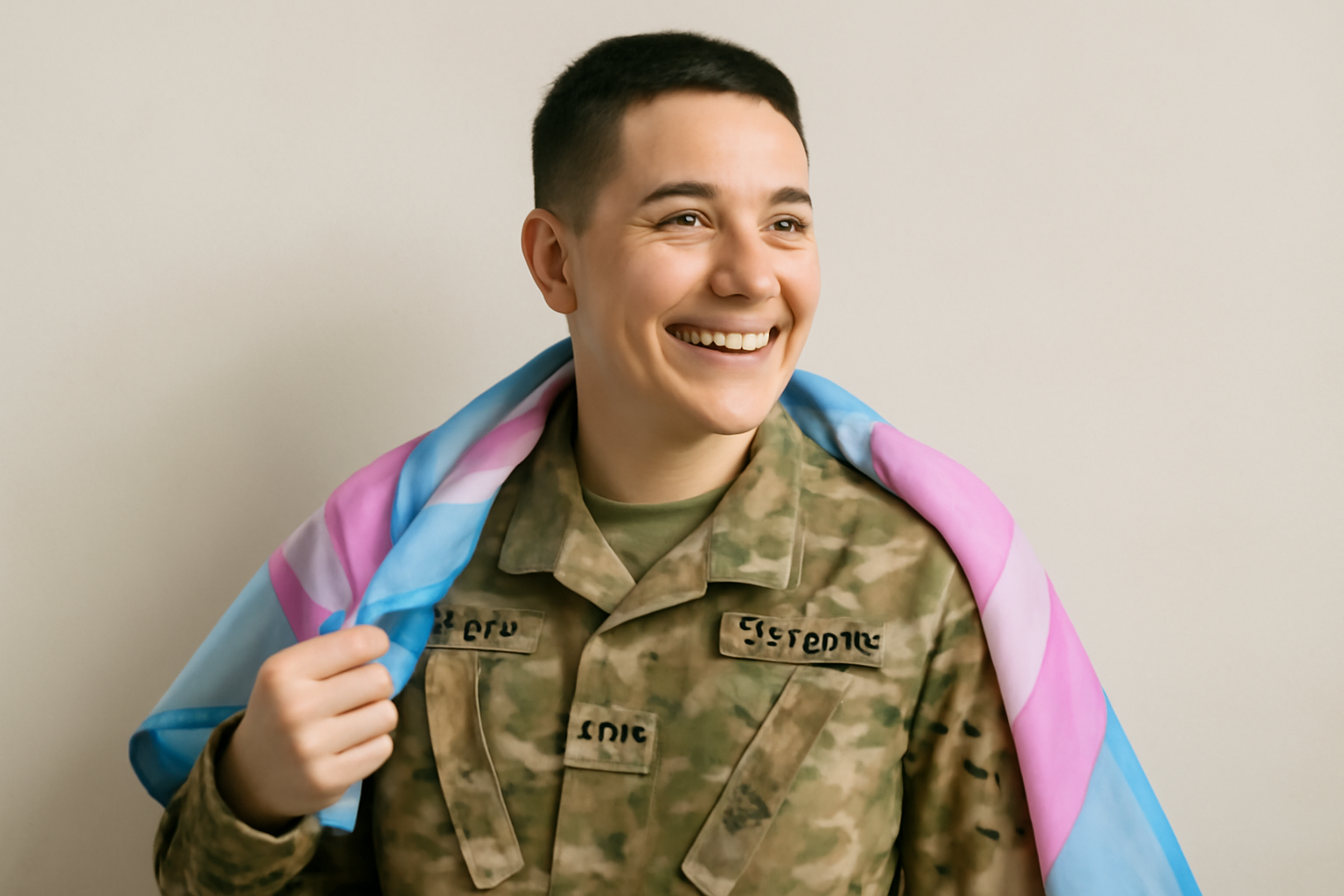
In recent years, the conversation around military service has increasingly focused on the rights of transgender individuals. The policy landscape has fluctuated, reflecting broader societal debates over inclusion and equality. Notably, the reinstatement of the right for transgender people to serve openly in the military marks a significant step forward for both the armed forces and the LGBTQ+ community.
A Tumultuous History
The journey towards full military inclusion for transgender individuals has been fraught with challenges. In the past, policies have shifted dramatically depending on the prevailing political climate. This inconsistency has created an environment of uncertainty and instability for transgender service members. Understanding this history is crucial for grasping the importance of current developments.
Historically, transgender individuals faced significant hurdles in pursuing military careers. Policies either explicitly barred their service or required them to serve in secrecy, concealing their gender identity under threat of discharge. These restrictions not only hindered the careers of countless capable individuals but also denied the military access to a diverse pool of talent.
Steps Forward and Backward
In 2016, a landmark policy was enacted that allowed transgender individuals to serve openly in the U.S. military. This change was celebrated by advocates of LGBTQ+ rights, who saw it as a monumental step toward equality. However, this policy was short-lived. In 2017, a new directive attempted to roll back these gains, once again barring transgender individuals from enlisting and serving openly.
The proposed ban was met with widespread criticism, sparking protests and legal challenges. Advocates argued that the ban was not only discriminatory but also detrimental to military readiness and cohesion. Numerous studies have shown that inclusive policies do not negatively impact military effectiveness. Instead, they foster an environment where all individuals can contribute fully, irrespective of gender identity.
Renewed Commitment to Inclusion
In a significant move, the policy was reversed once more, allowing transgender individuals to serve openly in the military. This decision underscores a renewed commitment to diversity and inclusion within the armed forces. It recognizes the valuable contributions that transgender individuals make to national defense and acknowledges their right to serve their country with dignity.
The reversal of the ban was welcomed by military leaders and LGBTQ+ advocates alike. It sends a clear message that discrimination has no place in the military, and that all individuals, regardless of gender identity, are valued for their skills and service.
Impact on Service Members
For many transgender individuals, the ability to serve openly is a validation of their identity and capabilities. It allows them to pursue their career goals without fear of retribution or discrimination. The policy change also provides much-needed stability, ensuring that service members can focus on their duties rather than worrying about the future of their careers.
Transgender service members have long demonstrated resilience, courage, and dedication, often serving in silence while facing unique challenges. The ability to serve openly allows them to bring their whole selves to their roles, enhancing personal satisfaction and team cohesion.
A Broader Movement for Equality
The restoration of inclusive policies is part of a broader movement toward equality and acceptance for transgender individuals across all sectors of society. It reflects a growing recognition of the importance of diversity and the need to challenge systemic discrimination wherever it exists.
As society continues to evolve, it is essential to support policies that promote equality and fairness. The inclusion of transgender individuals in the military serves as a powerful example of what can be achieved when barriers are removed and people are judged based on their abilities rather than their identities.
In conclusion, the ability for transgender individuals to serve openly in the military represents a victory for equality and human rights. It is a testament to the tireless efforts of advocates and allies who have fought for this change. As the military welcomes back its transgender service members, it also takes an important step toward becoming a more inclusive and representative institution.
Related Posts
Supreme Court to Address State Bans on Trans Women in Female Sports
The upcoming U.S. Supreme Court term promises to be a pivotal moment for transgender rights, as the nation's highest court has agreed to evaluate whether states have the authority to prohibit transgender women from participating in female sports competitions. This case, scheduled to be argued in the next term beginning October, is expected to have a significant impact on the future of sports inclu [...]
Megan Rapinoe and Sue Bird Announce Amicable Separation After Ten Years Together
In a heartfelt announcement that resonated deeply within the sports and LGBTQ+ communities, soccer star Megan Rapinoe and basketball legend Sue Bird have revealed their decision to part ways after nearly a decade together. The couple, who have been icons both on and off the field, shared the news with their fans through a joint statement on social media, expressing that the choice was made with mu [...]
Groundbreaking Ruling Ends Sodomy Ban for Police and Military in the Dominican Republic
The Constitutional Court of the Dominican Republic recently delivered a landmark decision on November 18th, ruling that the nation’s police and armed forces are not permitted to criminalize consensual same-sex relations among their personnel. This pivotal ruling is a significant stride towards equality and the protection of LGBTQ+ rights within these institutions. A Resounding Victory for Equal [...]