
In recent years, the political landscape has been fraught with challenges that test the very fabric of our democratic institutions. The notion that a president may act with impunity, shielded by the power of the office, is a dangerous precedent that must be addressed. This sentiment echoes a notorious claim made by a past U.S. president, Richard Nixon, who suggested that presidential actions were inherently legal due to the power of the presidency itself.
Donald Trump, following a similar line of thinking, has sought to dismiss charges related to election interference, citing presidential immunity. However, this argument was firmly rejected by Judge Tanya Chutkan in December 2023, who declared that no president is above the law, a sentiment that resonates with the bedrock principles of our Constitution. Judge Chutkan's ruling emphasized that former presidents do not possess any special conditions that exempt them from federal criminal liability.
The Supreme Court's Decision on Presidential Immunity
Despite these affirmations of accountability, a controversial decision by the Supreme Court in "Trump v. United States" on July 1, 2024, granted broad presidential immunity for actions deemed as exercising "core powers" of the presidency. This decision has sparked intense debate and concern, as the Court did not clearly define these "core powers," leaving significant room for interpretation and potential abuse.
During the Supreme Court hearings, questions arose regarding the extent of presidential authority, with hypotheticals posed about the use of military force against political adversaries. The implications of the Court's decision suggest a troubling expansion of executive power, raising fears of unchecked presidential authority that could undermine democratic principles.
Justice Sotomayor, in her dissent, warned of the dangers inherent in this new interpretation of presidential power, likening it to a "loaded weapon" for future presidents who might prioritize personal interests over national welfare. This decision, shaped by a Court composition influenced by Trump appointees, risks elevating the presidency to a status akin to a monarchy, eroding the checks and balances crucial to a functioning democracy.
Fueling the Flame of Democracy
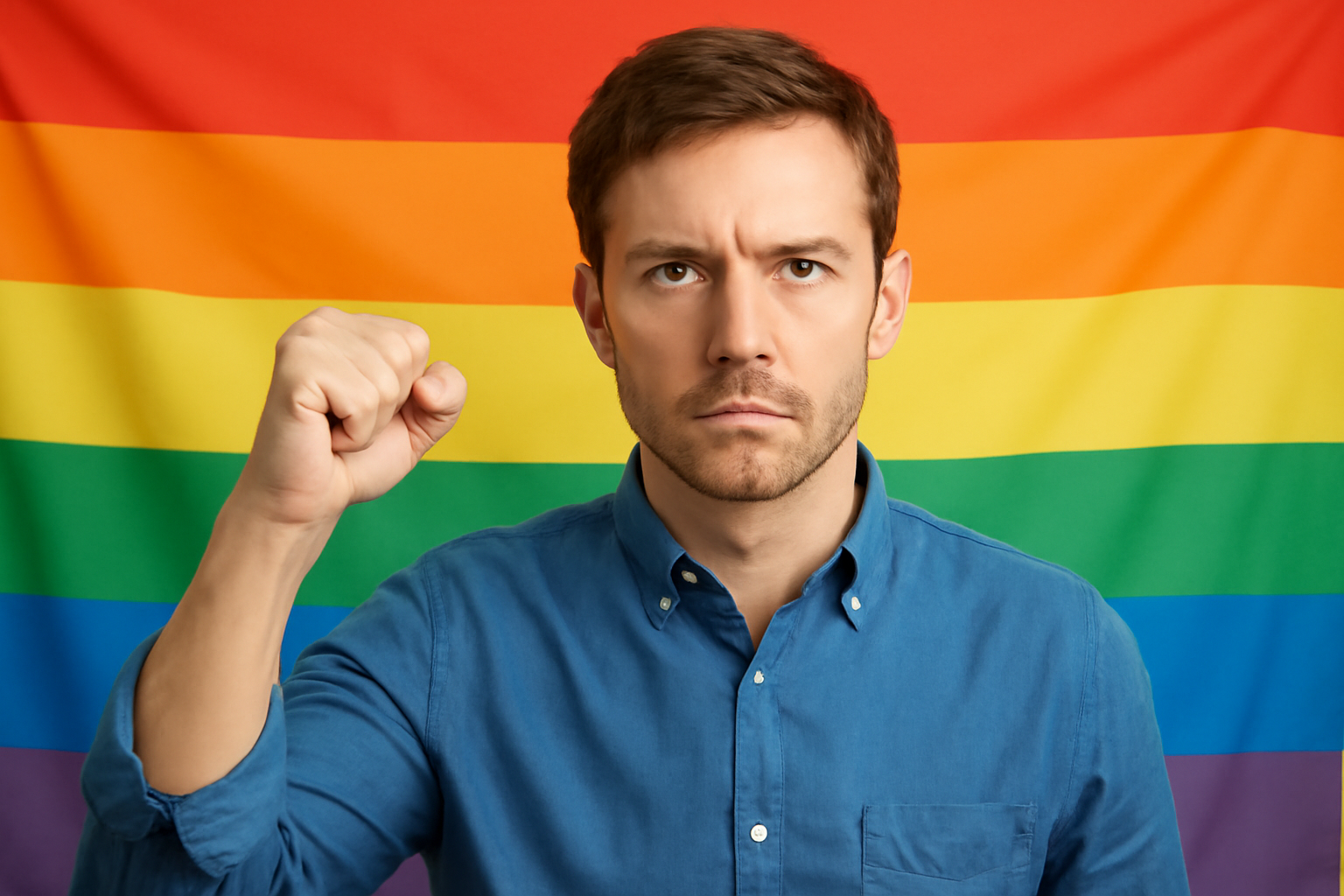
In light of these developments, the responsibility falls to the public to uphold democratic ideals. The United States, as a democratic republic, relies on an informed and engaged citizenry to ensure that leaders are held to a standard that reflects the nation's core values. Throughout history, even in the most oppressive regimes, resistance movements have emerged to advocate for the people's rights against autocratic forces.
It is imperative for individuals and communities to find their roles in this collective effort, contributing their unique skills and strengths to the preservation of democracy. By drawing an analogy to the elements needed to sustain a fire—fuel, oxygen, and spark—we can understand the diverse contributions required to maintain a vibrant and equitable nation.
During Trump's presidency, the term "unprecedented" became commonplace, indicating the extraordinary nature of the challenges faced. As we navigate the aftermath of recent elections and prepare for future battles to safeguard our rights, we must remain vigilant and innovative in our approaches to defending our communities and institutions.
Charting a Path Forward
Our democratic institutions are only as strong as the commitment of "we, the people." By learning from past struggles and envisioning new strategies for advocacy and resistance, we can overcome the adversities that threaten our freedoms. As we emerge from the current political climate, let us look towards a future where we can unite under a shared vision of justice and equality.
To stay informed and engaged, consider subscribing to our newsletter, which offers insights and updates on the issues impacting LGBTQ+ communities and beyond. Together, we can ensure that our voices are heard and our rights protected in the face of ongoing challenges.
Related Posts
Supreme Court to Address State Bans on Trans Women in Female Sports
The upcoming U.S. Supreme Court term promises to be a pivotal moment for transgender rights, as the nation's highest court has agreed to evaluate whether states have the authority to prohibit transgender women from participating in female sports competitions. This case, scheduled to be argued in the next term beginning October, is expected to have a significant impact on the future of sports inclu [...]
Megan Rapinoe and Sue Bird Announce Amicable Separation After Ten Years Together
In a heartfelt announcement that resonated deeply within the sports and LGBTQ+ communities, soccer star Megan Rapinoe and basketball legend Sue Bird have revealed their decision to part ways after nearly a decade together. The couple, who have been icons both on and off the field, shared the news with their fans through a joint statement on social media, expressing that the choice was made with mu [...]
Groundbreaking Ruling Ends Sodomy Ban for Police and Military in the Dominican Republic
The Constitutional Court of the Dominican Republic recently delivered a landmark decision on November 18th, ruling that the nation’s police and armed forces are not permitted to criminalize consensual same-sex relations among their personnel. This pivotal ruling is a significant stride towards equality and the protection of LGBTQ+ rights within these institutions. A Resounding Victory for Equal [...]