
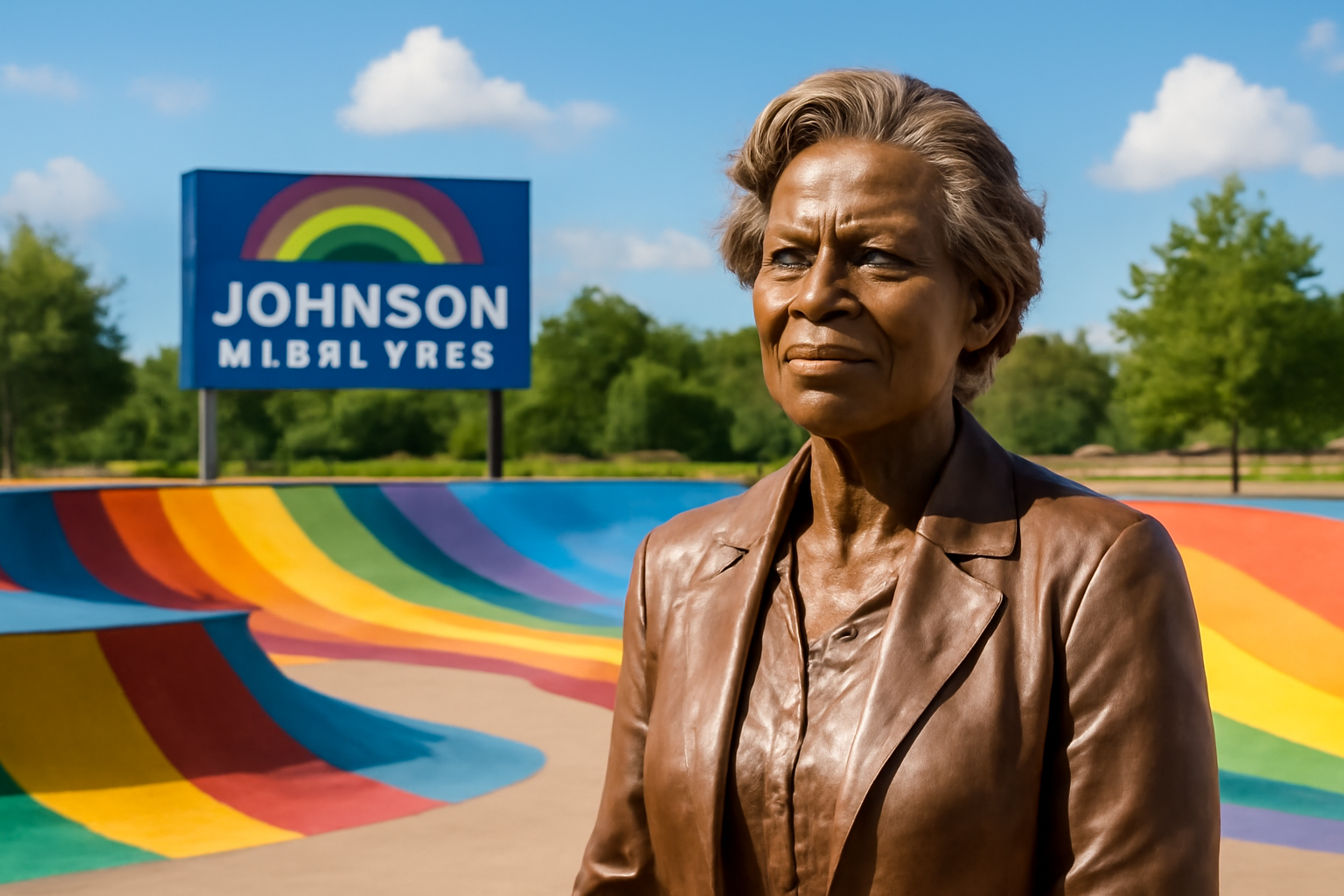
Reconsidering How We Honor Our Leaders
In a world where the past is constantly being re-evaluated, the way we honor our leaders and historical figures is also evolving. Traditional monuments like statues and named buildings may not always capture the full spectrum of a leader's impact on society. This opens up the discussion for unconventional tributes that reflect a more nuanced perspective of a person's legacy.
One provocative idea is to name less conventional landmarks after contemporary figures. Prisons, landfills, and even natural features like volcanos present unique opportunities for commemoration. These suggestions might seem controversial, but they invite us to think critically about the symbols we choose to represent leadership and legacy.
The Symbolism of Naming
Names carry powerful symbolism. When we name a building after someone, we are bestowing a form of immortality upon them. Traditionally, we name schools, roads, and airports after individuals to honor their contributions to society. However, these choices are often scrutinized, as they reflect societal values at a moment in time.
Naming a landfill or a prison after a political figure might seem like an insult, but it could also be viewed as an honest reflection of a divisive legacy. Landfills are essential to modern life, managing waste and striving towards sustainability. Prisons, complex as they are, remain a crucial part of the discussion around justice and reform.
Volcanos: Nature’s Powerful Tribute
Volcanos symbolize nature's raw power and can serve as fitting tributes to leaders whose influence was likewise forceful and transformative. Unlike constructed monuments, volcanos are natural phenomena that evoke a sense of awe and respect. Naming a volcano after a leader acknowledges the intense and sometimes unpredictable nature of political influence.
Volcanos also remind us of the dual nature of legacies—capable of both destruction and creation. They can devastate landscapes but also create fertile ground for new life. Similarly, the policies and decisions of leaders can have both positive and negative effects on societies.
Rethinking Currency and Commemoration
Currency is another traditional avenue for honoring leaders. Placing a leader’s portrait on a coin or bill is a time-honored tradition, but also a political statement. It’s an acknowledgment that the individual’s contributions are integral enough to be part of daily transactions.
The idea of putting a leader’s face on a penny could serve as a subtle commentary on their perceived value. The penny, often overlooked and undervalued, might be a fitting metaphor for a leader whose legacy is contentious. It forces society to reconsider what we deem valuable and worthy of everyday recognition.
Engaging in Meaningful Dialogue
These unconventional ideas for honoring leaders provoke discussion and encourage a deeper examination of how we choose to remember our past. Our society is diverse and complex, and our symbols should reflect that diversity. The conversation about how we commemorate influential figures is more important than ever in an era where historical narratives are constantly being challenged and rewritten.
As we engage in these discussions, it’s crucial to listen to a broad range of voices and perspectives. Acknowledging the full spectrum of a leader’s impact, both positive and negative, allows for a more honest and comprehensive understanding of history.
A New Era of Commemoration
In the end, how we choose to honor our leaders tells us as much about ourselves as it does about them. Whether through traditional monuments, currency, or naming unconventional landmarks, the act of commemoration is a powerful tool for reflection and dialogue.
By embracing creativity and inclusivity in our commemorative practices, we can foster a society that respects the complexity of history and the leaders who shaped it. This approach not only honors their contributions but also acknowledges the ongoing journey towards understanding and reconciliation.
Related Posts
Supreme Court to Address State Bans on Trans Women in Female Sports
The upcoming U.S. Supreme Court term promises to be a pivotal moment for transgender rights, as the nation's highest court has agreed to evaluate whether states have the authority to prohibit transgender women from participating in female sports competitions. This case, scheduled to be argued in the next term beginning October, is expected to have a significant impact on the future of sports inclu [...]
Megan Rapinoe and Sue Bird Announce Amicable Separation After Ten Years Together
In a heartfelt announcement that resonated deeply within the sports and LGBTQ+ communities, soccer star Megan Rapinoe and basketball legend Sue Bird have revealed their decision to part ways after nearly a decade together. The couple, who have been icons both on and off the field, shared the news with their fans through a joint statement on social media, expressing that the choice was made with mu [...]
Groundbreaking Ruling Ends Sodomy Ban for Police and Military in the Dominican Republic
The Constitutional Court of the Dominican Republic recently delivered a landmark decision on November 18th, ruling that the nation’s police and armed forces are not permitted to criminalize consensual same-sex relations among their personnel. This pivotal ruling is a significant stride towards equality and the protection of LGBTQ+ rights within these institutions. A Resounding Victory for Equal [...]