
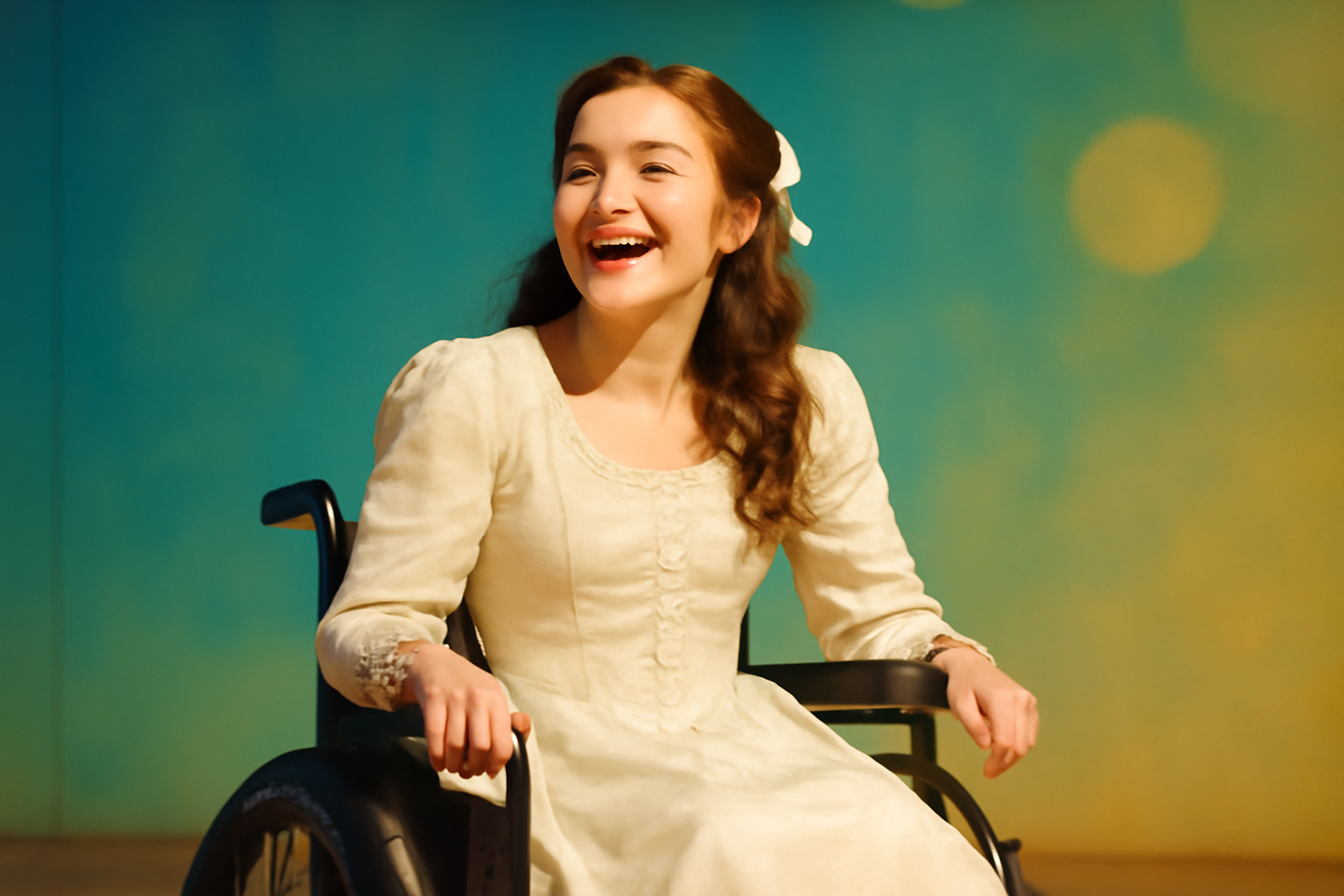
In the world of musical theatre, certain characters become iconic not only for their storylines but also for how they address complex social issues. Nessarose, from the beloved musical "Wicked," is one such character who brings attention to the representation of disabilities on stage. Recently, there has been a growing conversation about how humor is used in relation to Nessarose's character and her disability, sparking a discussion on inclusivity and sensitivity in entertainment.
The Role of Nessarose in "Wicked"
Nessarose Thropp, a character in "Wicked," is known for her poignant storyline and the challenges she faces due to her disability. She is portrayed as being wheelchair-bound, which plays a significant role in her character development and interactions within the musical. Fans and critics alike have noted that her character adds depth to the narrative, highlighting themes of acceptance and the societal perceptions of disability.
Humor and Sensitivity: Navigating Jokes About Disability
A recent wave of discussions has emerged around the humor associated with Nessarose's character, specifically regarding the jokes made about her disability. These jokes, while intended to add a comedic element, can be perceived as "deeply uncomfortable" by some audience members and disability advocates. The core of the issue revolves around the balance between humor and respect, a balance that can sometimes be precarious in the world of entertainment.
Critics argue that the use of humor at the expense of a character's disability may reinforce negative stereotypes and perpetuate insensitivity towards disabled individuals. This has led to calls for a more thoughtful approach to crafting humor that involves characters with disabilities, ensuring that the jokes do not undermine or trivialize their experiences.
A Call for Inclusivity and Respect
The conversation around Nessarose's portrayal is part of a larger movement towards inclusivity and respectful representation in media. Advocates for disability rights emphasize the importance of portraying disabled characters with dignity and depth, avoiding clichés or reductive humor that could be harmful or dismissive.
The entertainment industry is gradually recognizing the need for change, with many creators and writers actively seeking to include diverse perspectives in their work. This includes consulting with disability advocates and individuals with lived experiences to ensure accurate and respectful representation.
Reimagining Representation in Theatre
The case of Nessarose in "Wicked" serves as an important reminder of the impact that representation in theatre and media can have on public perceptions. When done thoughtfully, the inclusion of disabled characters can challenge stereotypes and promote a more inclusive society. However, it requires a commitment to authenticity and sensitivity from creators and performers alike.
Audiences play a crucial role in this process by supporting productions that prioritize respectful and meaningful representation. By engaging with stories that reflect a diverse range of experiences, viewers can contribute to a cultural shift towards greater understanding and empathy.
Conclusion: Moving Forward with Awareness
As discussions around the portrayal of Nessarose and similar characters continue, it is clear that there is a growing awareness of the need for thoughtful representation of disabilities in entertainment. By listening to voices from the disability community and valuing their insights, the entertainment industry can move towards a future where all individuals are represented with the dignity and complexity they deserve.
Ultimately, the goal is to create stories that resonate with audiences while respecting the diverse realities of human experiences. In doing so, we can foster a more inclusive and compassionate world, both on and off the stage.
Related Posts
Supreme Court to Address State Bans on Trans Women in Female Sports
The upcoming U.S. Supreme Court term promises to be a pivotal moment for transgender rights, as the nation's highest court has agreed to evaluate whether states have the authority to prohibit transgender women from participating in female sports competitions. This case, scheduled to be argued in the next term beginning October, is expected to have a significant impact on the future of sports inclu [...]
Megan Rapinoe and Sue Bird Announce Amicable Separation After Ten Years Together
In a heartfelt announcement that resonated deeply within the sports and LGBTQ+ communities, soccer star Megan Rapinoe and basketball legend Sue Bird have revealed their decision to part ways after nearly a decade together. The couple, who have been icons both on and off the field, shared the news with their fans through a joint statement on social media, expressing that the choice was made with mu [...]
Groundbreaking Ruling Ends Sodomy Ban for Police and Military in the Dominican Republic
The Constitutional Court of the Dominican Republic recently delivered a landmark decision on November 18th, ruling that the nation’s police and armed forces are not permitted to criminalize consensual same-sex relations among their personnel. This pivotal ruling is a significant stride towards equality and the protection of LGBTQ+ rights within these institutions. A Resounding Victory for Equal [...]