
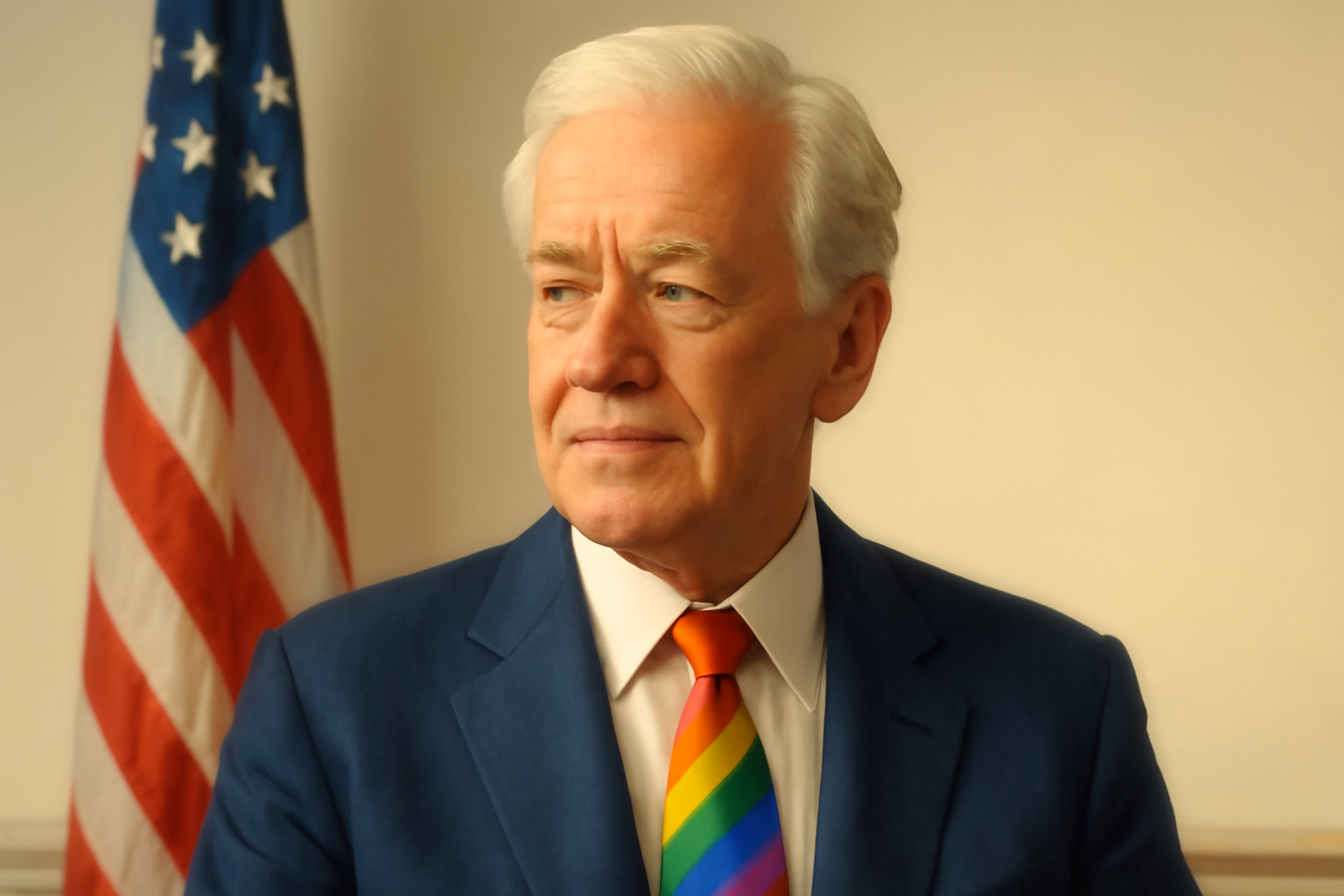
Reflections on Leadership: Evaluating Historical Impact
Presidents’ Day is a time for Americans to reflect on the legacy and contributions of the leaders who have shaped the nation. It is an opportunity to remember and evaluate the actions and impacts of those who have held the highest office in the land. While each president’s tenure is marked by achievements and challenges, it is crucial to critically assess their legacies to understand how they align with the values and principles we uphold as a society.
In recent years, discussions around which leaders should be celebrated on Presidents’ Day have intensified. This is particularly true for leaders whose policies and actions have been polarizing. It is important to approach these discussions with an open mind and a commitment to understanding the broader impact of a leader’s time in office.
The Role of Leadership in Shaping Society
Leadership plays a critical role in shaping the policies and direction of a nation. Presidents are tasked with making decisions that can have far-reaching consequences. These decisions can impact the economy, social justice, international relations, and the environment, among other critical areas. As such, evaluating a president’s legacy involves examining both their achievements and their shortcomings.
For many, Presidents’ Day is a time to celebrate the leaders who have embodied the values of integrity, courage, and a commitment to the common good. It is a time to honor those who have worked tirelessly to advance equality, justice, and prosperity for all citizens. However, it is also a time to acknowledge that not all leaders have lived up to these ideals. Some have been mired in controversy, with policies and actions that have sparked significant debate and division.
Examining Controversial Legacies
Throughout history, there have been presidents whose legacies are contentious. These leaders evoke strong reactions from both supporters and critics. It is essential to engage in honest and critical discussions about these figures, considering the full scope of their impact on the nation and the world.
One approach is to focus on the tangible outcomes of their policies. Did they contribute positively to the nation’s progress? Did they uphold democratic principles and work towards inclusivity and justice? These are some of the questions that should guide our evaluation of any leader’s legacy.
Additionally, it is crucial to consider the context in which a president governed. The challenges they faced, the resources available to them, and the societal norms of their time all play a role in shaping their decisions and actions. Understanding this context can provide valuable insights into the complexities of their presidency.
Learning from the Past to Build a Better Future
Reflecting on the legacies of past leaders is not just an academic exercise; it is a vital part of building a better future. By understanding the successes and failures of previous administrations, we can learn valuable lessons that inform our approach to contemporary challenges.
For the LGBTQ+ community and other marginalized groups, this reflection is particularly important. It allows us to assess how past leaders have addressed issues of equality and inclusion and to advocate for policies that promote social justice and human rights.
Ultimately, Presidents’ Day should be a day of reflection and action. It is an opportunity to celebrate the leaders who have advanced the cause of justice and to hold accountable those who have not. By critically evaluating the legacies of past presidents, we can work towards a more just and equitable society for all.
Related Posts
Supreme Court to Address State Bans on Trans Women in Female Sports
The upcoming U.S. Supreme Court term promises to be a pivotal moment for transgender rights, as the nation's highest court has agreed to evaluate whether states have the authority to prohibit transgender women from participating in female sports competitions. This case, scheduled to be argued in the next term beginning October, is expected to have a significant impact on the future of sports inclu [...]
Megan Rapinoe and Sue Bird Announce Amicable Separation After Ten Years Together
In a heartfelt announcement that resonated deeply within the sports and LGBTQ+ communities, soccer star Megan Rapinoe and basketball legend Sue Bird have revealed their decision to part ways after nearly a decade together. The couple, who have been icons both on and off the field, shared the news with their fans through a joint statement on social media, expressing that the choice was made with mu [...]
Groundbreaking Ruling Ends Sodomy Ban for Police and Military in the Dominican Republic
The Constitutional Court of the Dominican Republic recently delivered a landmark decision on November 18th, ruling that the nation’s police and armed forces are not permitted to criminalize consensual same-sex relations among their personnel. This pivotal ruling is a significant stride towards equality and the protection of LGBTQ+ rights within these institutions. A Resounding Victory for Equal [...]