
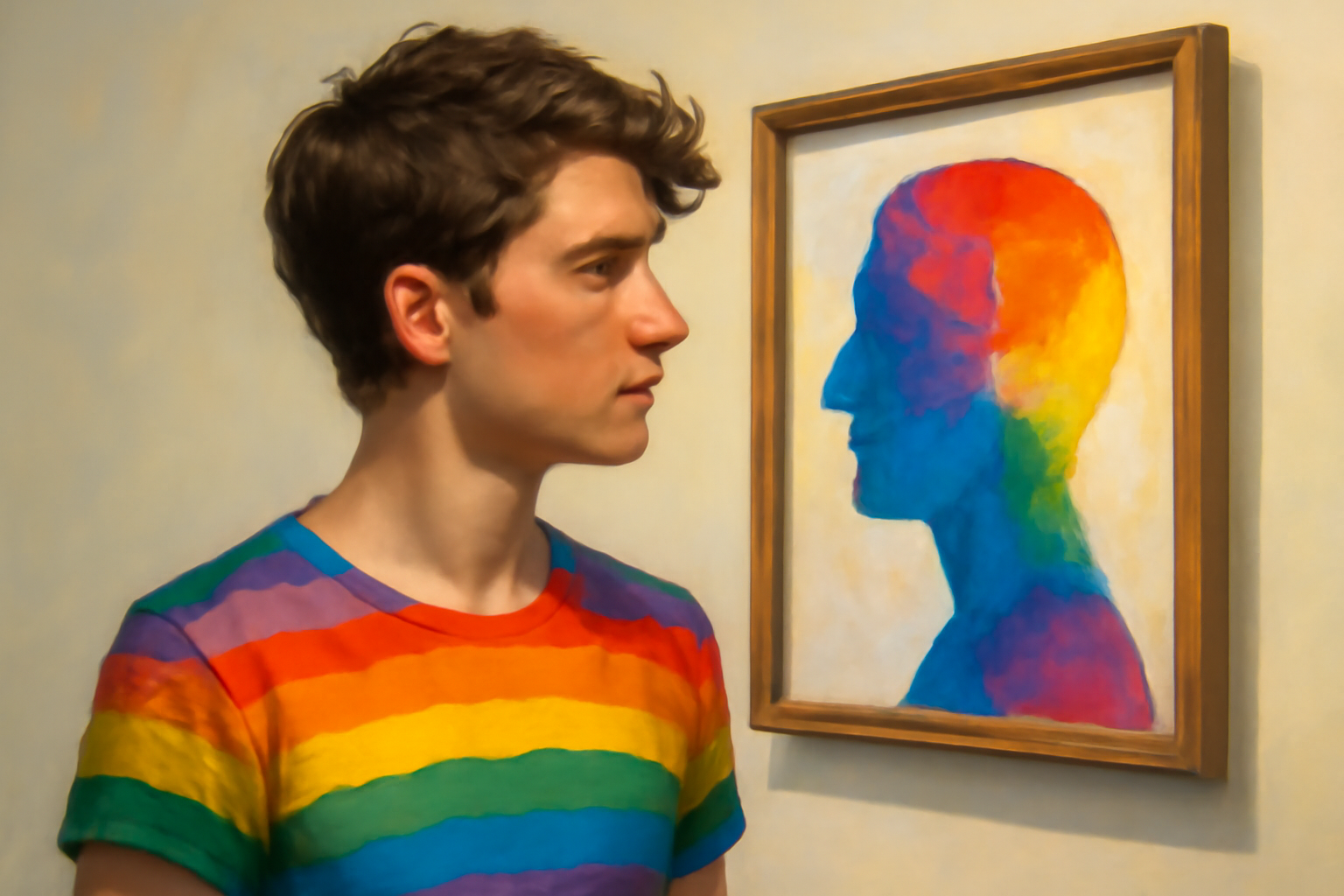
How art reflects who we are
Artists have been on this quest forever, using their work as a vehicle—a personal journey, if you will—into themes that touch on everything from sexual orientation and gender identity. It doesn't matter if we're talking about ancient pottery or modern canvases; art has empowered people by expressing inner worlds and pushing back against prevailing norms. Across different cultures and times, you'll find images and stories that present a richer tapestry than what mainstream narratives might suggest.A look back at queer art through time
Think about Ancient Greece. It openly celebrated same-sex relationships in its art, as seen on pottery and in sculptures, and these weren't just hidden messages but a reflection, in many ways, that mirrored societal norms back then. Fast forward a bit, and in renaissance times, art subtly dove deeper, exploring homoerotic themes and pushing emotional and social envelopes. By hitting up on more recent history, say in 19th and 20th centuries, you'll see a different type. Writers like Oscar Wilde and Virginia Woolfe, or painters like Frida Kahlo, were giving a nod—sometimes subtle, sometimes bold—toward queerness in their creative works. They were carving out spaces on pages and canvases that talked about complex identities, long before it was openly acknowledged.The journey and growth in queer art
When you look at how LGBTQ+ rights have taken a firm hold, especially in recent decades, art has become a beacon—a platform not just existing but thriving on visibility and activism. The '60s and '70s? That was Andy Warhol and Robert Mapplethorpe's playground, throwing social commentary and societal issues right back in our faces through their art. Warhol, with his iconic style, and Mapplethorpe, with his raw and intense photography, expanded what mainstream art could say about identity and sexuality. Today, artists like Zanele Muholi and Kehinde Wiley are riding this wave, using their mediums not just as a canvas but a stage—loud and unapologetic in highlighting Black queer identity and smashing stereotypes. They're not just creating art; they're weaving stories that challenge conventional narratives and broaden our perspectives.Why queer art matters
It's hard not understate how queer art has shaped public perceptions and fostered a greater understanding and acceptance. By bringing these narratives out from behind closed doors and onto gallery walls—or wherever they'll be seen—it helps create a sense not just belonging, but community. It's an emotional lifeline, a sense that you aren't alone in your experiences. Art will always have its finger on society's pulse. By embracing queer art, we're not just looking back at a colorful and disruptive past; we're paving a path toward a more inclusive future. This history isn't just a footnote; it's a testament. Queer artists have shaped our understanding, challenged our perceptions, and importantly—made sure all voices are heard and celebrated. Art, in its essence, will forever reflect our stories—our struggles, our victories, and everything in between. As we keep moving forward, this ongoing dialogue between art and identity will remain as vital as ever, continuing its role in our cultural narrative.Related Posts
Supreme Court to Address State Bans on Trans Women in Female Sports
The upcoming U.S. Supreme Court term promises to be a pivotal moment for transgender rights, as the nation's highest court has agreed to evaluate whether states have the authority to prohibit transgender women from participating in female sports competitions. This case, scheduled to be argued in the next term beginning October, is expected to have a significant impact on the future of sports inclu [...]
Megan Rapinoe and Sue Bird Announce Amicable Separation After Ten Years Together
In a heartfelt announcement that resonated deeply within the sports and LGBTQ+ communities, soccer star Megan Rapinoe and basketball legend Sue Bird have revealed their decision to part ways after nearly a decade together. The couple, who have been icons both on and off the field, shared the news with their fans through a joint statement on social media, expressing that the choice was made with mu [...]
Groundbreaking Ruling Ends Sodomy Ban for Police and Military in the Dominican Republic
The Constitutional Court of the Dominican Republic recently delivered a landmark decision on November 18th, ruling that the nation’s police and armed forces are not permitted to criminalize consensual same-sex relations among their personnel. This pivotal ruling is a significant stride towards equality and the protection of LGBTQ+ rights within these institutions. A Resounding Victory for Equal [...]