
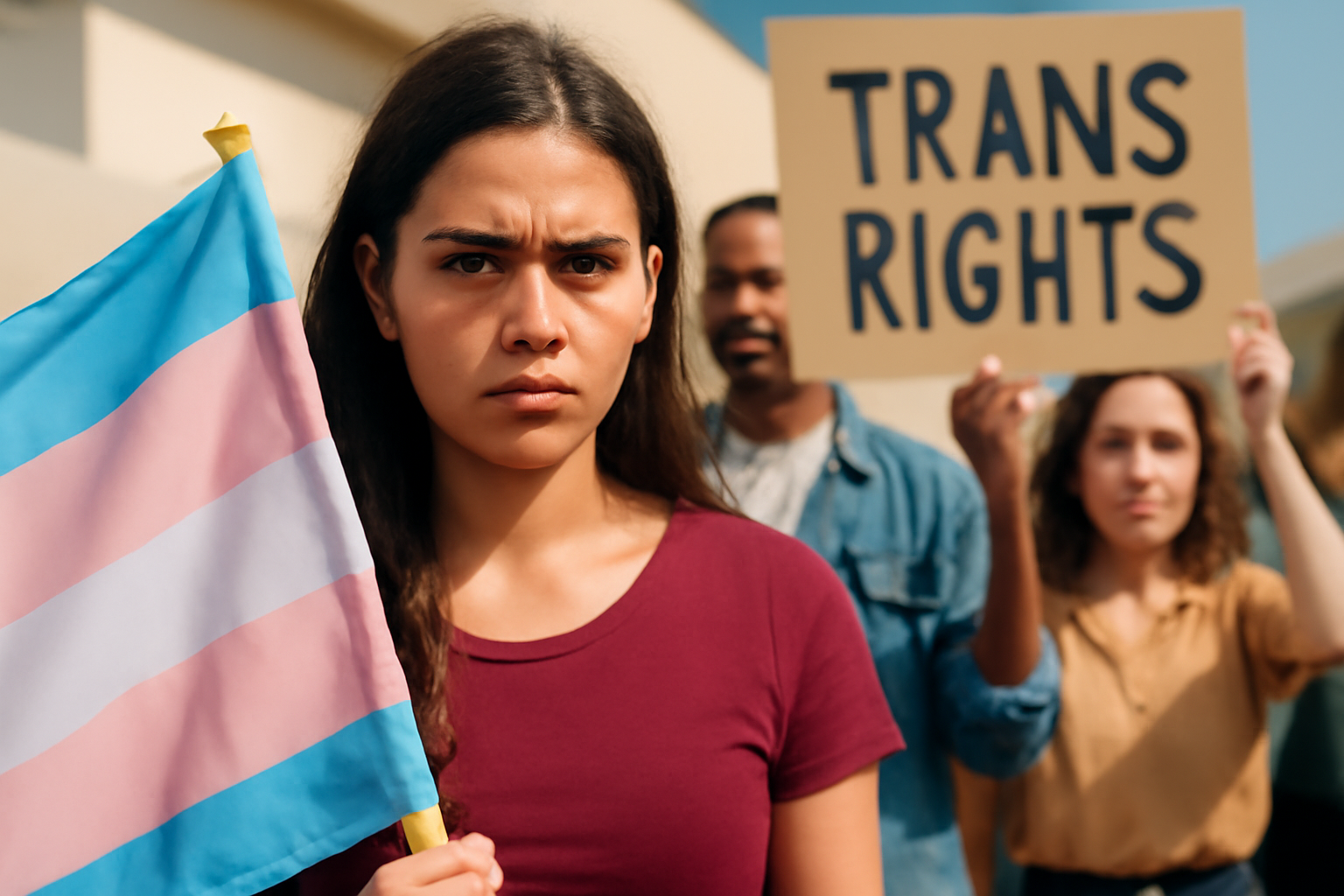
Puerto Rico's new law on gender-affirming healthcare
Recently, Puerto Rico took a controversial step by banning gender-affirming healthcare services, such as hormone therapy and surgeries, from being provided until an individual reaches 21 years old. This decision has sparked a storm, drawing sharp criticism from LGBTQ+ advocates and medical experts. Many view this move as a major blow against LGBTQ+ rights in this Caribbean territory.
Breaking down what this means
Back on July 16, Governor Jennifer González-Colón signed off on this contentious bill. It makes providing gender-affirming treatments illegal if you're under 21. Though such treatments aren't typically given at a young age, this law has stirred quite a debate.
Doctors who offer gender-affirming care below this age limit now risk hefty penalties. We're talking fines up $50,000 and even jail time up 15 years. Additionally, any public funds can't be used on transgender healthcare services if you're under 21.
The law claims it's about protecting minors who "haven't reached full emotional, cognitive, and physical maturity," implying they might make decisions with lasting impacts. The state believes it should safeguard their overall well-being.
How age rules play a part
Puerto Rico's age threshold, known as its age majority, sits at 21. That's a notch higher than many places where adulthood officially starts at 18. This makes Puerto Rico among those with stricter laws concerning gender-affirming care access.
Community uproar: Outrage and legal battles
The response? A wave backlash from multiple fronts, including Puerto Rico's LGBTQ+ Federation. Their director, Justin Jesús Santiago, didn't mince words, slamming this move as "cruel and inhumane." He plans challenge it in court, saying it unfairly targets healthcare professionals dedicated providing essential care.
Doctors and health institutions are also speaking up, appealing governor's decision. They argue it essentially strips transgender youth's access vital healthcare, putting their health at risk.
Seeing through a national lens
Puerto Rico's not alone this trend. Over a half dozen U.S. states have tried banning gender-affirming care young folks under 19, spurring heated debates and legal pushbacks nationwide.
The Human Rights Campaign (HRC) notes many transgender teens, aged 13-17, live in states where such access restrictions exist. In some cases, like Arkansas and Montana, courts have temporarily halted these laws.
The doctor's take on gender-affirming care
Among healthcare professionals, gender-affirming care's seen as essential. The Human Rights Campaign stresses it's "age-appropriate and medically necessary" a lifeline many transgender, non-binary, and gender-expansive individuals facing gender dysphoria.
America's top medical associations, representing over a million doctors, back gender-affirming care with years research support. They argue withholding it could jeopardize trans youth's health and cut off safe, necessary interventions.
Wrapping up: The ongoing fight trans rights
As scrutiny grows over Puerto Rico's new law, discussions surrounding transgender healthcare continue intensifying locally and across nation. Advocacy groups, alongside medical professionals, remain committed defending transgender youth's right access essential care. This struggle highlights broader challenges LGBTQ+ community faces in quest equal rights and vital services.
Related Posts
Supreme Court to Address State Bans on Trans Women in Female Sports
The upcoming U.S. Supreme Court term promises to be a pivotal moment for transgender rights, as the nation's highest court has agreed to evaluate whether states have the authority to prohibit transgender women from participating in female sports competitions. This case, scheduled to be argued in the next term beginning October, is expected to have a significant impact on the future of sports inclu [...]
Megan Rapinoe and Sue Bird Announce Amicable Separation After Ten Years Together
In a heartfelt announcement that resonated deeply within the sports and LGBTQ+ communities, soccer star Megan Rapinoe and basketball legend Sue Bird have revealed their decision to part ways after nearly a decade together. The couple, who have been icons both on and off the field, shared the news with their fans through a joint statement on social media, expressing that the choice was made with mu [...]
Groundbreaking Ruling Ends Sodomy Ban for Police and Military in the Dominican Republic
The Constitutional Court of the Dominican Republic recently delivered a landmark decision on November 18th, ruling that the nation’s police and armed forces are not permitted to criminalize consensual same-sex relations among their personnel. This pivotal ruling is a significant stride towards equality and the protection of LGBTQ+ rights within these institutions. A Resounding Victory for Equal [...]