
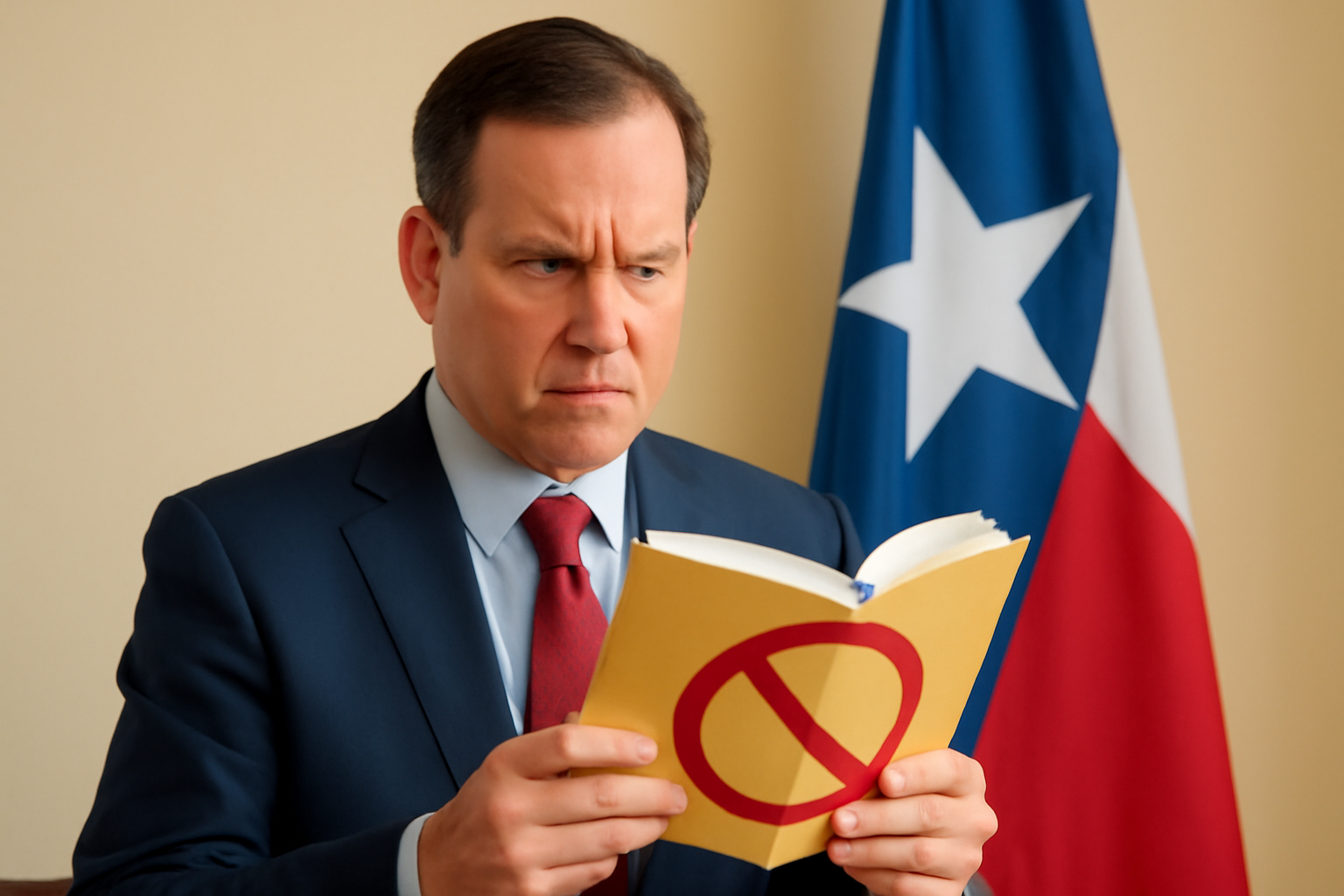
In recent developments, the Texas state legislature is considering a controversial bill that could have a significant impact on literary and educational content across the state. The proposed legislation aims to regulate how books and other materials with 'sexual content' are handled within schools and libraries, igniting a debate about censorship, free speech, and the role of education in society.
Understanding the Bill
The bill, formally known as SB XYZ, seeks to criminalize the distribution of books or materials that include certain types of sexual content in educational settings. The legislation specifies that any book or instructional material containing what it deems 'inappropriate' sexual content would be subject to removal from school libraries and classrooms. Moreover, educators or librarians who distribute such materials could face legal penalties. This has sparked widespread concern among educators, authors, and free speech advocates who fear the bill could lead to excessive censorship.
The bill's proponents argue that it is necessary to protect young students from exposure to sexually explicit content that is inappropriate for their age. They believe that parents should have a greater say in the type of material their children are exposed to in public schools. However, critics argue that the bill's language is overly broad and vague, which could result in the banning of a wide array of literary works, including classic literature and books that address important social issues.
Implications for Education and Literature
One of the primary concerns regarding this bill is its potential impact on educational freedom and intellectual exploration. Books have long been a vital tool in teaching students about the complexities of the world, including issues related to gender, sexuality, and identity. Many educators worry that the bill could prevent students from accessing important narratives that foster understanding and empathy.
Classic literary works, such as those by authors like James Baldwin, Toni Morrison, and more, which explore themes of identity and sexuality, could be at risk of being removed from curricula. These works are often integral to discussions about history, culture, and human rights. By limiting access to such literature, critics argue that the bill could stifle critical thinking and cultural awareness among students.
Censorship and Free Speech Concerns
The proposed legislation has also raised significant concerns about censorship and the suppression of free speech. Many opponents view the bill as part of a broader trend toward restricting freedom of expression in educational settings. Organizations advocating for free speech have voiced strong opposition to the bill, emphasizing that it infringes on First Amendment rights by imposing unreasonable restrictions on what can be taught and read in schools.
Moreover, there is a fear that the bill could set a precedent, leading to further attempts to control educational content based on subjective moral standards. This could result in a chilling effect where educators and librarians preemptively avoid controversial subjects to evade legal repercussions, thereby limiting the scope of education in Texas.
Community and Author Reactions
The LGBTQ+ community, in particular, has expressed concern over the implications of such legislation. Many LGBTQ+ authors write about topics related to identity and sexuality, offering vital perspectives that enrich societal understanding. The proposed restrictions could disproportionately affect works that represent and affirm LGBTQ+ experiences, further marginalizing these voices.
Authors and publishers have joined in opposition to the bill, fearing that it could hinder the publication and distribution of diverse stories. Many have expressed the importance of maintaining a diverse literary landscape that reflects a wide array of experiences and viewpoints, arguing that such diversity is essential for fostering a more inclusive society.
The Road Ahead
As the Texas legislature debates the bill, advocacy groups and concerned citizens continue to rally against it. They argue that educational environments should encourage exploration and discourse, not limit them. The outcome of this legislative battle could have far-reaching consequences for schools and libraries in Texas and potentially influence similar actions in other states.
In a world where diverse narratives are crucial for understanding one another, many hope that lawmakers will consider the broader implications of the bill and strive to protect the right to read, learn, and grow freely. As the debate continues, the importance of standing up for educational freedom and resisting censorship remains at the forefront of this crucial issue.
Related Posts
Supreme Court to Address State Bans on Trans Women in Female Sports
The upcoming U.S. Supreme Court term promises to be a pivotal moment for transgender rights, as the nation's highest court has agreed to evaluate whether states have the authority to prohibit transgender women from participating in female sports competitions. This case, scheduled to be argued in the next term beginning October, is expected to have a significant impact on the future of sports inclu [...]
Megan Rapinoe and Sue Bird Announce Amicable Separation After Ten Years Together
In a heartfelt announcement that resonated deeply within the sports and LGBTQ+ communities, soccer star Megan Rapinoe and basketball legend Sue Bird have revealed their decision to part ways after nearly a decade together. The couple, who have been icons both on and off the field, shared the news with their fans through a joint statement on social media, expressing that the choice was made with mu [...]
Groundbreaking Ruling Ends Sodomy Ban for Police and Military in the Dominican Republic
The Constitutional Court of the Dominican Republic recently delivered a landmark decision on November 18th, ruling that the nation’s police and armed forces are not permitted to criminalize consensual same-sex relations among their personnel. This pivotal ruling is a significant stride towards equality and the protection of LGBTQ+ rights within these institutions. A Resounding Victory for Equal [...]