
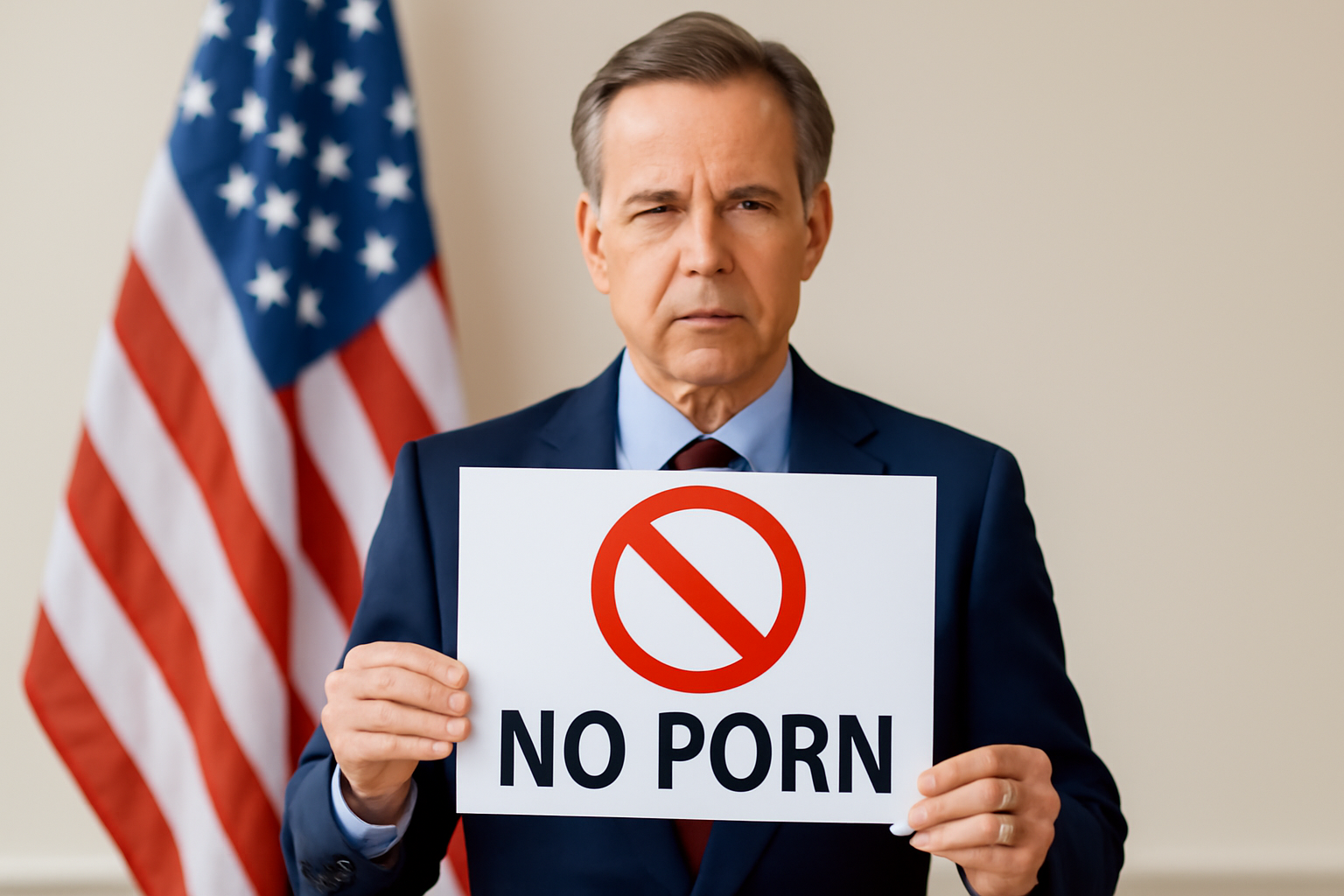
Understanding what's on these lawmakers' minds
So, what's driving this proposed legislation? It's mainly about how easily youngsters can stumble upon explicit material online. Supporters argue that unfiltered access can harm kids' development and warp societal norms. They see a nationwide ban as necessary armor, protecting families and creating a healthier online space.
But, there's another side. Critics fear this could be a step too far, infringing on personal rights and leading us down a path where all sorts could get censored under broad definitions.
What it means if you're a consumer or in business
If this law comes through, it could shake things up majorly, both personally and economically. For folks who view adult content privately, expect tight restrictions. Meanwhile, those in adult entertainment industries might face daunting legal and financial barriers.
Remember, this industry isn't small potatoes; it's a hefty slice that adds billions and jobs. The proposed crackdown could spell job losses and push this sector underground, potentially making it unsafe.
The tug-of-war between censorship and free speech
The ban brings up larger worries about freedom and censorship. Civil liberties groups fear it could open doors wide open, inviting more speech limitations. The heart here lies in juggling societal values against personal freedom.
The internet's a melting pot, offering all sorts who add color and diversity. Detractors argue that cutting adult content might dim these voices. Plus, not all adult content's purely explicit—educational and artistic pieces might unjustly get swept up too.
Eyeing a worldwide ripple and tech hurdles
On a global scale, if this ban passes, it could change how other nations look at web content regulation. Digital rights folks warn that a major U.S. move might trigger similar efforts elsewhere, fragmenting our global web with more censorship.
And let's not ignore tech barriers. Given how scattered and limitless online content can be, pulling off a comprehensive ban's no cakewalk. Hosting and accessing content crosses borders, making full regulation tricky.
Charting a course that respects all sides
As this debate swirls, it can't just be a shouting match. We need everyone—legislators, rights advocates, industry folks, and everyday people—to have a heart-to-heart about finding a fair route forward. While those pushing this bill have real concerns, any fix should balance safety and freedom artfully.
In essence, this talk about adult content regulation touches deeper chords like privacy and personal choice in our ever-evolving online lives. How we tackle these hurdles will shape our internet and freedoms in this age.
So, as this legislative process unfolds, staying in-the-know and vocal's vital. It's on us all, ensuring any step we take aligns with fairness while respecting our colorful, varied community.
The tug-of-war between censorship and free speech
The ban brings up larger worries about freedom and censorship. Civil liberties groups fear it could open doors wide open, inviting more speech limitations. The heart here lies in juggling societal values against personal freedom.
The internet's a melting pot, offering all sorts who add color and diversity. Detractors argue that cutting adult content might dim these voices. Plus, not all adult content's purely explicit—educational and artistic pieces might unjustly get swept up too.
Eyeing a worldwide ripple and tech hurdles
On a global scale, if this ban passes, it could change how other nations look at web content regulation. Digital rights folks warn that a major U.S. move might trigger similar efforts elsewhere, fragmenting our global web with more censorship.
And let's not ignore tech barriers. Given how scattered and limitless online content can be, pulling off a comprehensive ban's no cakewalk. Hosting and accessing content crosses borders, making full regulation tricky.
Charting a course that respects all sides
As this debate swirls, it can't just be a shouting match. We need everyone—legislators, rights advocates, industry folks, and everyday people—to have a heart-to-heart about finding a fair route forward. While those pushing this bill have real concerns, any fix should balance safety and freedom artfully.
In essence, this talk about adult content regulation touches deeper chords like privacy and personal choice in our ever-evolving online lives. How we tackle these hurdles will shape our internet and freedoms in this age.
So, as this legislative process unfolds, staying in-the-know and vocal's vital. It's on us all, ensuring any step we take aligns with fairness while respecting our colorful, varied community.
Charting a course that respects all sides As this debate swirls, it can't just be a shouting match. We need everyone—legislators, rights advocates, industry folks, and everyday people—to have a heart-to-heart about finding a fair route forward. While those pushing this bill have real concerns, any fix should balance safety and freedom artfully. In essence, this talk about adult content regulation touches deeper chords like privacy and personal choice in our ever-evolving online lives. How we tackle these hurdles will shape our internet and freedoms in this age. So, as this legislative process unfolds, staying in-the-know and vocal's vital. It's on us all, ensuring any step we take aligns with fairness while respecting our colorful, varied community.
Related Posts
Supreme Court to Address State Bans on Trans Women in Female Sports
The upcoming U.S. Supreme Court term promises to be a pivotal moment for transgender rights, as the nation's highest court has agreed to evaluate whether states have the authority to prohibit transgender women from participating in female sports competitions. This case, scheduled to be argued in the next term beginning October, is expected to have a significant impact on the future of sports inclu [...]
Megan Rapinoe and Sue Bird Announce Amicable Separation After Ten Years Together
In a heartfelt announcement that resonated deeply within the sports and LGBTQ+ communities, soccer star Megan Rapinoe and basketball legend Sue Bird have revealed their decision to part ways after nearly a decade together. The couple, who have been icons both on and off the field, shared the news with their fans through a joint statement on social media, expressing that the choice was made with mu [...]
Groundbreaking Ruling Ends Sodomy Ban for Police and Military in the Dominican Republic
The Constitutional Court of the Dominican Republic recently delivered a landmark decision on November 18th, ruling that the nation’s police and armed forces are not permitted to criminalize consensual same-sex relations among their personnel. This pivotal ruling is a significant stride towards equality and the protection of LGBTQ+ rights within these institutions. A Resounding Victory for Equal [...]