
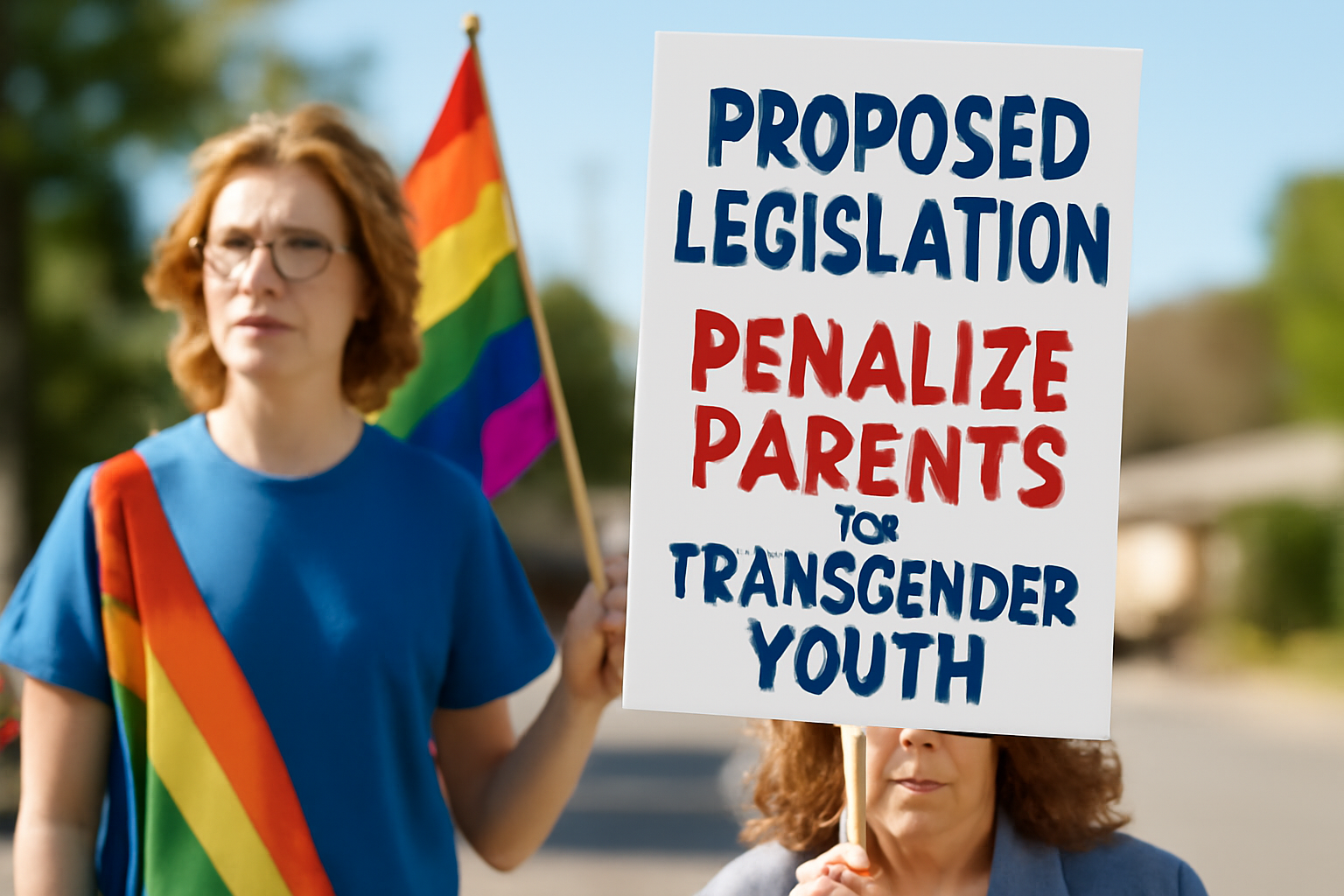
In a controversial move, a Republican legislator in Montana has introduced a bill that aims to criminalize parents who support their transgender children in accessing gender-affirming care. The proposed legislation has sparked widespread debate and concern among LGBTQ+ advocates, healthcare professionals, and families of transgender youth.
Overview of the Proposed Bill
The bill, put forth by State Representative John Doe, seeks to define parents who allow their children to receive gender-affirming medical treatments as committing "child abuse." This includes allowing minors to undergo hormone therapy or gender confirmation surgeries. Under the bill, such parents could face severe legal consequences, including the possibility of losing custody of their children.
Proponents of the bill argue that it is intended to protect children from making irreversible decisions at a young age. They claim that children and teenagers may not fully comprehend the long-term implications of undergoing medical transitions. However, critics argue that the bill is an attack on transgender rights and parental freedom.
Reactions from the LGBTQ+ Community
LGBTQ+ organizations and advocates have expressed outrage over the proposed legislation. They argue that the bill fails to recognize the medical and psychological consensus that supporting transgender youth through affirmation and appropriate medical care can significantly improve mental health outcomes.
"This bill is not about protecting children; it is about denying them necessary healthcare and support," said Jane Smith, director of a local LGBTQ+ advocacy group. "Transgender youth deserve the right to be themselves, and their parents should not be punished for loving and supporting them."
Healthcare Professionals Weigh In
Medical experts have also voiced their concerns regarding the implications of the bill. The American Academy of Pediatrics and other healthcare organizations emphasize the importance of gender-affirming care in supporting the well-being of transgender children. They warn that the bill could lead to increased rates of depression, anxiety, and suicide among transgender youth, who already face disproportionately high mental health challenges.
Dr. Alex Lee, a pediatric endocrinologist, stated, "Restricting access to gender-affirming care is detrimental to the health and well-being of transgender adolescents. These medical interventions are not taken lightly and involve thorough evaluation by multidisciplinary teams. Parents should be supported, not criminalized, for seeking the best care for their children."
Legal and Social Implications
If passed, the bill could set a precedent for similar legislation in other states, further marginalizing transgender individuals and their families. Legal experts warn that such laws could violate constitutional rights, including the right to privacy and equal protection under the law.
Families of transgender children in Montana are also concerned about the potential impact on their lives. Some parents fear that they may have to choose between the safety of their children and remaining in their home state. "We love our child unconditionally and will do whatever it takes to support them, even if it means moving to a more accepting state," said one concerned parent.
Call to Action
LGBTQ+ advocates are calling on community members and allies to speak out against the bill. They are urging people to contact their legislators, participate in rallies, and spread awareness about the importance of protecting the rights of transgender youth and their families.
As debate over the bill continues, the voices of those directly affected by the legislation remain crucial in shaping public opinion and policy. At its core, the discussion is about the fundamental rights of children and parents to seek and receive appropriate and supportive care.
The future of this bill remains uncertain, but its introduction has certainly ignited a passionate discussion about the rights and protections afforded to transgender youth and their families in Montana and beyond.
Related Posts
Supreme Court to Address State Bans on Trans Women in Female Sports
The upcoming U.S. Supreme Court term promises to be a pivotal moment for transgender rights, as the nation's highest court has agreed to evaluate whether states have the authority to prohibit transgender women from participating in female sports competitions. This case, scheduled to be argued in the next term beginning October, is expected to have a significant impact on the future of sports inclu [...]
Megan Rapinoe and Sue Bird Announce Amicable Separation After Ten Years Together
In a heartfelt announcement that resonated deeply within the sports and LGBTQ+ communities, soccer star Megan Rapinoe and basketball legend Sue Bird have revealed their decision to part ways after nearly a decade together. The couple, who have been icons both on and off the field, shared the news with their fans through a joint statement on social media, expressing that the choice was made with mu [...]
Groundbreaking Ruling Ends Sodomy Ban for Police and Military in the Dominican Republic
The Constitutional Court of the Dominican Republic recently delivered a landmark decision on November 18th, ruling that the nation’s police and armed forces are not permitted to criminalize consensual same-sex relations among their personnel. This pivotal ruling is a significant stride towards equality and the protection of LGBTQ+ rights within these institutions. A Resounding Victory for Equal [...]