
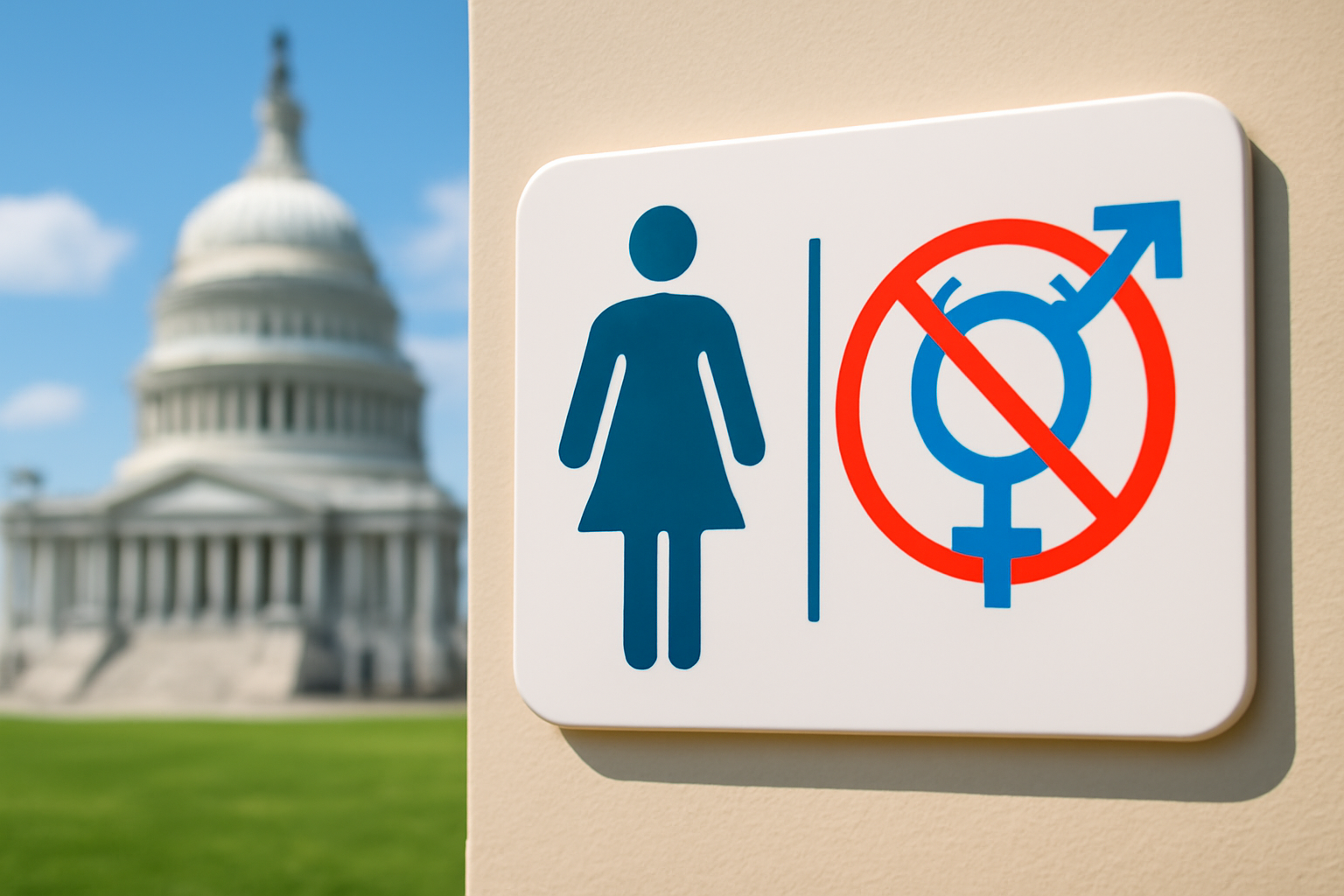
In the recent discussions about the House rules package, one proposal that caught significant attention was the suggested regulation concerning the use of Capitol Hill bathrooms by transgender individuals. This proposal, which sought to enforce restrictions on bathroom access based on gender assigned at birth, ultimately did not make it into the finalized House rules.
Background and Context
In recent years, debates surrounding the rights of transgender individuals have been at the forefront of political discourse in the United States. A particular area of contention has been the access to public facilities, such as restrooms, which has been a flashpoint in the broader discussion of transgender rights and recognition. Proponents of restrictive bathroom policies argue from a perspective of security and privacy, while opponents view such measures as discriminatory and harmful to transgender people.
The proposal at hand was brought forward with the intention of establishing clear rules regarding the use of bathrooms within Capitol buildings. It aimed to mandate that individuals must use the restroom corresponding to the gender they were assigned at birth, rather than their gender identity. This raised immediate concerns among LGBTQ+ advocates and allies, who criticized the proposal as regressive and exclusionary.
Reactions from the LGBTQ+ Community
Upon learning of the proposed bathroom restrictions, many LGBTQ+ advocacy groups voiced their opposition. These organizations argued that such measures would not only marginalize transgender individuals but also pose significant risks to their safety and well-being. Transgender people already face high levels of discrimination and harassment, and restrictive bathroom policies exacerbate these challenges by denying them the right to use facilities that align with their gender identity.
Critics of the proposal emphasized the importance of inclusive policies that respect and affirm the identities of all individuals. They argued that enforcing bathroom restrictions based on gender assigned at birth is not only impractical but also deeply invasive, as it undermines the dignity and autonomy of transgender people.
The Legislative Process and Outcome
The proposal was initially put forward as part of a broader set of amendments to the House rules package. However, after much debate and consideration, it was ultimately excluded from the final version of the package. This decision was welcomed by many who viewed the exclusion as a step in the right direction for inclusion and equality within government institutions.
Supporters of transgender rights saw the failure of the proposal as a victory, reflecting a growing awareness and acceptance of transgender issues among lawmakers. The decision not to include the bathroom restrictions in the House rules package was seen as an acknowledgment of the importance of ensuring equal rights and protections for all individuals, regardless of their gender identity.
Looking Ahead
While the exclusion of this proposal from the House rules package is a positive development for transgender rights, advocates emphasize that there is still much work to be done. The ongoing fight for equality and recognition for transgender individuals requires continued vigilance and advocacy, both within legislative bodies and in society at large.
Moving forward, it is crucial for allies and advocates to remain active in supporting policies that promote inclusivity and protect the rights of transgender people. This includes not only opposing discriminatory measures but also working toward comprehensive legal protections that affirm the identities and dignity of transgender individuals.
As public awareness and understanding of transgender issues continue to evolve, so too does the potential for meaningful change. The recent developments regarding Capitol bathroom policies serve as a reminder of the importance of advocacy and the impact of collective action in the pursuit of justice and equality for all.
Related Posts
Supreme Court to Address State Bans on Trans Women in Female Sports
The upcoming U.S. Supreme Court term promises to be a pivotal moment for transgender rights, as the nation's highest court has agreed to evaluate whether states have the authority to prohibit transgender women from participating in female sports competitions. This case, scheduled to be argued in the next term beginning October, is expected to have a significant impact on the future of sports inclu [...]
Megan Rapinoe and Sue Bird Announce Amicable Separation After Ten Years Together
In a heartfelt announcement that resonated deeply within the sports and LGBTQ+ communities, soccer star Megan Rapinoe and basketball legend Sue Bird have revealed their decision to part ways after nearly a decade together. The couple, who have been icons both on and off the field, shared the news with their fans through a joint statement on social media, expressing that the choice was made with mu [...]
Groundbreaking Ruling Ends Sodomy Ban for Police and Military in the Dominican Republic
The Constitutional Court of the Dominican Republic recently delivered a landmark decision on November 18th, ruling that the nation’s police and armed forces are not permitted to criminalize consensual same-sex relations among their personnel. This pivotal ruling is a significant stride towards equality and the protection of LGBTQ+ rights within these institutions. A Resounding Victory for Equal [...]