
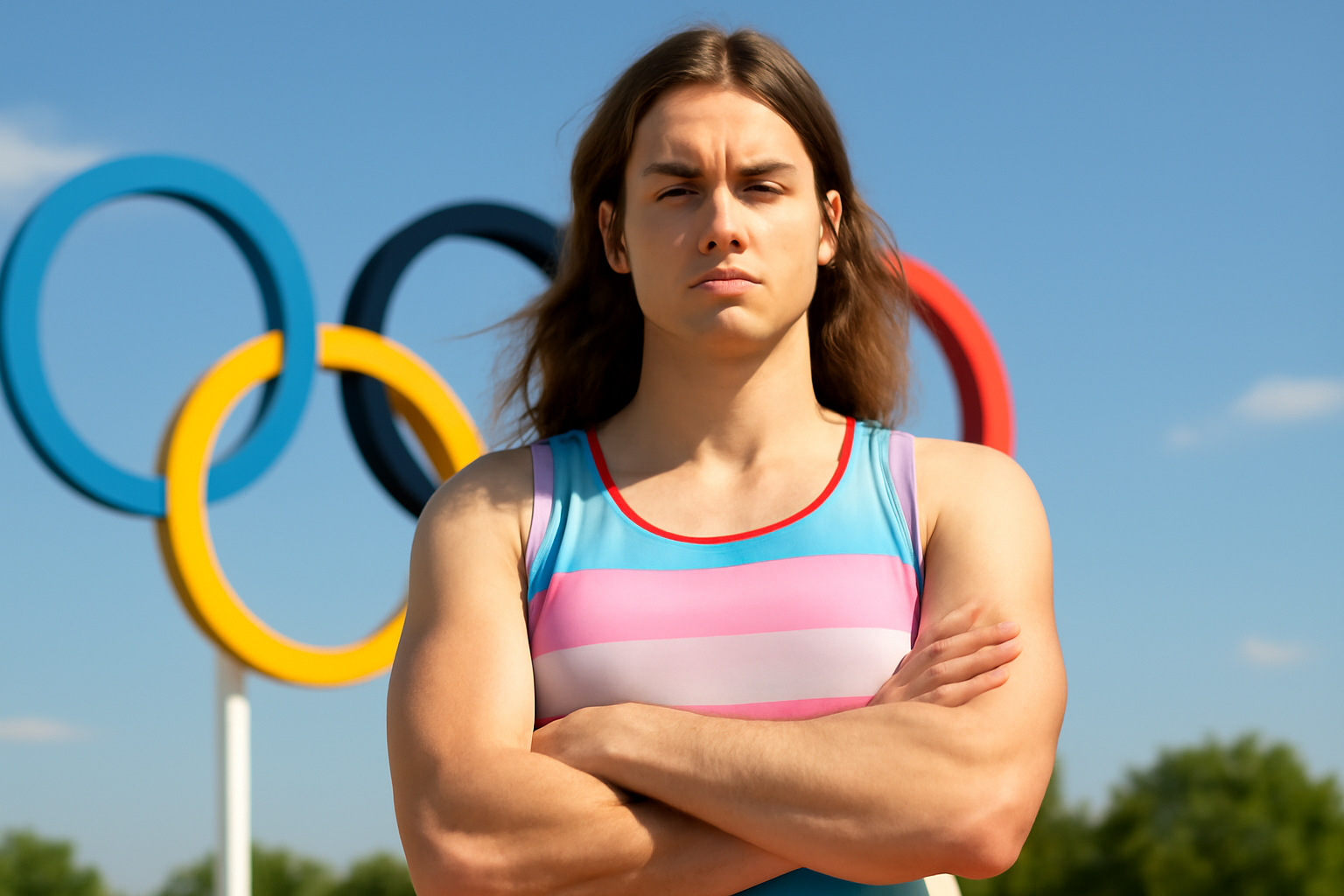
The question about whether transgender athletes should be allowed in international sports has kicked off a heated debate within sporting circles. Recently, there was a suggestion that transgender athletes be banned from competing in events like those at 2028 Olympic Games. Naturally, this idea has stirred up a lot among sports fans and members within LGBTQ+ communities, as it challenges our understanding and values around fairness, inclusion, and what competitive sports truly mean.
the controversial proposal and its impact
Should this proposal move forward, we'd see a major shift in how policies govern international sports events. Those in favor claim it's necessary if we want a fair playing field, highlighting concerns about transgender women possibly having physical advantages over cisgender women.
But on another side, critics say this misses key aspects, like gender identity complexities and why inclusion in sports matters. They point out that current International Olympic Committee (IOC) rules do let transgender women compete if they meet specific hormone criteria.
perspectives from within LGBTQ+ communities
The idea has been strongly opposed by LGBTQ+ advocacy groups, who see it as a step back in recognizing and respecting transgender rights. "Transgender athletes belong in sports, just like everyone else," a key advocate firmly states. "This isn't about fairness; it's about exclusion and discrimination."
Many worry this could set off a domino effect, leading other areas like workplaces or schools down a restrictive path. For them, sports should be a stage where transgender individuals can gain visibility and acceptance.
the ongoing scientific debate
The heartland issue here revolves around scientific debates on physiological differences between transgender and cisgender athletes. Some studies show that transgender women on hormone therapy might not have a competitive edge, while others suggest there could be one.
This division in scientific opinion makes policy-making tricky. Sports bodies, including IOC, rely on evolving research, aiming that balance between being inclusive and fair competition. So, how much should science steer these policies?
policy, governance, and societal values
Sports governance means setting rules that mirror what society values. This debate around transgender athletes ties back even bigger questions about gender identity, rights, and equality as a whole.
While some argue sports should focus only on competition and stay out from politics or social causes, others see sports as a critical path toward greater inclusivity and diversity. Governing bodies have a tough job in ensuring all athletes' rights are respected while keeping competition honest. The IOC's present guidelines, like requiring transgender athletes maintain certain hormone levels, are attempts at striking this balance.
the future and inclusion in sports
With 2028 Olympics drawing closer, these discussions on transgender athletes' participation will undoubtedly intensify. As it stands, banning international transgender athletes hasn't been set in stone.
In coming years, stakeholders must commit engaging in open, constructive dialogues that sift through complexities surrounding sports inclusivity. This means truly listening when transgender athletes share their hurdles and successes at top competition levels.
This debate goes far beyond just sports; it speaks volumes about fostering a society that embraces diversity and inclusivity, sidelining outdated notions about gender and identity.
As this conversation moves forward, empathy, understanding, and fairness ought lead. This kind inclusive lens will help shape a future where all athletes, regardless gender identity, compete on truly equal ground.
Related Posts
Supreme Court to Address State Bans on Trans Women in Female Sports
The upcoming U.S. Supreme Court term promises to be a pivotal moment for transgender rights, as the nation's highest court has agreed to evaluate whether states have the authority to prohibit transgender women from participating in female sports competitions. This case, scheduled to be argued in the next term beginning October, is expected to have a significant impact on the future of sports inclu [...]
Megan Rapinoe and Sue Bird Announce Amicable Separation After Ten Years Together
In a heartfelt announcement that resonated deeply within the sports and LGBTQ+ communities, soccer star Megan Rapinoe and basketball legend Sue Bird have revealed their decision to part ways after nearly a decade together. The couple, who have been icons both on and off the field, shared the news with their fans through a joint statement on social media, expressing that the choice was made with mu [...]
Groundbreaking Ruling Ends Sodomy Ban for Police and Military in the Dominican Republic
The Constitutional Court of the Dominican Republic recently delivered a landmark decision on November 18th, ruling that the nation’s police and armed forces are not permitted to criminalize consensual same-sex relations among their personnel. This pivotal ruling is a significant stride towards equality and the protection of LGBTQ+ rights within these institutions. A Resounding Victory for Equal [...]