
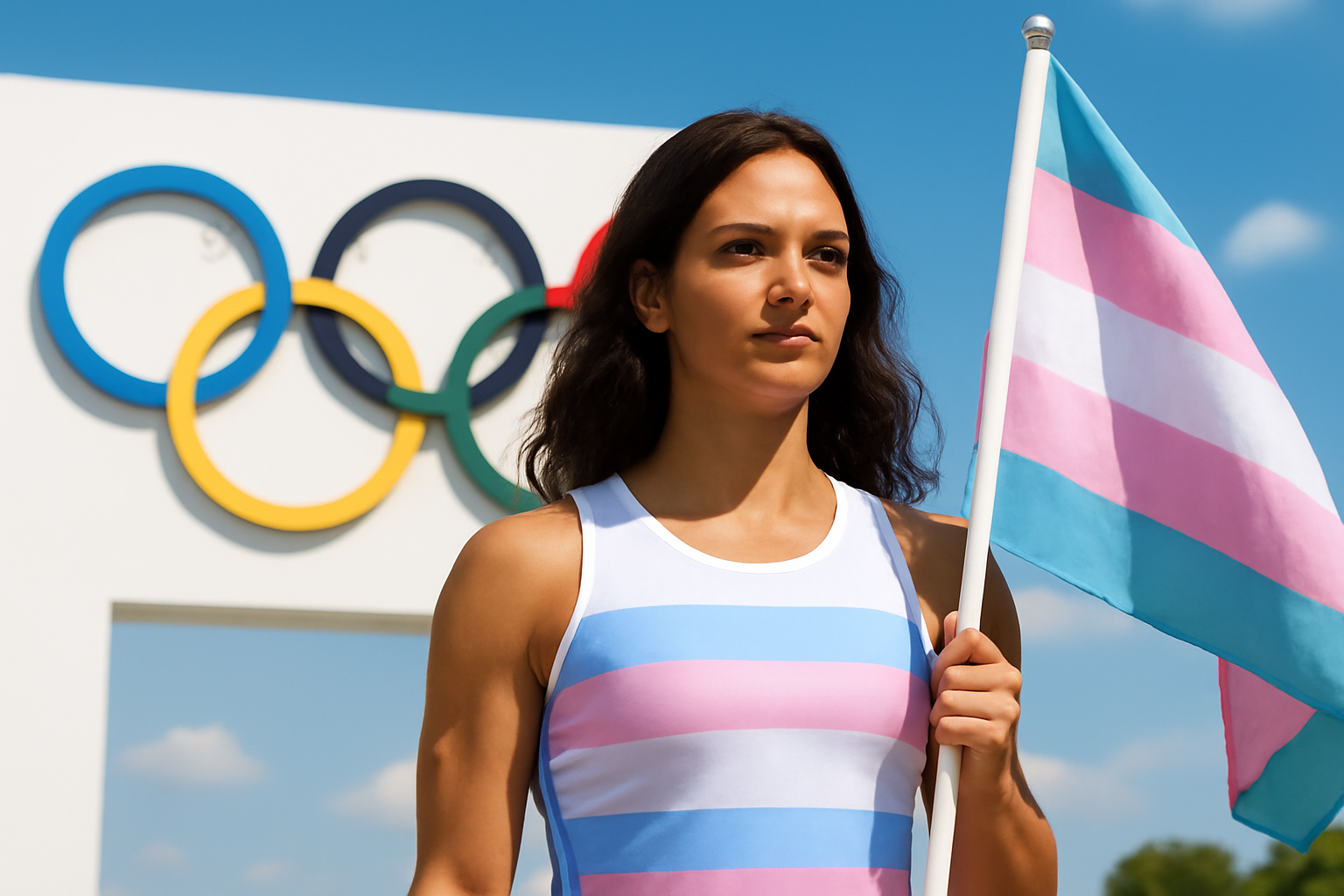
In recent discussions within international sports committees, a controversial proposal has emerged that aims to restrict the participation of transgender athletes in the Olympic Games. This proposal has sparked a global debate, raising questions about inclusivity, fairness, and the future of sports.
Background and Context
The International Olympic Committee (IOC) has long been at the forefront of discussions regarding gender identity and participation in sports. Over the years, the rules have evolved to become more inclusive, allowing transgender athletes to compete in categories that align with their gender identity. This has been a significant move towards ensuring that sports remain a space where everyone can participate equally.
However, the recent proposal has caused a stir. This initiative, purportedly backed by certain influential figures, seeks to impose restrictions on transgender athletes, particularly focusing on those who wish to compete in international events like the Olympic Games.
The Proposed Restrictions
The proposal suggests implementing stringent criteria for transgender athletes, particularly those transitioning from male to female. Advocates for this proposal argue that it is necessary to maintain a level playing field, citing concerns about physical advantages. However, critics argue that such measures are discriminatory and undermine the spirit of inclusivity that the Olympics stand for.
Under the current guidelines, transgender women can compete in women's events if their testosterone levels are below a certain threshold. The proposal suggests revising these guidelines to either further lower the allowable testosterone levels or to introduce a complete ban on transgender athletes competing in categories that align with their gender identity.
Impact on the LGBTQ+ Community
This proposal has had a ripple effect across the LGBTQ+ community. Many advocacy groups have voiced their concerns, stating that these measures are a setback for transgender rights. Organizations dedicated to promoting inclusivity in sports have been vocal in their opposition, highlighting the potential harm such policies could inflict on transgender athletes and their mental well-being.
Transgender athletes, who already face significant challenges in their personal and professional lives, may find these additional barriers disheartening. Competing at the Olympic level requires years of dedication and hard work; introducing new restrictions could mean that many talented athletes are deprived of the opportunity to showcase their skills on an international platform.
The Debate Over Fairness and Inclusivity
The discourse surrounding this proposal is emblematic of the broader debate over fairness and inclusivity in sports. Supporters of the restrictions argue that they are necessary to ensure fair competition, while opponents emphasize the importance of inclusivity and the recognition of athletes' gender identities.
Experts and sports scientists have also weighed in, noting that the science of testosterone and athletic performance is complex and not fully understood. They caution against making sweeping changes based on incomplete data, advocating instead for policies that balance fairness with inclusivity.
What Lies Ahead?
As the debate continues, the future for transgender athletes remains uncertain. The proposal is still under discussion, and it is unclear whether it will be adopted. However, what is clear is that this issue will remain a topic of contention within the sporting world for the foreseeable future.
For now, many are calling for a more nuanced approach, one that takes into account the lived experiences of transgender athletes and the complexities of gender identity. The hope is that the sports world can find a way to reconcile these issues, ensuring that the Olympic Games remain a stage for all athletes, regardless of their gender identity.
The coming months will likely see more discussions and debates as stakeholders from various sectors weigh in. As these conversations progress, the voices of transgender athletes and their allies will be crucial in shaping the policies that govern the future of sports.
In the spirit of the Olympic values of excellence, friendship, and respect, it is hoped that a solution can be reached that honors these principles and respects the rights of all athletes.
Related Posts
Supreme Court to Address State Bans on Trans Women in Female Sports
The upcoming U.S. Supreme Court term promises to be a pivotal moment for transgender rights, as the nation's highest court has agreed to evaluate whether states have the authority to prohibit transgender women from participating in female sports competitions. This case, scheduled to be argued in the next term beginning October, is expected to have a significant impact on the future of sports inclu [...]
Megan Rapinoe and Sue Bird Announce Amicable Separation After Ten Years Together
In a heartfelt announcement that resonated deeply within the sports and LGBTQ+ communities, soccer star Megan Rapinoe and basketball legend Sue Bird have revealed their decision to part ways after nearly a decade together. The couple, who have been icons both on and off the field, shared the news with their fans through a joint statement on social media, expressing that the choice was made with mu [...]
Groundbreaking Ruling Ends Sodomy Ban for Police and Military in the Dominican Republic
The Constitutional Court of the Dominican Republic recently delivered a landmark decision on November 18th, ruling that the nation’s police and armed forces are not permitted to criminalize consensual same-sex relations among their personnel. This pivotal ruling is a significant stride towards equality and the protection of LGBTQ+ rights within these institutions. A Resounding Victory for Equal [...]