
Background on the Situation
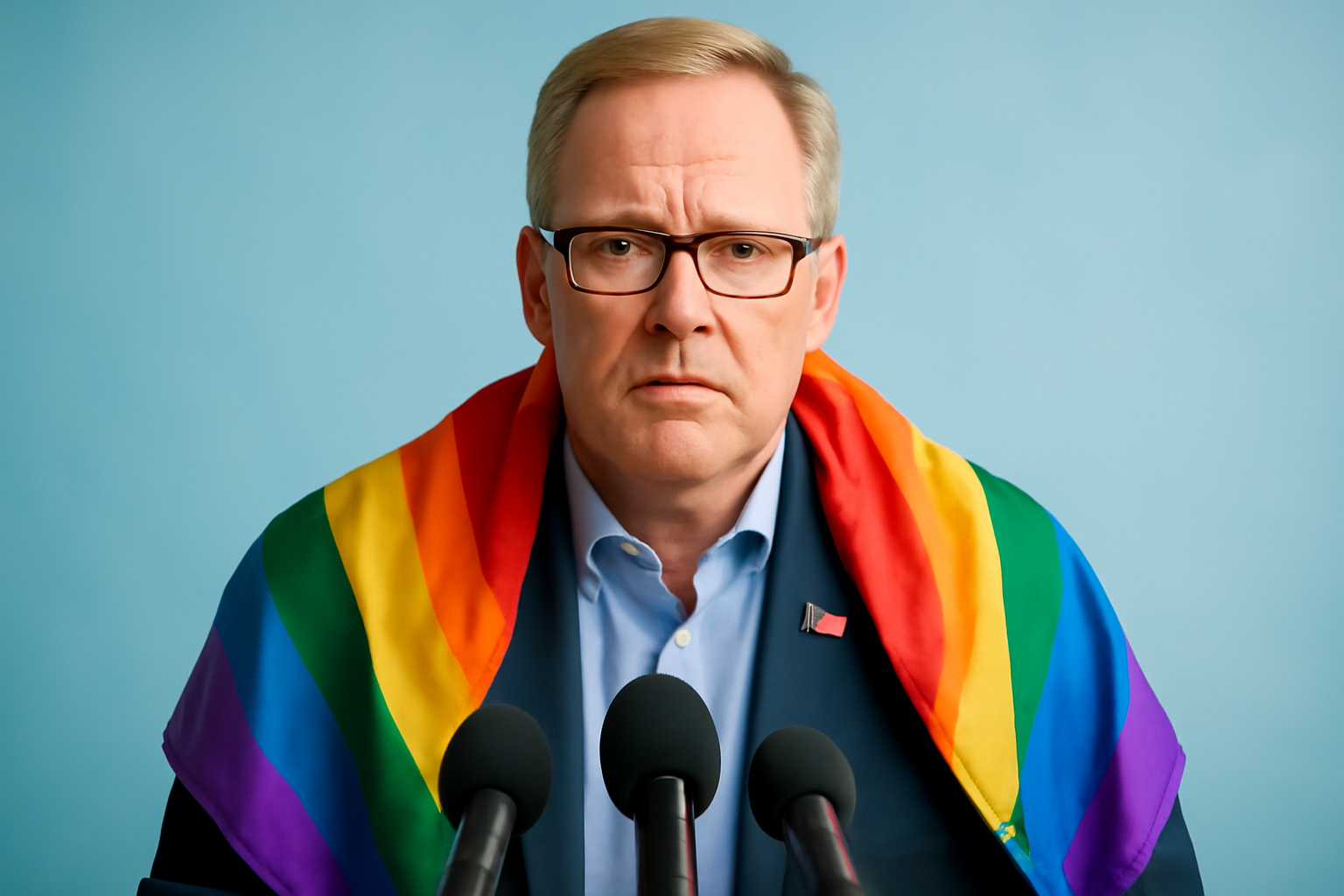
In recent weeks, a significant discussion has emerged within the LGBTQ+ community regarding comments made by a prominent religious leader. The remarks, perceived by many as controversial, have prompted a response from Scott Bessent, a notable figure and advocate within the LGBTQ+ community. Bessent, who has been both a vocal supporter of LGBTQ+ rights and a nominee for a governmental position, is calling for a public apology from the religious leader.
The Controversial Remarks
The remarks in question were made during a public event where the religious leader, known for holding traditional views, expressed opinions that many have interpreted as dismissive or critical of LGBTQ+ lifestyles. These comments quickly garnered attention, sparking a debate about the role of religious figures in public discussions about LGBTQ+ rights and acceptance.
Scott Bessent, who has a history of engaging with various communities to foster understanding and acceptance, expressed his disappointment with the comments. He articulated that such statements could be harmful, not only to individuals but to the broader movement for equality and acceptance.
Scott Bessent’s Response
Bessent has taken a proactive stance by publicly requesting that the religious leader issue a formal apology. In his statement, Bessent emphasized the importance of dialogue and understanding. He highlighted the need for leaders, especially those in influential positions, to be mindful of their words and the impact they can have on marginalized communities.
"Words have power," Bessent remarked in a recent interview. "When leaders speak, people listen, and it's crucial that their words promote understanding and not division. I hope that an apology can pave the way for a more constructive conversation about how we can all coexist and support one another, regardless of our differences."
Community Reactions
The call for an apology has been met with mixed reactions within the community. Many LGBTQ+ advocates and allies have rallied behind Bessent, applauding his courage to stand up against rhetoric that they feel is divisive. On social media, hashtags supporting Bessent's call have trended, with many expressing their solidarity and sharing personal stories of how similar comments have affected them.
However, there are also those who believe that the focus should not solely be on securing an apology but rather on creating ongoing dialogues that can lead to deeper mutual understanding. These voices suggest that while an apology can be a starting point, the ultimate goal should be to foster an environment where diverse perspectives can coexist peacefully.
The Importance of Dialogue
This incident underscores a broader issue within society: the need for continuous dialogue between different communities. As Bessent has pointed out, bridging gaps between differing viewpoints requires effort from all parties involved. It involves listening, understanding, and a willingness to learn from one another.
In his advocacy work, Bessent has consistently promoted the idea that dialogue can lead to significant societal change. He believes that by encouraging open conversations, communities can work together to address misconceptions and build a more inclusive society.
"We all have much to learn from each other," Bessent stated. "It's through respectful and open dialogue that we can hope to overcome differences and build a world where everyone feels valued and understood."
Moving Forward
As the discussion continues, it remains to be seen how the religious leader will respond to Bessent's call for an apology. Regardless of the outcome, this incident has sparked a valuable conversation about the role of leaders in shaping societal attitudes and the importance of thoughtful communication.
Bessent's request for an apology serves as a reminder of the power of advocacy and the ongoing struggle for equality and acceptance within the LGBTQ+ community. It highlights the need for continued efforts to promote understanding and respect across all facets of society.
For now, the focus remains on fostering a constructive dialogue that can lead to positive change. The hope is that by encouraging openness and empathy, communities can move towards a future where acceptance and understanding are the norm.
Related Posts
Supreme Court to Address State Bans on Trans Women in Female Sports
The upcoming U.S. Supreme Court term promises to be a pivotal moment for transgender rights, as the nation's highest court has agreed to evaluate whether states have the authority to prohibit transgender women from participating in female sports competitions. This case, scheduled to be argued in the next term beginning October, is expected to have a significant impact on the future of sports inclu [...]
Megan Rapinoe and Sue Bird Announce Amicable Separation After Ten Years Together
In a heartfelt announcement that resonated deeply within the sports and LGBTQ+ communities, soccer star Megan Rapinoe and basketball legend Sue Bird have revealed their decision to part ways after nearly a decade together. The couple, who have been icons both on and off the field, shared the news with their fans through a joint statement on social media, expressing that the choice was made with mu [...]
Groundbreaking Ruling Ends Sodomy Ban for Police and Military in the Dominican Republic
The Constitutional Court of the Dominican Republic recently delivered a landmark decision on November 18th, ruling that the nation’s police and armed forces are not permitted to criminalize consensual same-sex relations among their personnel. This pivotal ruling is a significant stride towards equality and the protection of LGBTQ+ rights within these institutions. A Resounding Victory for Equal [...]