
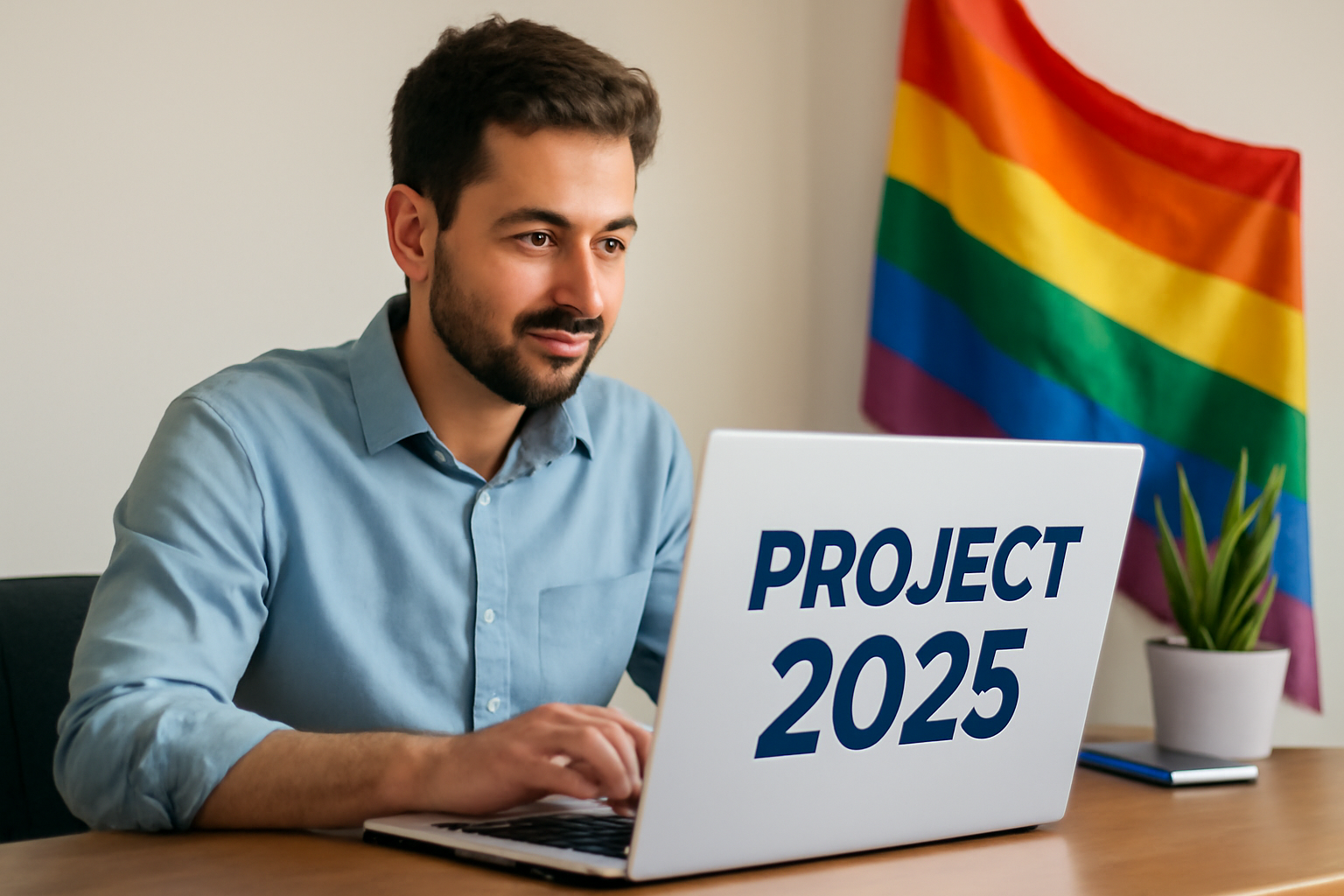
Introduction to Project 2025
In recent developments, a proposed initiative known as Project 2025 has surfaced, which aims to significantly alter the landscape of diversity, equity, and inclusion (DEI) within federal agencies. This initiative has sparked a significant amount of discussion across various communities, particularly those dedicated to advocating for LGBTQ+ rights and broader diversity efforts.
The Core Aspects of Project 2025
Project 2025 is reportedly part of a broader agenda intended to streamline federal operations and reduce expenditure. However, one of the most contentious aspects of this initiative is its approach to DEI programs and personnel. The proposal suggests a widespread reevaluation of roles dedicated to promoting diversity and inclusion across federal departments, which could result in substantial reductions in these positions.
This plan has been met with a mix of reactions. Proponents argue that it is a necessary step toward efficiency and a means to eliminate what they view as unnecessary bureaucracy. Critics, however, perceive it as a setback for the progress made in recent years toward a more inclusive and equitable workplace environment.
The Impact on LGBTQ+ Communities
The implications of Project 2025 extend beyond mere administrative restructuring. For LGBTQ+ individuals and allies, the potential reduction of DEI roles is particularly concerning. These positions are often pivotal in ensuring that federal workplaces are inclusive and respectful of diversity in gender identity, sexual orientation, race, and other important aspects of identity.
Many within the LGBTQ+ community fear that without dedicated advocates within the system, the rights and protections that have been arduously fought for could be undermined. Additionally, the removal of DEI positions might signal a broader cultural shift away from celebrating diversity in all its forms, which could have far-reaching consequences for workplace morale and inclusivity.
Reactions and Responses
The proposal has prompted a variety of responses from different sectors. LGBTQ+ advocacy groups and organizations focused on workplace equality have been vocal in their opposition, urging federal agencies and the public to recognize the value of diversity-focused roles. They argue that these positions are not merely symbolic but are critical in fostering an environment where all employees can thrive free of discrimination and bias.
On platforms such as social media, activists and concerned citizens have highlighted personal stories and testimonies that underscore the importance of having DEI officers. These narratives often illustrate how these roles have contributed to positive changes within federal workplaces, helping to cultivate spaces that respect and celebrate individual differences.
Potential Outcomes and Future Considerations
Looking ahead, the future of Project 2025 and its impact on DEI initiatives remain uncertain. Should the proposal move forward, federal agencies will need to reconsider how they address issues of diversity and inclusion without the structure and support currently provided by dedicated officers.
It is crucial for decision-makers to weigh the long-term benefits of maintaining a diverse workplace against short-term financial savings. Studies consistently show that diverse teams are more innovative and effective, which suggests that any reduction in DEI efforts could ultimately impact the overall performance of federal agencies.
Meanwhile, advocacy groups and concerned individuals continue to rally support and awareness to preserve the gains made in diversity and inclusion. They emphasize that the success of federal agencies in serving a diverse population is closely tied to the diversity of their workforce.
In conclusion, Project 2025 presents a critical juncture for policies related to diversity and inclusion within federal agencies. As discussions continue, the input of various stakeholders, particularly those from underrepresented communities, will be essential in shaping the future of DEI efforts in federal spaces.
For those in the LGBTQ+ community and beyond, this moment calls for increased advocacy and engagement to ensure that the values of diversity, equity, and inclusion remain central in all aspects of public service.
Related Posts
Supreme Court to Address State Bans on Trans Women in Female Sports
The upcoming U.S. Supreme Court term promises to be a pivotal moment for transgender rights, as the nation's highest court has agreed to evaluate whether states have the authority to prohibit transgender women from participating in female sports competitions. This case, scheduled to be argued in the next term beginning October, is expected to have a significant impact on the future of sports inclu [...]
Megan Rapinoe and Sue Bird Announce Amicable Separation After Ten Years Together
In a heartfelt announcement that resonated deeply within the sports and LGBTQ+ communities, soccer star Megan Rapinoe and basketball legend Sue Bird have revealed their decision to part ways after nearly a decade together. The couple, who have been icons both on and off the field, shared the news with their fans through a joint statement on social media, expressing that the choice was made with mu [...]
Groundbreaking Ruling Ends Sodomy Ban for Police and Military in the Dominican Republic
The Constitutional Court of the Dominican Republic recently delivered a landmark decision on November 18th, ruling that the nation’s police and armed forces are not permitted to criminalize consensual same-sex relations among their personnel. This pivotal ruling is a significant stride towards equality and the protection of LGBTQ+ rights within these institutions. A Resounding Victory for Equal [...]