
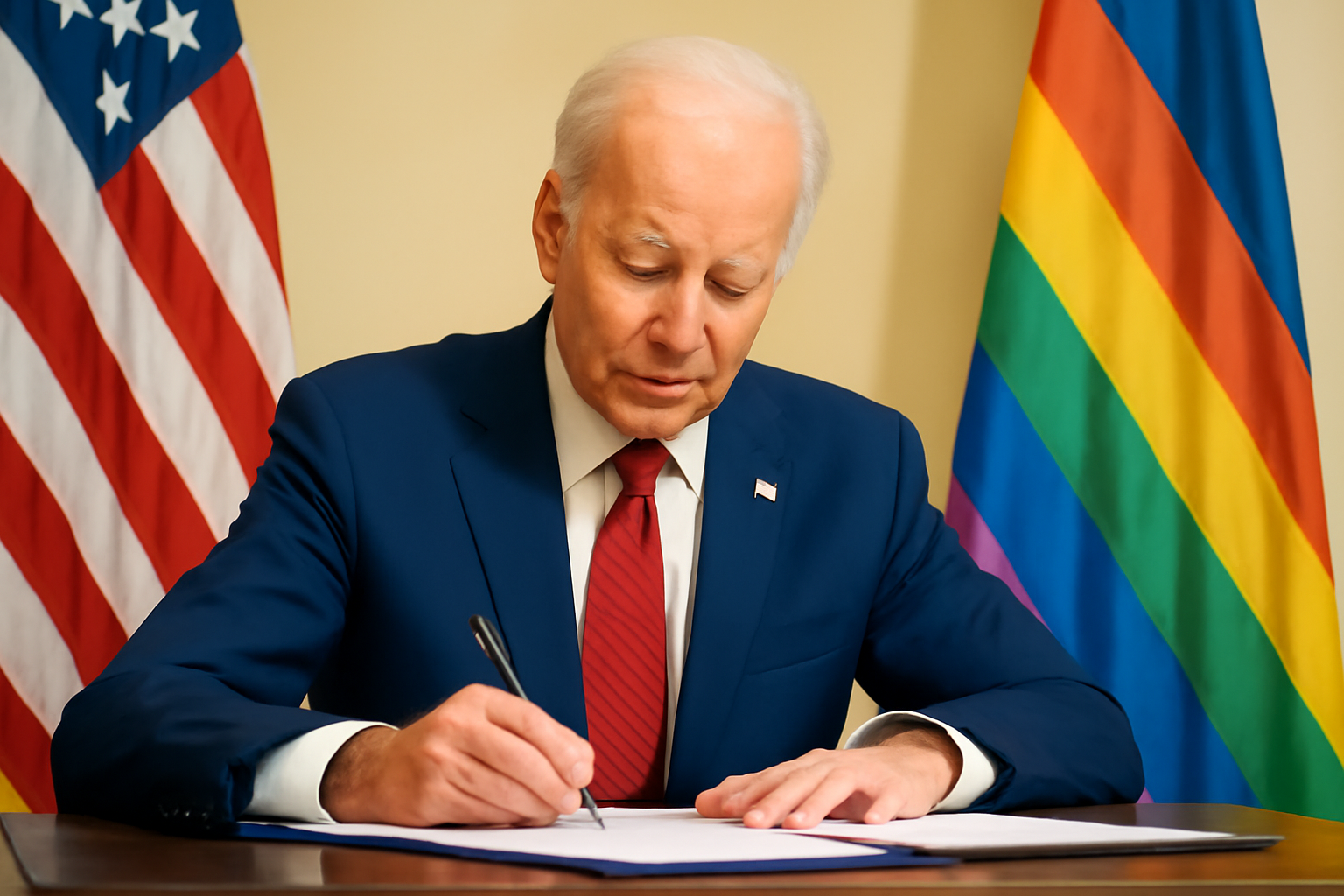
In a significant political move, the President of the United States has signed an executive order that has sparked intense discussions and debates nationwide. The new directive specifically targets federal support for gender-affirming care, restricting access to this healthcare for individuals under the age of 19. This decision has far-reaching implications and has drawn sharp criticism from numerous advocacy groups and healthcare professionals who emphasize the importance of such care for the well-being of transgender and non-binary youth.
Understanding Gender-Affirming Care
Gender-affirming care refers to a range of social, psychological, behavioral, and medical interventions designed to support and affirm an individual's gender identity. For transgender and non-binary youth, such care can be critical in improving mental health outcomes, reducing instances of depression and anxiety, and enhancing overall quality of life. Medical experts suggest that access to gender-affirming care can be life-saving for many young individuals who are grappling with gender dysphoria.
Details of the Executive Order
The executive order signed by the President effectively prohibits the allocation of federal funds to support gender-affirming healthcare services for minors under 19. This includes federal programs that may have previously provided resources or assistance for medical consultations, hormone therapy, or other related services. The policy positions itself as a protective measure for the youth, arguing that individuals under 19 are not yet mature enough to make such significant healthcare decisions.
In a statement from the administration, officials claimed that the decision was made in the interest of protecting children and ensuring that medical interventions are approached with caution. However, the order has been met with substantial backlash from civil rights organizations, healthcare providers, and parents of transgender and non-binary children.
Reactions and Criticisms
Critics of the executive order argue that it undermines the autonomy and healthcare rights of transgender and non-binary youth. Many healthcare professionals and advocacy groups stress that medical and psychological support tailored to affirm a young person's gender identity can be crucial for their development and mental health. By restricting access to such care, the policy could potentially lead to increased mental health struggles and exacerbate feelings of alienation and distress among transgender youth.
Organizations like the American Medical Association and the American Psychological Association have issued statements opposing the order, highlighting the importance of evidence-based, patient-centered care that is sensitive to the needs of transgender and non-binary individuals. They emphasize that decisions regarding gender-affirming care should be guided by medical professionals in consultation with patients and their families, rather than being dictated by federal policies.
Potential Impacts on LGBTQ+ Youth
For many young people who identify as transgender or non-binary, access to gender-affirming care is more than a medical necessity; it is a vital component of their journey toward self-acceptance and identity affirmation. Studies have shown that supportive environments, including access to appropriate medical care, are linked to better mental health outcomes and overall well-being for LGBTQ+ youth.
Without federal support, the burden of accessing this critical care may fall on families, potentially leading to disparities in healthcare access based on socio-economic status. This could widen the existing gap in health equity among marginalized communities.
Advocacy and Future Actions
In response to the executive order, advocacy groups are mobilizing to challenge the policy both legally and publicly. Many organizations are planning to file lawsuits, arguing that the order violates constitutional rights and discriminates against transgender and non-binary individuals. Public rallies and awareness campaigns are also being organized to garner support and bring attention to the potential harms of the order.
The coming months will likely see a continued clash between policymakers and advocacy groups, as the nation grapples with the complexities of gender identity and the rights of young individuals to access necessary healthcare. Regardless of the legal outcomes, the discussion around this executive order highlights the ongoing struggle for equality and recognition faced by the LGBTQ+ community.
For those affected, there remains hope that increased visibility and advocacy will lead to policy changes that affirm and support the diverse identities of all individuals, prioritizing their health and well-being above political agendas.
Tags: Gender-Affirming Care, LGBTQ+ Rights, Executive Order, Transgender Youth, Healthcare Policy
Related Posts
Supreme Court to Address State Bans on Trans Women in Female Sports
The upcoming U.S. Supreme Court term promises to be a pivotal moment for transgender rights, as the nation's highest court has agreed to evaluate whether states have the authority to prohibit transgender women from participating in female sports competitions. This case, scheduled to be argued in the next term beginning October, is expected to have a significant impact on the future of sports inclu [...]
Megan Rapinoe and Sue Bird Announce Amicable Separation After Ten Years Together
In a heartfelt announcement that resonated deeply within the sports and LGBTQ+ communities, soccer star Megan Rapinoe and basketball legend Sue Bird have revealed their decision to part ways after nearly a decade together. The couple, who have been icons both on and off the field, shared the news with their fans through a joint statement on social media, expressing that the choice was made with mu [...]
Groundbreaking Ruling Ends Sodomy Ban for Police and Military in the Dominican Republic
The Constitutional Court of the Dominican Republic recently delivered a landmark decision on November 18th, ruling that the nation’s police and armed forces are not permitted to criminalize consensual same-sex relations among their personnel. This pivotal ruling is a significant stride towards equality and the protection of LGBTQ+ rights within these institutions. A Resounding Victory for Equal [...]