
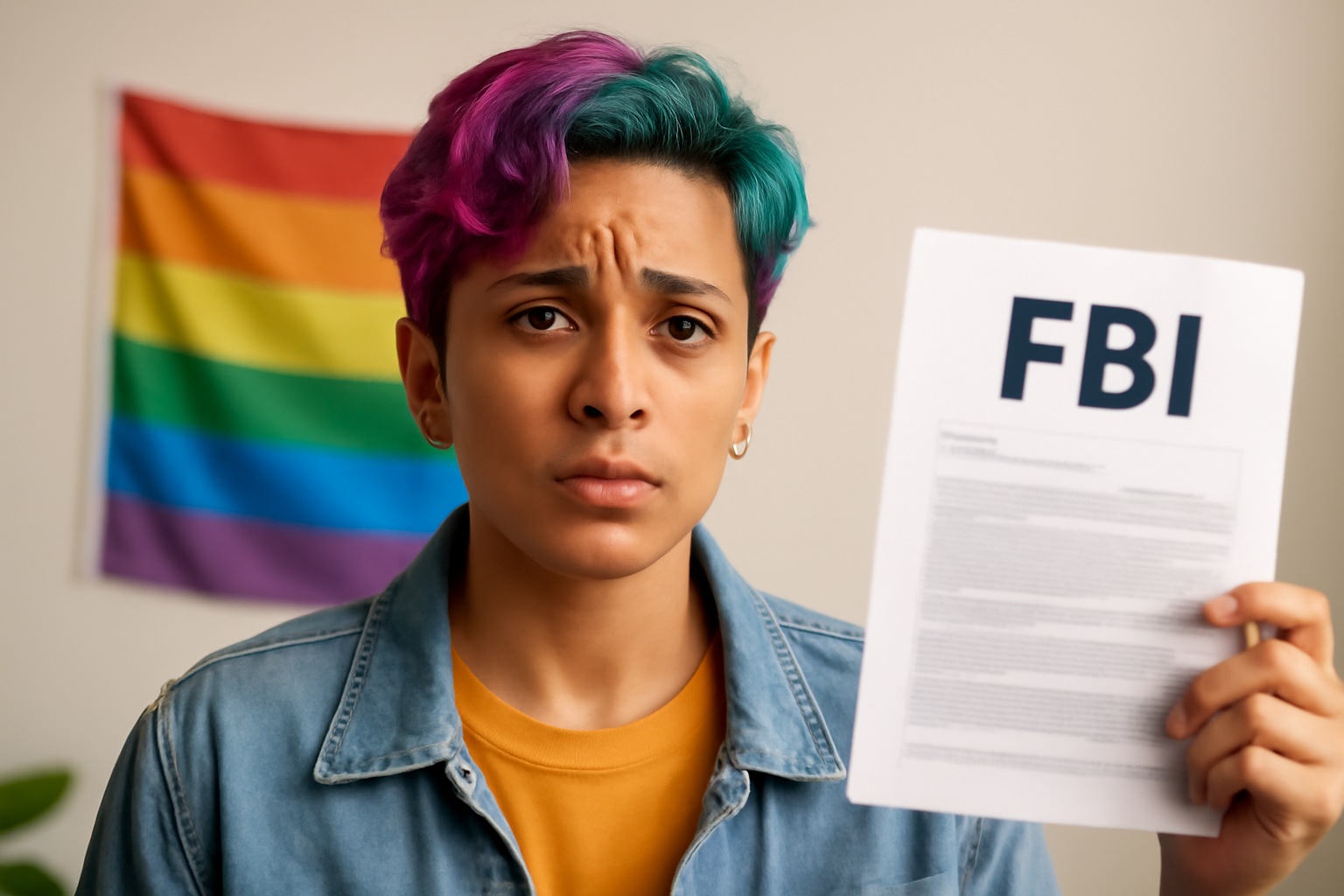
The growing concern about law enforcement's new policies
In recent times, there's been increasing worry about how law enforcement classifies and keeps tabs on people based on their demographics. A new development has surfaced that could have a huge impact on LGBTQ+ folks, especially those who are gender-diverse. Word on this proposal suggests that federal authorities are considering a controversial policy: labeling transgender suspects as "violent extremists." This idea has set off alarm bells among activists and community leaders, who are deeply concerned it might lead not only down a path towards more discrimination but also ramped-up and unjustified surveillance.What's behind this proposal and why it matters
So, what exactly does this proposal entail? The idea here seems part and parcel with a broader national security strategy aimed at flaggng possible dangers. Critics, though, are pushing back, saying it just doesn't add up. Calling transgender people “violent extremists” could unjustly single out an already marginalized group, piling more stigma onto them and potentially stepping on their civil liberties. For transgender folks, this whole situation feels like yet another mountain in their already challenging journey, where they face discrimination, violence, and hurdles in healthcare and jobs all too frequently. Slapping them with a label like "violent extremist" just ups that ante, putting them in line not only more scrutiny but increased surveillance too.Why this hits home hard within communities
Those advocating on behalf and from within transgender communities are sounding off loudly about how damaging this proposal could be. Many see this as setting a risky precedent that effectively criminalizes gender identity itself. There's a significant worry that these kinds policies could lead straight on through increased police harassment, especially against transgender people who are also people color—folks who, as it stands, already face higher rates violence and discrimination. “This proposal isn't just misguided; it's downright harmful,” one community leader expressed emphatically. “It targets transgender people who, in most cases, are more often on receiving end violence than ever dishing it out.”Legal and ethical angles in focus
Legal minds have jumped in on this debate as well, raising questions about how constitutional these measures might be. There's a lot hand-wringing over possible civil rights violations and ethical dilemmas tied up with labeling people along lines gender identity alone. “This move risks infringing on transgender people's rights, trampling protections supposedly guaranteed under Constitution,” pointed out one legal analyst. “We need find balance between securing nation and safeguarding civil liberties every citizen, no matter their gender identity.”Rallying together: advocacy and action
As this all unfolds, LGBTQ+ advocacy groups are getting organized, gearing up opposing these troubling classifications. They're working hard connecting with lawmakers, fostering public conversations, and spotlighting dangers lurking within such policies. Grassroots organizations are urging everyone—and I mean everyone—to step up: get in touch with representatives, join awareness campaigns, and back initiatives fighting tooth and nail transgender rights. It's all about ensuring that policies genuinely reflect what community needs and don't just reinforce harmful stereotypes or systematic discrimination.Keeping watchful eyes: a call vigilance and advocacy
This proposal from authorities that might classify transgender suspects under violent extremist banner brings serious issues that spill over affecting entire LGBTQ+ community. It's so important policymakers think these things through, considering wide-ranging implications, and making sure any steps forward don't undermine transgender individuals' rights or dignity. As dialogue continues, it's essential that community members along with allies stay watchful, proactive, and champion policies rooted in equality and justice all.Related Posts
Supreme Court to Address State Bans on Trans Women in Female Sports
The upcoming U.S. Supreme Court term promises to be a pivotal moment for transgender rights, as the nation's highest court has agreed to evaluate whether states have the authority to prohibit transgender women from participating in female sports competitions. This case, scheduled to be argued in the next term beginning October, is expected to have a significant impact on the future of sports inclu [...]
Megan Rapinoe and Sue Bird Announce Amicable Separation After Ten Years Together
In a heartfelt announcement that resonated deeply within the sports and LGBTQ+ communities, soccer star Megan Rapinoe and basketball legend Sue Bird have revealed their decision to part ways after nearly a decade together. The couple, who have been icons both on and off the field, shared the news with their fans through a joint statement on social media, expressing that the choice was made with mu [...]
Groundbreaking Ruling Ends Sodomy Ban for Police and Military in the Dominican Republic
The Constitutional Court of the Dominican Republic recently delivered a landmark decision on November 18th, ruling that the nation’s police and armed forces are not permitted to criminalize consensual same-sex relations among their personnel. This pivotal ruling is a significant stride towards equality and the protection of LGBTQ+ rights within these institutions. A Resounding Victory for Equal [...]