
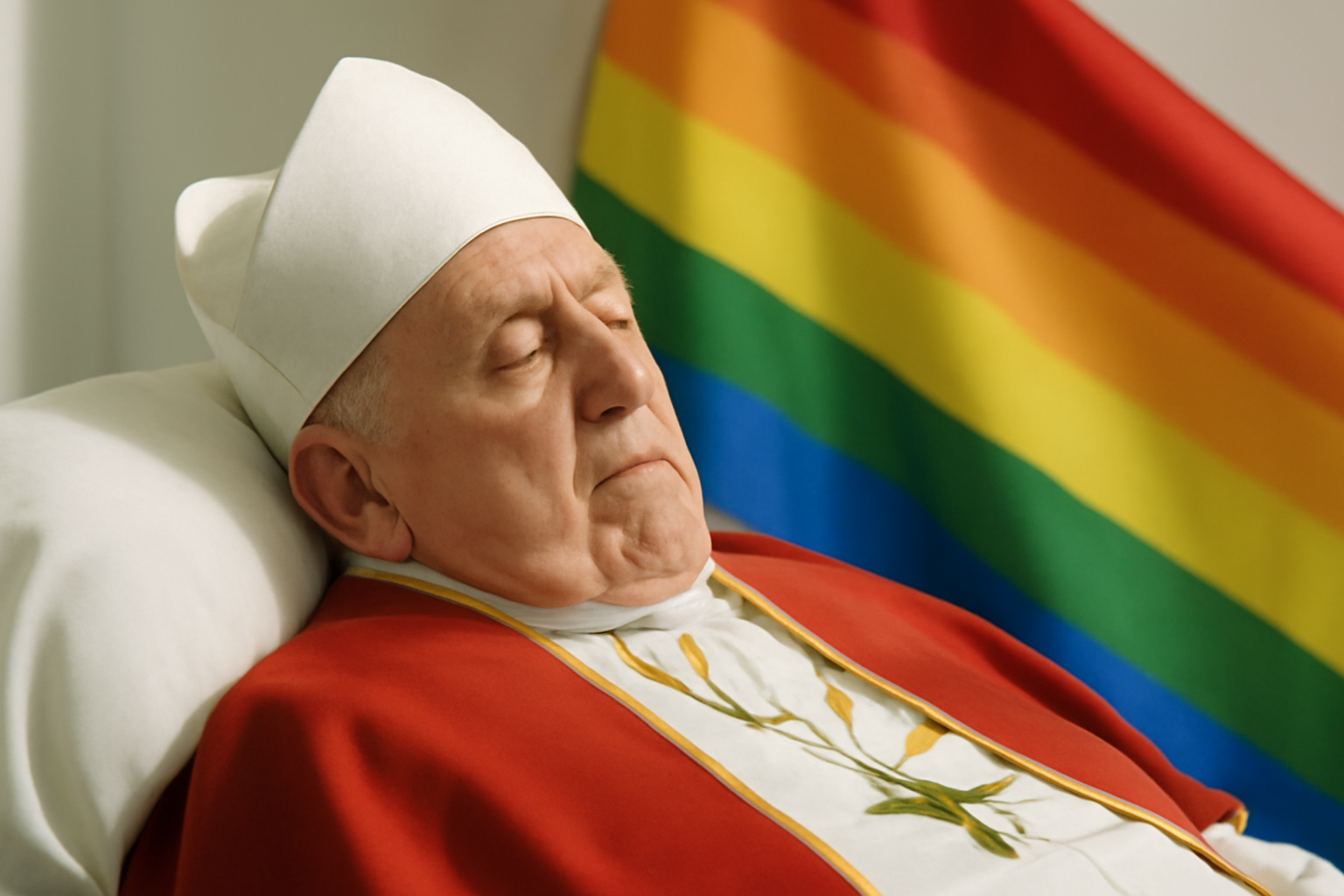
Pope Francis, who served as the head of the Catholic Church, passed away on Monday at the age of 88. Born Jorge Mario Bergoglio in Buenos Aires in 1936 to Italian immigrant parents, he rose through the ranks of the Catholic Church to become one of its most influential leaders in modern times.
Francis was a member of the Society of Jesus, also known as the Jesuits, and became the archbishop of Buenos Aires in 1998. His dedication to social justice and his deep connection with the people of Argentina were hallmarks of his early clerical career. In 2001, Pope John Paul II elevated him to the rank of cardinal, recognizing his contributions and leadership within the Church.
An Unexpected Papacy
In 2013, following the resignation of Pope Benedict XVI, the College of Cardinals elected Francis as the 266th pope of the Catholic Church. His election was historic, not only because he was the first pope from the Americas but also because he was the first Jesuit to become pope. His papacy was notable for its focus on humility, mercy, and a call to build a "poor Church for the poor."
Francis's approach to leadership was distinctly pastoral, characterized by a hands-on style and an emphasis on dialogue and outreach. He often spoke out on issues such as climate change, economic inequality, and social justice, drawing respect and admiration from people around the world.
Complex Relationship with LGBTQ+ Issues
Pope Francis's legacy with LGBTQ+ issues is complex and multifaceted. During his time as the archbishop of Buenos Aires, he was a vocal opponent of Argentina's marriage equality law, which allowed same-sex couples to marry legally. However, his views seemed to evolve over time, and as pope, he made several statements that indicated a more inclusive stance toward the LGBTQ+ community.
In 2020, Pope Francis made headlines by expressing support for civil unions for same-sex couples, a significant departure from traditional Church teachings. He said, "Homosexual people have the right to be in a family. They are children of God." This statement was seen as a positive step towards recognition of same-sex relationships within the Church.
In 2023, Francis further addressed LGBTQ+ issues by stating that laws criminalizing homosexuality are "unjust." His comments drew praise from human rights organizations and LGBTQ+ advocates, who saw them as an acknowledgment of the dignity and rights of LGBTQ+ individuals.
Challenges and Criticisms
Despite these progressive statements, Pope Francis faced criticism for not making substantial doctrinal changes regarding Church teachings on homosexuality and gender identity. While his papacy was marked by a tone of welcome and openness, the Church's official positions on these issues remained largely unchanged.
The pope's nuanced approach often left LGBTQ+ Catholics in a state of hopeful ambiguity, with many longing for a more definitive change in Church doctrine. Critics argued that while symbolic gestures and supportive statements were welcomed, they needed to be accompanied by concrete policy shifts within the Church.
Francis's papacy also had to navigate internal Church politics, where differing views on LGBTQ+ inclusion often created tensions among bishops and cardinals. The challenges he faced in pushing for reform underscored the complexities of leading a global institution with a diverse and often divided membership.
Legacy and Impact
As we reflect on Pope Francis's legacy, his efforts to foster dialogue and understanding stand out. His papacy encouraged conversations about inclusivity and acceptance, setting the stage for future developments within the Church.
Pope Francis's willingness to engage with contemporary social issues, including LGBTQ+ rights, marked a shift in the Church's tone and opened the door for further discussions. His leadership style, rooted in compassion and humility, left a lasting impact on both the Church and the world.
In his passing, the world remembers a leader who sought to bring the Church closer to the marginalized and to address the pressing issues of our time with empathy and grace. While his papacy may have left some questions unresolved, it undeniably sparked important dialogues and brought attention to the need for greater inclusivity within the Church.
The journey towards full acceptance and equality for LGBTQ+ individuals within religious communities continues, inspired by the conversations and changes initiated during Pope Francis's time in the papal office.
Related Posts
Supreme Court to Address State Bans on Trans Women in Female Sports
The upcoming U.S. Supreme Court term promises to be a pivotal moment for transgender rights, as the nation's highest court has agreed to evaluate whether states have the authority to prohibit transgender women from participating in female sports competitions. This case, scheduled to be argued in the next term beginning October, is expected to have a significant impact on the future of sports inclu [...]
Megan Rapinoe and Sue Bird Announce Amicable Separation After Ten Years Together
In a heartfelt announcement that resonated deeply within the sports and LGBTQ+ communities, soccer star Megan Rapinoe and basketball legend Sue Bird have revealed their decision to part ways after nearly a decade together. The couple, who have been icons both on and off the field, shared the news with their fans through a joint statement on social media, expressing that the choice was made with mu [...]
Groundbreaking Ruling Ends Sodomy Ban for Police and Military in the Dominican Republic
The Constitutional Court of the Dominican Republic recently delivered a landmark decision on November 18th, ruling that the nation’s police and armed forces are not permitted to criminalize consensual same-sex relations among their personnel. This pivotal ruling is a significant stride towards equality and the protection of LGBTQ+ rights within these institutions. A Resounding Victory for Equal [...]