
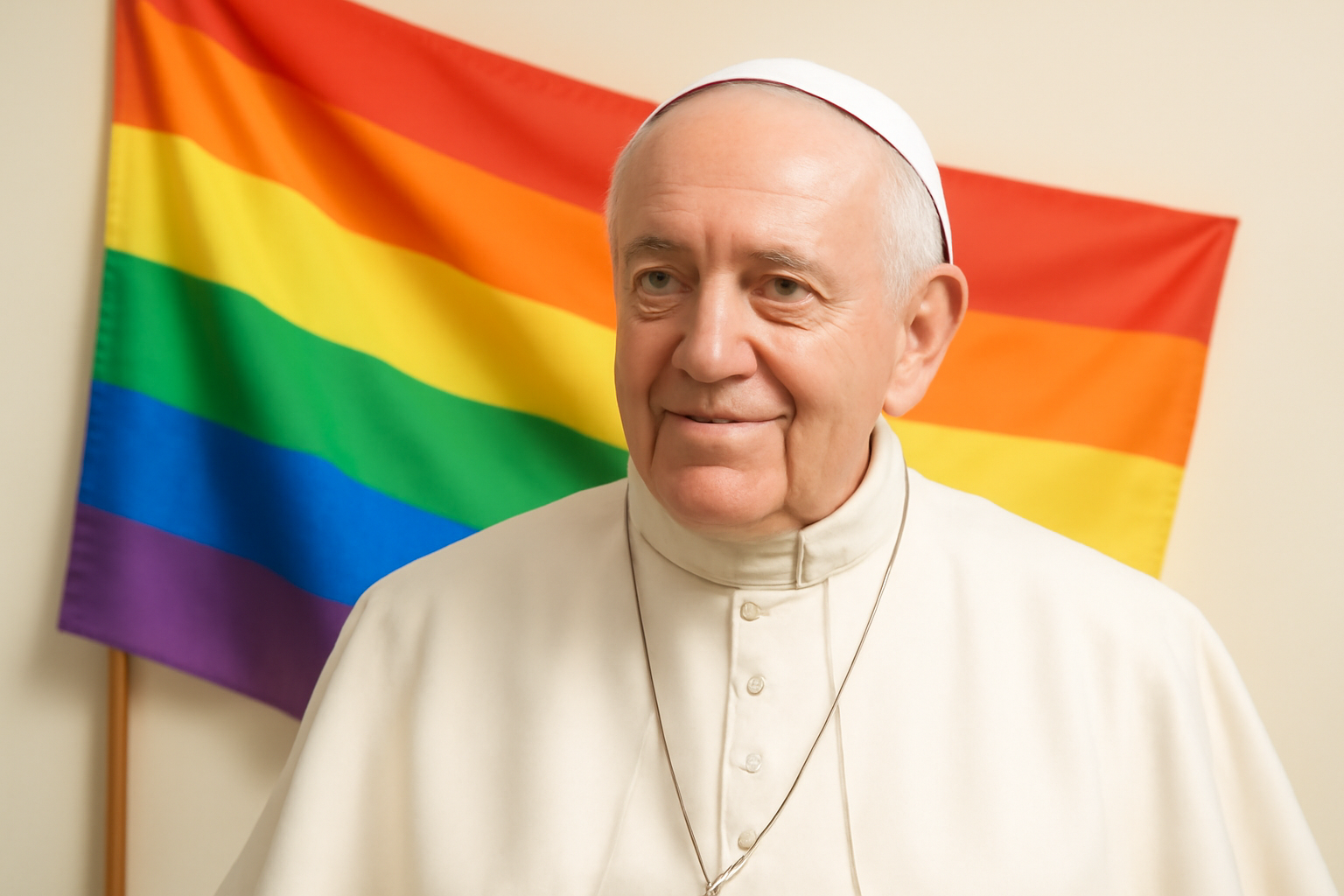
Pope Francis, born Jorge Mario Bergoglio in Buenos Aires, Argentina, on December 17, 1936, passed away in Rome on April 21, 2025, at the age of 88. His tenure as the leader of the Catholic Church was marked by a mixture of compassion and controversy, particularly regarding LGBTQ+ issues.
Throughout his papacy, Francis was recognized for his compassionate stance on several global issues. He was a vocal advocate for addressing climate change, urging international cooperation to avert its catastrophic effects. He also championed the rights of immigrants, emphasizing their plight as they fled their homelands due to climate crises, wars, and poverty.
A Mixed Record on LGBTQ+ Issues
Pope Francis’ record on LGBTQ+ matters was complex and often contradictory. While he made historic moves such as approving blessings for same-sex unions in December 2023, this did not signify a change in the Church’s traditional doctrine on marriage. Cardinal Víctor Manuel Fernández clarified that the Church's teachings on marriage, defined as a union between a man and a woman, remained unchanged.
This decision was seen by some as progressive, yet others criticized it as insufficient, particularly considering the Church’s historical stance against same-sex couples and transgender individuals. In October 2020, Francis expressed support for civil unions in a documentary, recognizing the rights of same-sex couples while maintaining a clear distinction from the sacrament of marriage.
The Stance on Gay Priests
Early in his papacy, in 2013, Pope Francis famously remarked, "If someone is gay and seeks the Lord and has good will, who am I to judge?" This seemingly inclusive statement contrasted sharply with later Vatican documents that restricted the ordination of individuals with "deep-seated homosexual tendencies." These contradictory messages left many LGBTQ+ Catholics feeling marginalized.
Transgender Issues and the Church
Pope Francis’ views on transgender issues were similarly mixed. While he once referred to gender theory as "ideological colonization," recent developments in November 2023 showed a slight shift, allowing transgender individuals to receive baptism and serve as godparents under specific conditions, avoiding "public scandal or confusion." However, these changes were seen as too limited by many advocates for transgender rights.
Conservative Teachings on Family and Marriage
Throughout his leadership, Pope Francis reaffirmed conservative Church teachings on family and marriage. He maintained that marriage should be between a man and a woman and expressed concerns about efforts to redefine family structures. During a trip to the Philippines in 2015, he warned against "ideological colonization" affecting the traditional family unit.
These views were illustrated by his endorsement of a Slovakian referendum opposing same-sex unions and adoption rights for same-sex couples, reinforcing the Church's commitment to traditional definitions of family and marriage.
Impact on LGBTQ+ Catholics
For many LGBTQ+ individuals within the Catholic Church, the Pope's mixed messages on inclusion and acceptance were sources of both hope and frustration. While Pope Francis’ statements occasionally hinted at a more welcoming stance, the underlying doctrines and policies remained unchanged in many respects, continuing to uphold a view of LGBTQ+ identities and relationships as "disordered."
The Church’s continued opposition to gender theory and gender-affirming care, alongside its reaffirmation of traditional teachings on marriage and family, underscored the ongoing challenges faced by LGBTQ+ Catholics seeking affirmation and equality within their faith community.
As Pope Francis' legacy is considered, his papacy represents a period of both potential reform and persistent conservatism on LGBTQ+ matters. The dichotomy between his compassionate rhetoric and the Church's doctrinal rigidity leaves a lasting impact on the dialogue surrounding LGBTQ+ rights within religious contexts.
In conclusion, Pope Francis’ engagement with LGBTQ+ issues reflects a complex legacy marked by both steps toward inclusion and steadfast adherence to traditional Catholic teachings. The balance between these aspects will continue to shape the discourse within the Church and the broader LGBTQ+ community in the years to come.
Related Posts
Supreme Court to Address State Bans on Trans Women in Female Sports
The upcoming U.S. Supreme Court term promises to be a pivotal moment for transgender rights, as the nation's highest court has agreed to evaluate whether states have the authority to prohibit transgender women from participating in female sports competitions. This case, scheduled to be argued in the next term beginning October, is expected to have a significant impact on the future of sports inclu [...]
Megan Rapinoe and Sue Bird Announce Amicable Separation After Ten Years Together
In a heartfelt announcement that resonated deeply within the sports and LGBTQ+ communities, soccer star Megan Rapinoe and basketball legend Sue Bird have revealed their decision to part ways after nearly a decade together. The couple, who have been icons both on and off the field, shared the news with their fans through a joint statement on social media, expressing that the choice was made with mu [...]
Groundbreaking Ruling Ends Sodomy Ban for Police and Military in the Dominican Republic
The Constitutional Court of the Dominican Republic recently delivered a landmark decision on November 18th, ruling that the nation’s police and armed forces are not permitted to criminalize consensual same-sex relations among their personnel. This pivotal ruling is a significant stride towards equality and the protection of LGBTQ+ rights within these institutions. A Resounding Victory for Equal [...]