
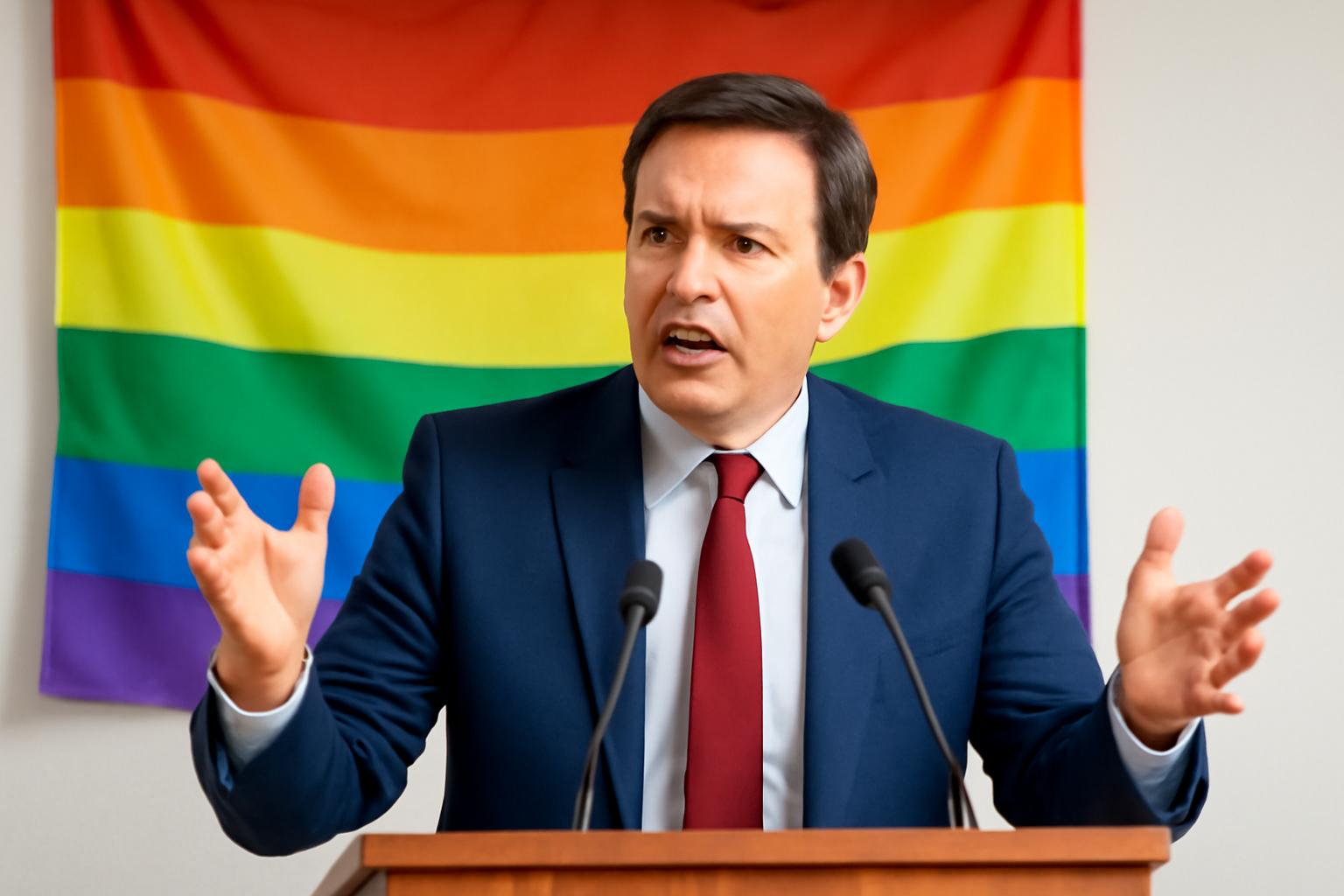
Political speeches are everywhere these days, stirring up public interest and, sometimes, a fair bit more. A recent speech by a prominent politician managed that, drawing fire mostly because it was riddled with inaccuracies and had bits that many found offensive. This kicked off important conversations about how politicians talk and what they actually say.
Why political rhetoric matters deeply in LGBTQ+ communities
We can't overlook how political language affects groups on society's margins, including LGBTQ+ folks. When leaders spout harmful words or spread falsehoods, it just piles onto existing stereotypes and discrimination. This particular speech was a stark reminder that what politicians say really can hurt.
Leaders wield a lot more power than they might think. Their words have a real impact—they can bring people together or tear them apart. For those in LGBTQ+ communities, dismissive or derogatory remarks from high places hit even harder. It just underscores how vital it really us that these leaders choose their words wisely.
The essential need and urgency in fact-checking
One big problem with that speech? It was chock-full wrong facts. In our fast-paced social media age, where misinformation spreads like wildfire, it matters more than ever that leaders stick with facts. Fact-checking holds them accountable and helps ensure we get news we can trust.
False statements sow confusion and build mistruster. When it comes down LGBTQ+ rights and safety, misinformation can have serious repercussions. It's why checking facts and calling out false narratives isn't optional—it should be a priority, whether you're an individual or an organization.
Building a bridge with inclusive political dialogue
If we want society thrive, we need conversations that are both respectful and inclusive. Political discussions shouldn't be shouting matches or platforms lies. They should be where real, meaningful discussions happen.
We need diverse voices at political tables because that diversity helps communities flourish. LGBTQ+ representation isn't just a nice idea; it matters in addressing their unique struggles. Political leaders need engage with all communities respectfully make sure every voice counts.
The media's big role in shaping what we think
Media outlets have a massive role in shaping how we view political goings-on and statements. The news and insights you get from them often shape your opinions about leaders and what they're pushing. That means they've got a big responsibility—one they need wield accurately and fairly.
When media cover speeches, it isn't enough repeat what was said; they need provide context and insights that help us get what's actually going on. This becomes especially important when marginalized communities are involved. Including voices from these groups adds depth and helps everyone better grasp complex issues.
Encouraging an era where respectful dialogue leads
Looking ahead, there's a real need shift toward more respectful and informed conversations. If leaders and communities value truth and empathy, we're headed toward a more inclusive future. Political figures need show by example, proving that power should build not break.
For LGBTQ+ communities, this involves fighting harmful rhetoric and ensuring their representation isn't just acknowledged but prioritized, especially by those in power. Supporting leaders who champion inclusivity and honesty becomes vital. Through collective awareness and action, we can create political spaces that uplift everyone.
Thinking about how much weight political speeches carry, it becomes clear that words are powerful. They can heal or hurt, bring people together or drive them apart. By committing ourselves informative, respectful dialogue, we can journey toward a future where every voice truly matters and gets heard.
In closing, nurturing understanding and respect in political discourse isn't just beneficial; it essential, particularly if we care about all communities' well-being, marginalized or not. Through truth, compassion, and inclusivity, we can progress hand in hand.
Related Posts
Supreme Court to Address State Bans on Trans Women in Female Sports
The upcoming U.S. Supreme Court term promises to be a pivotal moment for transgender rights, as the nation's highest court has agreed to evaluate whether states have the authority to prohibit transgender women from participating in female sports competitions. This case, scheduled to be argued in the next term beginning October, is expected to have a significant impact on the future of sports inclu [...]
Megan Rapinoe and Sue Bird Announce Amicable Separation After Ten Years Together
In a heartfelt announcement that resonated deeply within the sports and LGBTQ+ communities, soccer star Megan Rapinoe and basketball legend Sue Bird have revealed their decision to part ways after nearly a decade together. The couple, who have been icons both on and off the field, shared the news with their fans through a joint statement on social media, expressing that the choice was made with mu [...]
Groundbreaking Ruling Ends Sodomy Ban for Police and Military in the Dominican Republic
The Constitutional Court of the Dominican Republic recently delivered a landmark decision on November 18th, ruling that the nation’s police and armed forces are not permitted to criminalize consensual same-sex relations among their personnel. This pivotal ruling is a significant stride towards equality and the protection of LGBTQ+ rights within these institutions. A Resounding Victory for Equal [...]