
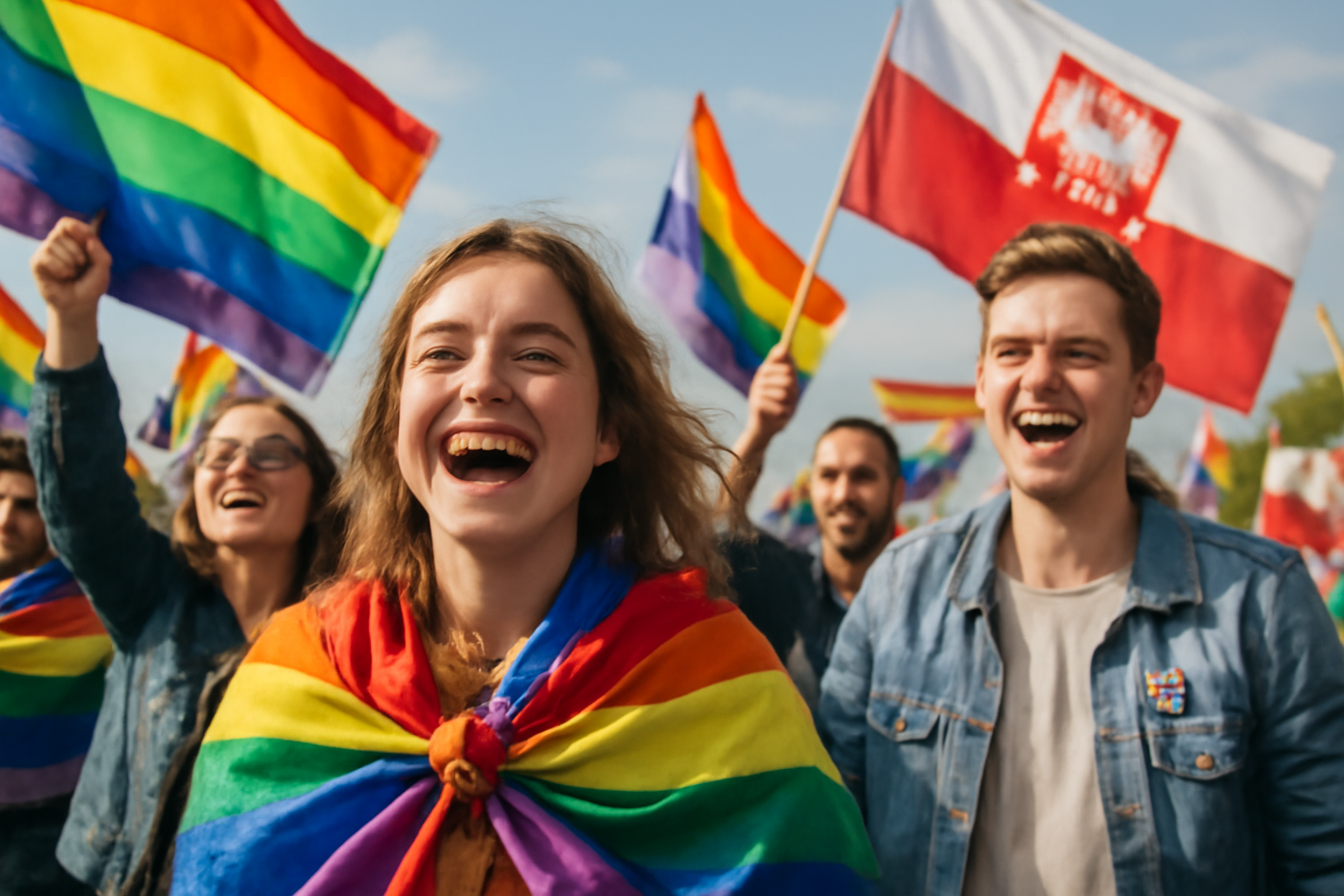
Big news from Poland—its last "LGBT-free zone" has been abolished, marking a key moment in championing equality and human rights. Across Poland and beyond, activists and allies are celebrating this move as a vital step toward greater acceptance and inclusivity.
What's behind "LGBT-free zones"?
The idea behind "LGBT-free zones" started in Poland in 2019, when some local governments passed resolutions declaring themselves free from what they called "LGBT ideology." These were mainly symbolic but sparked widespread criticism. Human rights organizations and countries around globe voiced their concerns about this discriminatory stance.
Many viewed these zones as a backward step, creating a hostile environment that marginalized LGBTQ+ people. They were seen as direct assaults on LGBTQ+ rights, fostering a climate rife with intolerance and prejudice.
How global pressure pushed back against Poland
The creation and maintenance these zones did not go unnoticed. Human rights groups and European institutions pushed back, with EU officials condemning these declarations, citing they clashed with core EU values like equality and non-discrimination.
In 2020, European Parliament made its disapproval clear through a resolution against "LGBT-free zones," and actions were taken by European Commission, including withholding funds from areas held onto these declarations. This international pressure, combined with tirelessness advocacy from Polish LGBTQ+ groups, was key in ending these zones.
The powerful impact activism had in overturning these zones
Polish activists and advocacy groups were at heart efforts against "LGBT-free zones." Their protests, campaigns, and legal fights were relentless in working toward ending these discriminatory policies and fostering a more inclusive society.
A prominent figure in this fight was Bartosz Staszewski, a well-known Polish LGBTQ+ activist, who made headlines worldwide with his impactful campaign placing "LGBT-free zone" signs at entrances towns that adopted anti-LGBTQ+ resolutions. His work, among many others, was vital in raising awareness on both national and global scales.
Why repealing these zones matters—both legally and socially
Getting rid last "LGBT-free zone" in Poland carries heavy legal and social weight. Legally, it's a move toward aligning with EU human rights standards, helping Poland meet European norms in treating LGBTQ+ individuals.
Socially, it's a win equality and inclusion, sending a resounding message that discrimination holds no place in today's society. It gives hope and encouragement LGBTQ+ people in Poland, affirming their right live openly and without fear institutional discrimination.
What's on horizon: Ongoing fight LGBTQ+ rights
Though doing away with "LGBT-free zones" a big win, it's just piece larger puzzle securing LGBTQ+ rights in Poland. Activists stress there's still work be done, like legalizing same-sex marriage and establishing comprehensive anti-discrimination laws.
The fight LGBTQ+ rights far from over, and while dismantling these zones a milestone, much remains be achieved true equality and acceptance throughout society.
As Poland moves toward inclusivity, it reminds us all vigilance and advocacy are key in human rights. The repeal stands testament power collective efforts and unyielding commitment those striving more just and equitable future.
Related Posts
Supreme Court to Address State Bans on Trans Women in Female Sports
The upcoming U.S. Supreme Court term promises to be a pivotal moment for transgender rights, as the nation's highest court has agreed to evaluate whether states have the authority to prohibit transgender women from participating in female sports competitions. This case, scheduled to be argued in the next term beginning October, is expected to have a significant impact on the future of sports inclu [...]
Megan Rapinoe and Sue Bird Announce Amicable Separation After Ten Years Together
In a heartfelt announcement that resonated deeply within the sports and LGBTQ+ communities, soccer star Megan Rapinoe and basketball legend Sue Bird have revealed their decision to part ways after nearly a decade together. The couple, who have been icons both on and off the field, shared the news with their fans through a joint statement on social media, expressing that the choice was made with mu [...]
Groundbreaking Ruling Ends Sodomy Ban for Police and Military in the Dominican Republic
The Constitutional Court of the Dominican Republic recently delivered a landmark decision on November 18th, ruling that the nation’s police and armed forces are not permitted to criminalize consensual same-sex relations among their personnel. This pivotal ruling is a significant stride towards equality and the protection of LGBTQ+ rights within these institutions. A Resounding Victory for Equal [...]