
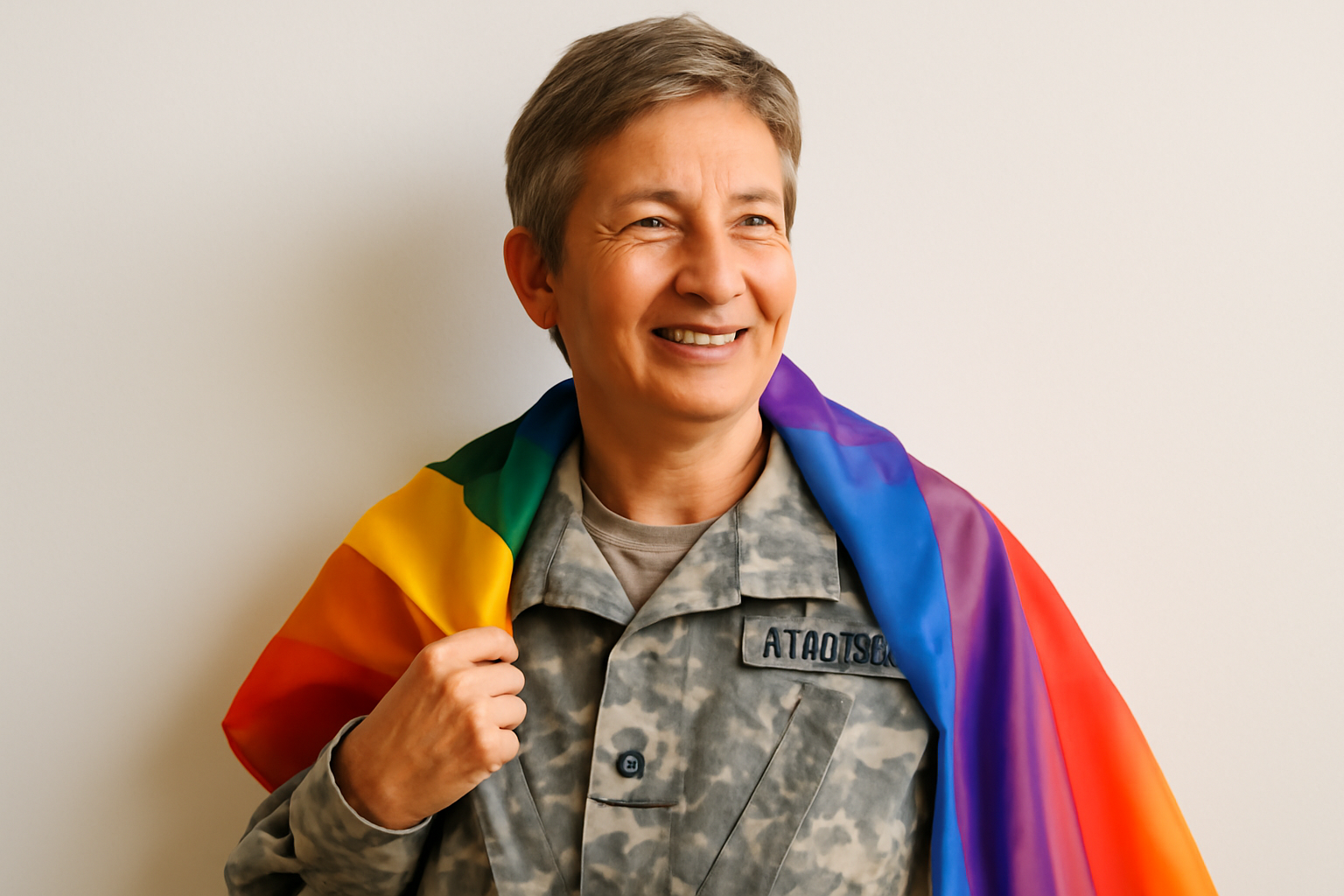
Pentagon Reaches Historic Settlement with LGBTQ+ Veterans
The Pentagon has announced a landmark settlement with over 30,000 LGBTQ+ veterans who were discharged from military service under the 'Don’t Ask, Don’t Tell' policy. This agreement allows these veterans to update their military records more easily, addressing decades of discrimination.
Originally introduced in 1994 by President Bill Clinton, the policy required LGBTQ+ service members to conceal their sexual orientation to remain in the military. Consequently, countless LGBTQ+ individuals were unfairly discriminated against, forced out of service, and denied the benefits they were entitled to due to being dishonorably discharged.
In 2023, a pivotal class action lawsuit, Farrell v. the U.S. Department of Defense, was brought before the U.S. District Court for the Northern District of California. It was filed on behalf of LGBTQ+ veterans who argued that the Department of Defense had failed to amend their discharge status or remove discriminatory language from their military records, even after the repeal of 'Don’t Ask, Don’t Tell' in 2011.
The plaintiffs in the case asserted that their discharges violated their constitutional rights and prevented them from accessing full veterans' benefits. They highlighted how the stigma of being discharged for their sexual orientation continued to affect their lives long after their service ended.
Under the terms of the new settlement, details of which were released on January 6, veterans discharged under 'Don’t Ask, Don’t Tell' or similar policies will no longer face a cumbersome legal process to amend their records. Instead, they can now apply to have any reference to their sexuality removed from their service documents swiftly and efficiently.
An 'honorable discharge' signifies that a veteran served diligently, followed military rules, and adhered to the law. Veterans with an honorable discharge are entitled to all the benefits they earned, including home-loan assistance, healthcare, and retirement pay. In contrast, those with a dishonorable discharge are ineligible for veteran benefits and can be excluded from accessing civilian government benefits like unemployment and federal student loans.
Jocelyn Larkin, an attorney representing the class-action group, emphasized the importance of this settlement in addressing the long-standing impact of these discriminatory policies. "This is a crucial step in acknowledging the honorable service of LGBTQ+ veterans," Larkin stated. "The repeal of 'Don’t Ask, Don’t Tell' was a significant move forward, but it did not erase the harm done to those who were discharged under its provisions."
Sherrill Farrell, a Navy veteran and plaintiff, shared her personal story, recounting her pride in enlisting in 1985 and the heartache she felt when discharged due to her sexual orientation. "It felt as though my country was saying my service was worthless," Farrell expressed. "Today, standing up for fellow veterans and ensuring our contributions are recognized fills me with pride once more."
Lilly Steffanides, another Navy veteran involved in the case, reflected on joining the military in 1988 with a determination to serve honorably. However, being discharged under discriminatory policies deeply affected her. "This settlement is about restoring the dignity and pride that LGBTQ+ veterans have always deserved," Steffanides remarked. "I hope it brings justice to all who served courageously but faced exclusion and discrimination."
Julianne Sohn, a former Marine, shared her experiences of serving with honor and commitment, only to endure the pain of being discharged under 'Don’t Ask, Don’t Tell'. "This settlement acknowledges the wrongs done and strives to ensure no service member endures such prejudice again," Sohn said.
The settlement awaits approval from a federal judge, with Magistrate Judge Joseph Spero expected to review it in the coming month. Estimates suggest that at least 14,000 individuals were discharged under 'Don’t Ask, Don’t Tell', with over 20,000 affected since 1980 due to real or perceived sexual orientation.
This agreement marks a vital step toward healing and justice for the LGBTQ+ veterans who have long suffered from the consequences of outdated and unjust military policies.
We would love to hear your thoughts on this important development. Share your opinions in the comments below and remember to keep the conversation respectful.
Related Posts
California Governor Pressed to Enact Key Transgender Rights Legislation
California Governor Pressed to Enact Key Transgender Rights Legislation In a significant move, advocacy groups across California are urging Governor Gavin Newsom to ratify a series of bills designed to enhance and protect the rights of transgender individuals within the state.*break* In recent weeks, a coalition of transgender rights organizations has mobilized the public to contact Governor New [...]
Exploring 'Feminine': A Preview at The Pride Center of New Jersey
An Exciting Artistic Expression of Identity The Pride Center of New Jersey is thrilled to host a captivating preview of the exhibit "Feminine," a unique artistic exploration of gender and identity. This event promises to be an enriching experience for anyone interested in the vibrant tapestry of the LGBTQ+ community. The preview will take place at the Pride Center, located in the welcoming town of [...]
Controversy at the Kennedy Center: Drag Shows Thrive Despite Political Promises
In a surprising turn of events, the Kennedy Center, an iconic cultural venue, finds itself at the center of a political and cultural controversy. This comes after former President Donald Trump made headlines by dismissing the Kennedy Center's board, appointing himself as chair, and installing Ric Grenell, a devoted supporter, as the interim head. This move was part of an effort to eliminate what T [...]