
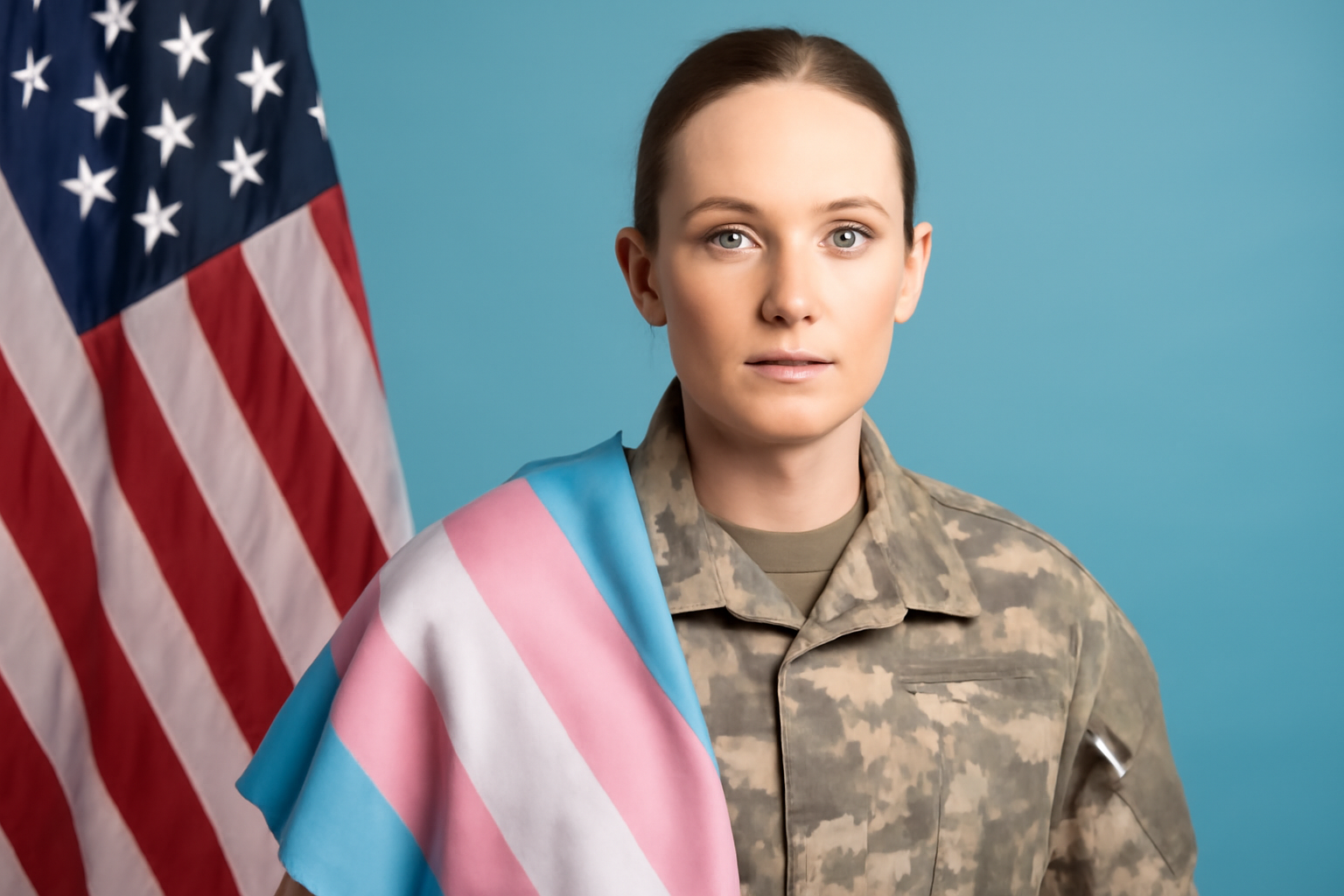
What's happening with transgender service members in military policy
The Pentagon's rolling out a new policy aimed at identifying and discharging transgender service members within 30 days. This move follows a directive from President Trump's administration, which aims at reestablishing a ban on transgender individuals in military service. Essentially, it's a reversal—barring not just new transgender recruits but also seeking a full discharge process.Opposition and legal battles brewing
This policy hasn't gone unnoticed. LGBTQ+ groups and legal bodies are pushing back hard, arguing it harms both military diversity and its transgender members. We've seen similar policies face court challenges in past years, and this latest version from 2025 isn't any different—it's already in several federal courtrooms. New York State Attorney General Letitia James and a group from 20 other states have filed a brief supporting lawsuits against this ban. The Pentagon's under orders from Trump's executive order, “Prioritize Military Readiness and Excellence,” outlining how they'll enforce it. Critics say it dismisses vital contributions from transgender service members who've shown unwavering dedication.Impact on health care and recruitment
Following Trump's lead, plans are in place that would cut off gender-affirming medical care and block transgender enlistment. The backlash? It's fierce. Critics insist this policy doesn't boost military effectiveness or defense but instead weakens it by dismissing skilled personnel without a good reason. While exceptions might exist, they're expectedly rare. The Pentagon notes they'll apply only if there are compelling reasons tied directly war-related capabilities, and even then, a service member must show a stable gender identity over 36 months without significant distress.Estimating transgender service members and public response
How many transgender service members are we talking? Estimates range from a few thousand up toward 15,000. Shannon Minter from National Center For Lesbian Rights calls this policy an unprecedented and severe purge from military ranks. SPARTA, a group advocating transgender rights in military, states, “Transgender Americans have served openly and honorably in U.S. Armed Forces nearly a decade. They're qualified and have served magnificently.” They affirm that no policy can erase these impactful contributions, continuing their support. The Human Rights Campaign and Lambda Legal have voiced strong opposition too. They criticize these guidelines that enforce a quick separation timeline affecting healthcare access. “This direction from administration dishonors those serving our country,” they contend. “The U.S. loses skilled professionals essential in vital roles, while those serving bravely deserve honor, not discrimination.”Political pushback and future legal challenges
Some political figures strongly disagree with this policy, like U.S. Representative Mark Takano (D-Calif.), headling Congressional Equality Caucus. He's highlighted stark contrasts between Trump's directive with transgender service members' bravery, calling it morally wrong and unconstitutional. “This ban creates unnecessary voids in critical command structures, jeopardizes national security, and wastes resources by discharging trained personnel,” he asserts. Takano remains committed, aiming not only at overturning this ban but securing lasting protections. Lambda Legal and Human Rights Campaign Foundation are in federal court challenging this ban's constitutionality. Their lawsuit arises from Trump's executive order, representing transgender service members, enlistment hopefuls, and a civil rights group. For now, this legal fight rages on, with groups striving hard against enforcing this ban as court proceedings continue. They urge recognition that transgender individuals can serve with dignity, respect, and honor intact.Related Posts
Supreme Court to Address State Bans on Trans Women in Female Sports
The upcoming U.S. Supreme Court term promises to be a pivotal moment for transgender rights, as the nation's highest court has agreed to evaluate whether states have the authority to prohibit transgender women from participating in female sports competitions. This case, scheduled to be argued in the next term beginning October, is expected to have a significant impact on the future of sports inclu [...]
Megan Rapinoe and Sue Bird Announce Amicable Separation After Ten Years Together
In a heartfelt announcement that resonated deeply within the sports and LGBTQ+ communities, soccer star Megan Rapinoe and basketball legend Sue Bird have revealed their decision to part ways after nearly a decade together. The couple, who have been icons both on and off the field, shared the news with their fans through a joint statement on social media, expressing that the choice was made with mu [...]
Groundbreaking Ruling Ends Sodomy Ban for Police and Military in the Dominican Republic
The Constitutional Court of the Dominican Republic recently delivered a landmark decision on November 18th, ruling that the nation’s police and armed forces are not permitted to criminalize consensual same-sex relations among their personnel. This pivotal ruling is a significant stride towards equality and the protection of LGBTQ+ rights within these institutions. A Resounding Victory for Equal [...]