
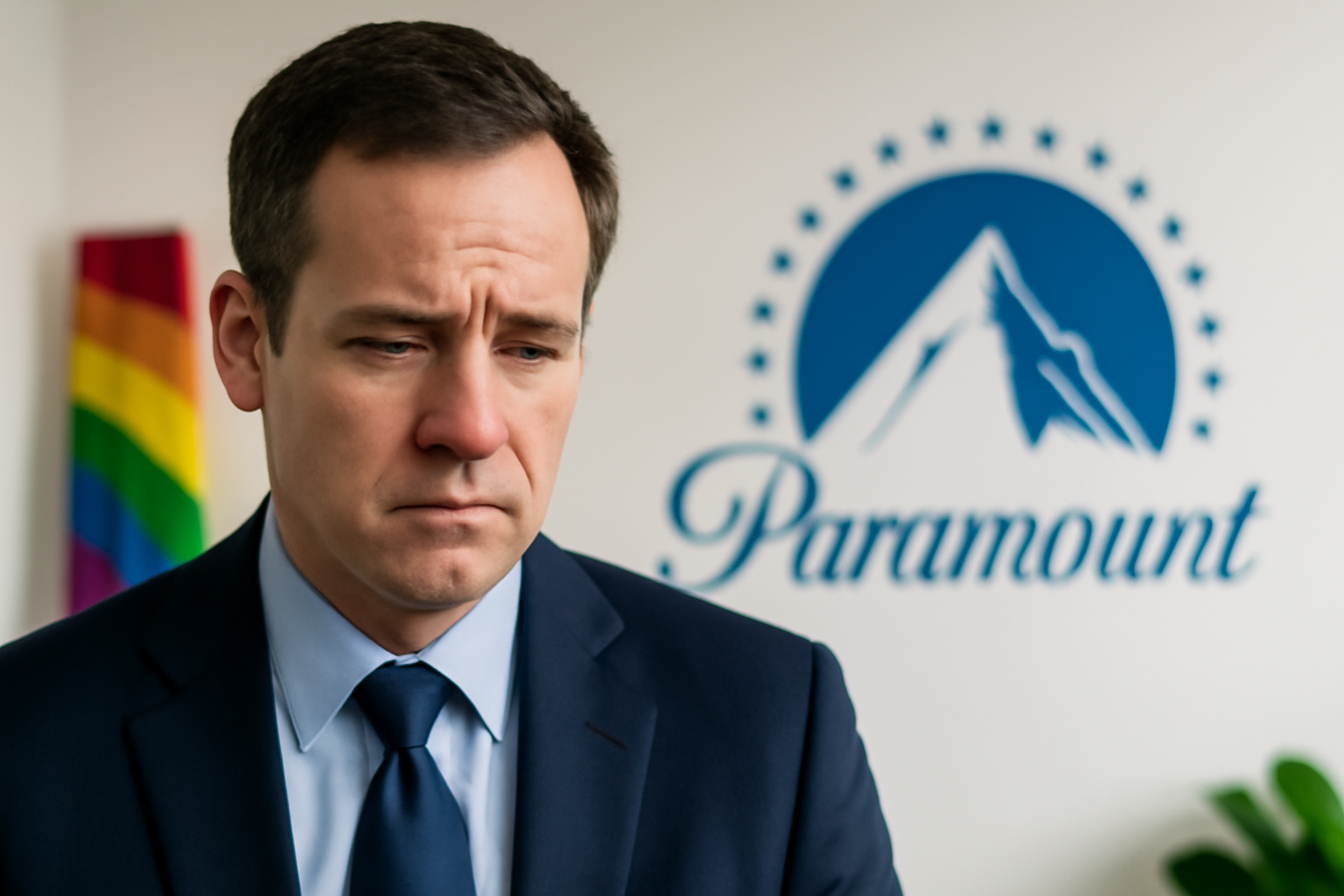
In a significant shift, Paramount, a leading media production company, has announced changes to its diversity, equity, and inclusion (DEI) policies. This decision aligns with a broader move among several major U.S. companies to reassess their DEI commitments following recent political developments.
Policy Changes at Paramount
Paramount has decided to eliminate staffing targets related to race, ethnicity, gender, and sexual orientation. Additionally, the company will no longer collect detailed gender and diversity data from most of its job applicants within the United States.
The announcement came via an internal memo from co-chief executives Brian Robbins, George Cheeks, and Chris McCarthy. They emphasized the importance of maintaining a workforce that reflects diverse perspectives and experiences, despite the policy changes. The memo stated, "To be the best storytellers and to continue to drive success, we must have a highly talented, dedicated and creative workforce that reflects the perspectives and experiences of our many different audiences."
According to the executives, values such as inclusivity and collaboration remain integral to Paramount's culture and will continue to be upheld. They assured employees that DEI programs would still be assessed to ensure the company attracts talent from diverse backgrounds and perspectives.
National Context
The timing of Paramount's decision coincides with national political actions concerning DEI initiatives. Recently, former President Donald Trump, upon resuming office, signed an executive order that significantly impacts DEI efforts across the United States. This order mandates a rollback of government DEI initiatives and places restrictions on similar programs within the private sector.
On the day of Trump’s return to the presidency, the White House announced that DEI employees within federal agencies were placed on administrative leave. Furthermore, the Justice Department was instructed to identify and eliminate what the administration terms "illegal DEI" mandates across various industries.
Such national directives have prompted several prominent companies to reconsider or entirely rescind their DEI policies. For example, fast-food giant McDonald's, automobile manufacturer Ford, and motorcycle company Harley-Davidson have all announced shifts in their DEI strategies.
Impact on the Entertainment Industry
The entertainment industry has not been immune to these changes. According to industry sources, other production companies are also revising their equality initiatives. For instance, Disney has reportedly removed references to its "Reimagine Tomorrow" scheme, initially launched to highlight underrepresented voices in the media.
Paramount's portfolio includes well-known networks and channels such as CBS, Nickelodeon, Showtime, and MTV. The changes in DEI policies at Paramount could influence a wide array of content and production decisions within these networks.
While the rollback of DEI policies might streamline certain operational aspects, the broader implications for representation and inclusion in media remain a topic of concern for many stakeholders within the industry.
Community Reaction and Future Considerations
The rollback of DEI initiatives by major corporations has sparked debates regarding the future of workplace diversity and representation. Supporters of DEI programs argue that such initiatives are crucial for fostering inclusive environments and providing equal opportunities across different demographics.
Conversely, critics claim that some DEI policies may have resulted in unintended consequences, such as reverse discrimination or unnecessary bureaucratic hurdles. These critics often advocate for a more merit-based approach to hiring and workplace management.
As these discussions continue, companies like Paramount are navigating the complex landscape of maintaining a commitment to diversity while complying with new regulatory expectations.
In conclusion, Paramount's decision to adjust its DEI policies reflects a significant moment in the ongoing conversation about diversity in the corporate world. The implications of these changes are likely to resonate across the industry, affecting stakeholders, employees, and audiences alike.
We invite you to share your thoughts on this topic. What impacts do you foresee from these policy changes, and how should companies balance regulatory compliance with the pursuit of diversity? Join the conversation and let us know your perspective.
Related Posts
Supreme Court to Address State Bans on Trans Women in Female Sports
The upcoming U.S. Supreme Court term promises to be a pivotal moment for transgender rights, as the nation's highest court has agreed to evaluate whether states have the authority to prohibit transgender women from participating in female sports competitions. This case, scheduled to be argued in the next term beginning October, is expected to have a significant impact on the future of sports inclu [...]
Megan Rapinoe and Sue Bird Announce Amicable Separation After Ten Years Together
In a heartfelt announcement that resonated deeply within the sports and LGBTQ+ communities, soccer star Megan Rapinoe and basketball legend Sue Bird have revealed their decision to part ways after nearly a decade together. The couple, who have been icons both on and off the field, shared the news with their fans through a joint statement on social media, expressing that the choice was made with mu [...]
Groundbreaking Ruling Ends Sodomy Ban for Police and Military in the Dominican Republic
The Constitutional Court of the Dominican Republic recently delivered a landmark decision on November 18th, ruling that the nation’s police and armed forces are not permitted to criminalize consensual same-sex relations among their personnel. This pivotal ruling is a significant stride towards equality and the protection of LGBTQ+ rights within these institutions. A Resounding Victory for Equal [...]