
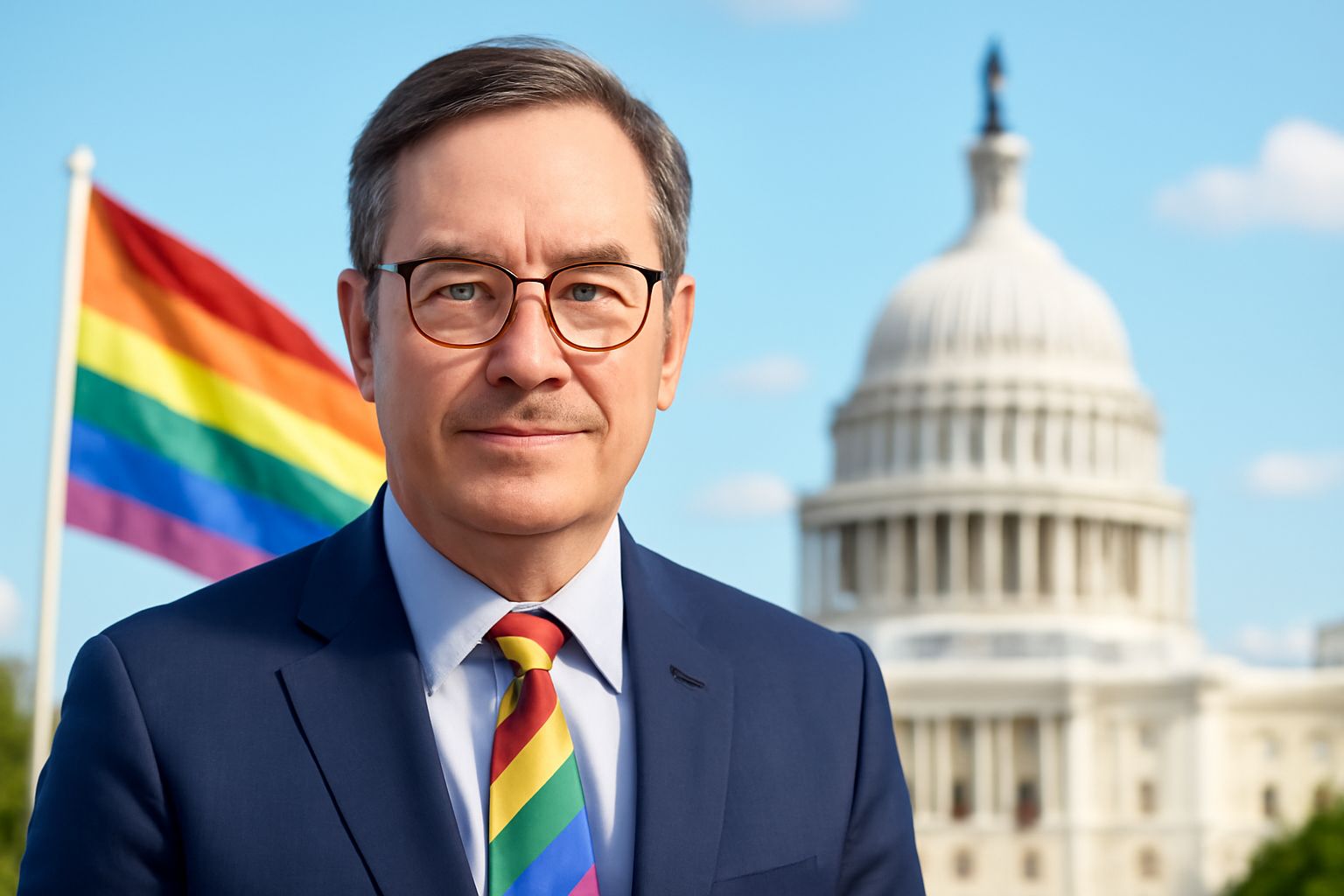
The U.S. Senate, once revered as a bastion of thoughtful deliberation and bipartisan cooperation, seems to have transformed in recent times. The behaviors and choices of some of its members indicate a shift in how this institution functions, raising questions about its role in the current political landscape.
Understanding the Changing Dynamics
Traditionally, the Senate was seen as a place where differences could be bridged, and where moderate voices played a crucial role in shaping legislation. However, the current political climate suggests a departure from this ideal. The focus has shifted towards partisan alignment, often at the expense of individual conviction and collective responsibility.
This shift is exemplified by the actions of some senators who, despite being labeled as moderates, often align with the prevailing party line. This behavior raises concerns about the ability of these representatives to truly advocate for the diverse views of their constituents. Are they serving the interests of the public, or simply adhering to a party agenda?
The Role of Moderates
Moderate senators have historically been the key to passing major legislation, often acting as the bridge between opposing sides. Their role was to weigh the merits of arguments and make decisions that reflected a balanced approach. However, in the current political environment, the influence of moderates appears diminished. The pressure to conform to party expectations can overshadow personal beliefs and constituent needs.
It's important to recognize that being a moderate does not inherently imply indecisiveness or weakness. On the contrary, moderates have the unique ability to engage with diverse perspectives and foster compromise. Yet, when these individuals choose to align strictly along party lines, it can lead to a perception of abandonment of their moderating role.
The Impact on Legislation
The consequences of this shift are significant. Legislation that once required bipartisan support and thoughtful negotiation is now often passed through narrow margins, reflecting the deep divisions within the Senate. This approach can lead to policies that lack the robustness and inclusivity necessary to address complex national issues.
Furthermore, when senators prioritize party loyalty over open dialogue, it undermines the Senate's ability to function as a balanced legislative body. The result is a political landscape where decisions are made based on power dynamics rather than genuine debate and consensus-building.
Looking Forward: The Need for True Representation
The future of the Senate depends on its ability to reclaim its role as a deliberative body that genuinely represents the diversity of American thought. This requires a commitment from senators to prioritize their constituents over party lines and to engage with opposing viewpoints constructively.
For the Senate to serve its purpose, it must foster an environment where moderates can thrive without fear of political repercussions. Encouraging open discussions and valuing compromise can lead to more effective governance and a more united nation.
Ultimately, the strength of the U.S. Senate lies in its ability to navigate complex issues through collaboration and mutual respect. By embracing these values, the Senate can once again fulfill its promise as a pillar of American democracy.
Conclusion
The challenge facing the Senate today is not just about individual members or party control. It's about revitalizing an institution that has the potential to lead with integrity and purpose. As the political landscape continues to evolve, the Senate must rise to the occasion, demonstrating that it can be both a place of powerful debate and of meaningful unity.
In doing so, it will not only strengthen its own legacy but also reinforce the democratic principles upon which the United States was founded.
Related Posts
Supreme Court to Address State Bans on Trans Women in Female Sports
The upcoming U.S. Supreme Court term promises to be a pivotal moment for transgender rights, as the nation's highest court has agreed to evaluate whether states have the authority to prohibit transgender women from participating in female sports competitions. This case, scheduled to be argued in the next term beginning October, is expected to have a significant impact on the future of sports inclu [...]
Megan Rapinoe and Sue Bird Announce Amicable Separation After Ten Years Together
In a heartfelt announcement that resonated deeply within the sports and LGBTQ+ communities, soccer star Megan Rapinoe and basketball legend Sue Bird have revealed their decision to part ways after nearly a decade together. The couple, who have been icons both on and off the field, shared the news with their fans through a joint statement on social media, expressing that the choice was made with mu [...]
Groundbreaking Ruling Ends Sodomy Ban for Police and Military in the Dominican Republic
The Constitutional Court of the Dominican Republic recently delivered a landmark decision on November 18th, ruling that the nation’s police and armed forces are not permitted to criminalize consensual same-sex relations among their personnel. This pivotal ruling is a significant stride towards equality and the protection of LGBTQ+ rights within these institutions. A Resounding Victory for Equal [...]