
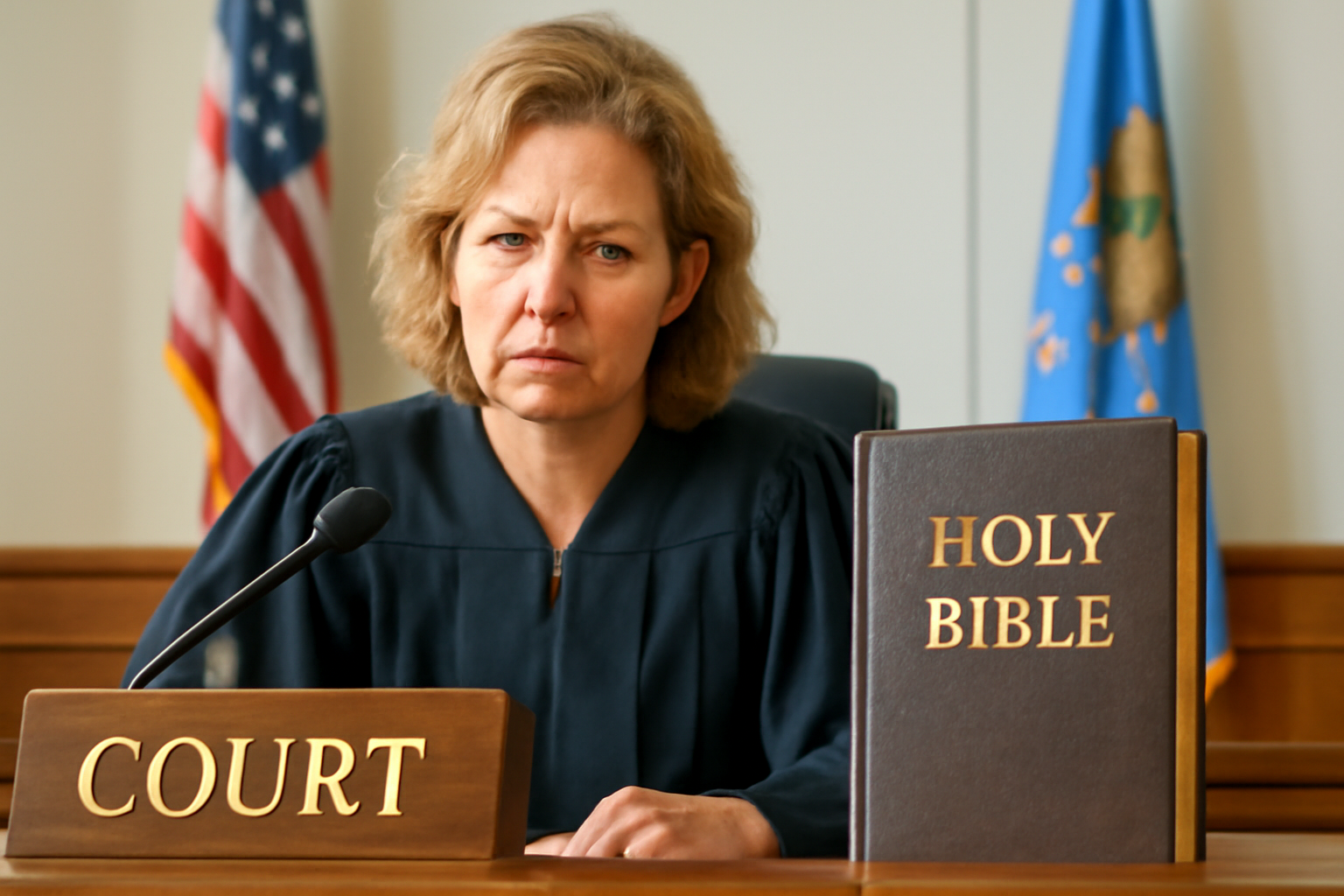
The debate over curriculum changes
Back in June 2024, Walters and his board stirred things up by issuing a guidance document. This document encouraged K-12 schools across Oklahoma not just suggest, but really spotlight how much influence they believe Bible teachings have had on history, literature, music, and other cultural areas. They even suggested classrooms might want a display showing off a physical Bible alongside documents like America likes—like, say, a copy each from The Ten Commandments, The U.S. Constitution, and The Declaration Of Independence.
The legal battle and public pushback
Well, it didn't take long before this guidance hit a wall. One biggie was when Rev. Dr. Mitch Randall filed a lawsuit against Ryan Walters. He had a whole crew: 33 Oklahoma parents, educators, and leaders from various faiths joined in, with help from Americans United and Oklahoma Appleseed. Their argument? The guidance wasn't just bending, but outright breaking, that foundational rule separating church from state, plus ignoring a bunch procedural laws along larger.
Americans United wasn't quiet about calling out this guidance, saying it overplayed Christianity's role in American history and, worse, spun Bible stories as hard facts. And then some parts, like those contentious claims around COVID-19 or election issues, only threw more fuel on fire.
The Supreme Court's verdict and its ripple effects
With its latest decision, Oklahoma's Supreme Court halted these new standards in their tracks and stated clearly that no public funds should go their support. Rachel Laser from Americans United welcomed it, saying it helps families make their own calls on religious education without Uncle Sam sticking nose in. She pointed out, "Public schools shouldn't be places where religion gets pushed down kids' throats."
Brent Rowland from Oklahoma Appleseed stressed how important this ruling was, emphasizing that schools should be open and fair, without religious teachings taking center stage.
How officials and communities are reacting
By August 2024, a whopping 46 superintendents across Oklahoma were saying “no thanks” doing what Walters wanted. They leaned on state laws that gave schools control over what they teach, and made it clear public money shouldn't be funding religious stuff in schools.
Yet Walters, undeterred, wouldn't back down. Instead, he threatened legal action against any school districts that refuse follow his directive, putting out there that he planned hold schools accountable not going along with his standards.
Walters' controversial views and actions
Superintendent Walters sure doesn't shy from controversy. He often finds himself in hot water over his polarizing views, like his efforts ban LGBTQ+ books in schools. He also peddles wild stories about schools catering kids identifying as animals and labeling teachers' unions as "terrorists."
Adding fuel, Walters' ties with right-wing groups like Moms For Liberty and his choice appoint anti-LGBTQ+ activist Chaya Raichik, known online as Libs Of Tik Tok, just added more controversy. Raichik, who doesn't have a background in education, has even been known incite threats against schools.
Groups like Human Rights Campaign and over 350 civil rights organizations are super vocal in their opposition about him. Some even pushing Oklahoma legislators seriously consider giving Walters boot from office. And a few Republican lawmakers are looking his conduct through lens impeachment.
Oklahoma's Supreme Court decision stands as a stark reminder why it matters that schools don't cross that line between personal beliefs and public education, making sure they stay welcoming and respectful all students' rights and varied backgrounds.
The Supreme Court's verdict and its ripple effects
With its latest decision, Oklahoma's Supreme Court halted these new standards in their tracks and stated clearly that no public funds should go their support. Rachel Laser from Americans United welcomed it, saying it helps families make their own calls on religious education without Uncle Sam sticking nose in. She pointed out, "Public schools shouldn't be places where religion gets pushed down kids' throats."
Brent Rowland from Oklahoma Appleseed stressed how important this ruling was, emphasizing that schools should be open and fair, without religious teachings taking center stage.
How officials and communities are reacting
By August 2024, a whopping 46 superintendents across Oklahoma were saying “no thanks” doing what Walters wanted. They leaned on state laws that gave schools control over what they teach, and made it clear public money shouldn't be funding religious stuff in schools.
Yet Walters, undeterred, wouldn't back down. Instead, he threatened legal action against any school districts that refuse follow his directive, putting out there that he planned hold schools accountable not going along with his standards.
Walters' controversial views and actions
Superintendent Walters sure doesn't shy from controversy. He often finds himself in hot water over his polarizing views, like his efforts ban LGBTQ+ books in schools. He also peddles wild stories about schools catering kids identifying as animals and labeling teachers' unions as "terrorists."
Adding fuel, Walters' ties with right-wing groups like Moms For Liberty and his choice appoint anti-LGBTQ+ activist Chaya Raichik, known online as Libs Of Tik Tok, just added more controversy. Raichik, who doesn't have a background in education, has even been known incite threats against schools.
Groups like Human Rights Campaign and over 350 civil rights organizations are super vocal in their opposition about him. Some even pushing Oklahoma legislators seriously consider giving Walters boot from office. And a few Republican lawmakers are looking his conduct through lens impeachment.
Oklahoma's Supreme Court decision stands as a stark reminder why it matters that schools don't cross that line between personal beliefs and public education, making sure they stay welcoming and respectful all students' rights and varied backgrounds.
Walters' controversial views and actions Superintendent Walters sure doesn't shy from controversy. He often finds himself in hot water over his polarizing views, like his efforts ban LGBTQ+ books in schools. He also peddles wild stories about schools catering kids identifying as animals and labeling teachers' unions as "terrorists." Adding fuel, Walters' ties with right-wing groups like Moms For Liberty and his choice appoint anti-LGBTQ+ activist Chaya Raichik, known online as Libs Of Tik Tok, just added more controversy. Raichik, who doesn't have a background in education, has even been known incite threats against schools. Groups like Human Rights Campaign and over 350 civil rights organizations are super vocal in their opposition about him. Some even pushing Oklahoma legislators seriously consider giving Walters boot from office. And a few Republican lawmakers are looking his conduct through lens impeachment. Oklahoma's Supreme Court decision stands as a stark reminder why it matters that schools don't cross that line between personal beliefs and public education, making sure they stay welcoming and respectful all students' rights and varied backgrounds.
Related Posts
Supreme Court to Address State Bans on Trans Women in Female Sports
The upcoming U.S. Supreme Court term promises to be a pivotal moment for transgender rights, as the nation's highest court has agreed to evaluate whether states have the authority to prohibit transgender women from participating in female sports competitions. This case, scheduled to be argued in the next term beginning October, is expected to have a significant impact on the future of sports inclu [...]
Megan Rapinoe and Sue Bird Announce Amicable Separation After Ten Years Together
In a heartfelt announcement that resonated deeply within the sports and LGBTQ+ communities, soccer star Megan Rapinoe and basketball legend Sue Bird have revealed their decision to part ways after nearly a decade together. The couple, who have been icons both on and off the field, shared the news with their fans through a joint statement on social media, expressing that the choice was made with mu [...]
Groundbreaking Ruling Ends Sodomy Ban for Police and Military in the Dominican Republic
The Constitutional Court of the Dominican Republic recently delivered a landmark decision on November 18th, ruling that the nation’s police and armed forces are not permitted to criminalize consensual same-sex relations among their personnel. This pivotal ruling is a significant stride towards equality and the protection of LGBTQ+ rights within these institutions. A Resounding Victory for Equal [...]