
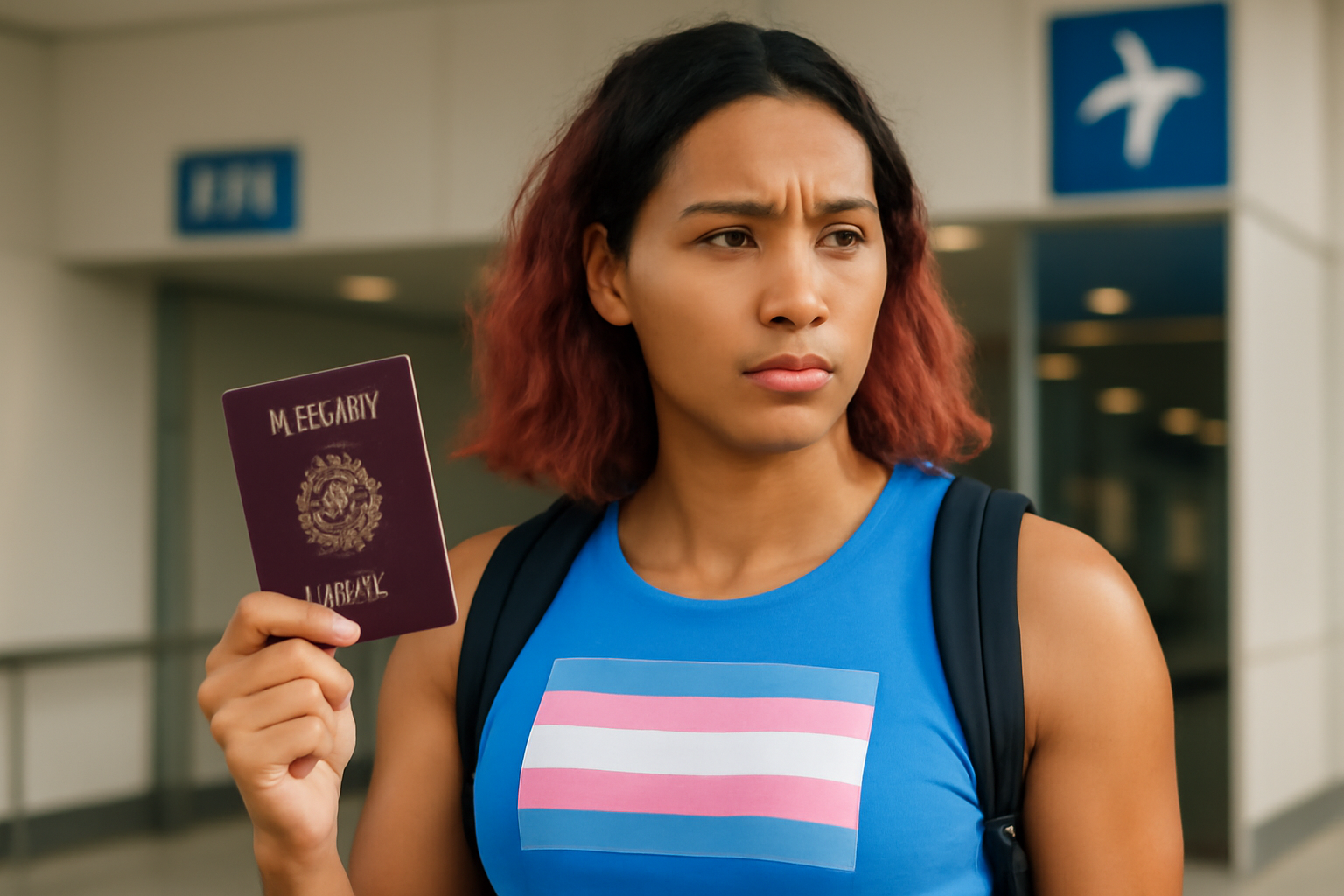
In a surprising and controversial move, it has been announced that new travel policies will significantly impact transgender athletes seeking to enter the United States. This development has sparked a wave of discussion and concern across various communities, particularly among LGBTQ+ advocates and allies who view this decision as a step back in the fight for equality and inclusion.
Transgender individuals, especially athletes, often face unique challenges and barriers, and these new restrictions add yet another layer of difficulty. The policy, which comes from recent administrative decisions, imposes strict entry regulations that effectively bar transgender athletes from traveling to the United States for competitions or events. Many are questioning the motives and implications behind this decision.
Impact on Transgender Athletes
Transgender athletes have been striving for acceptance and recognition within the international sports community for many years. Their participation in sports not only provides personal fulfillment but also serves as a powerful statement of inclusion and diversity. However, the new policy has raised significant concerns about fairness and equality, with many sports organizations and human rights groups condemning the move.
The impact of this decision is far-reaching. For many athletes who have dedicated their lives to training and competing at the highest levels, the ability to travel and participate in international competitions is crucial. This policy not only hampers their athletic careers but also limits their ability to share their talents and experiences on a global stage.
Community Reaction
The reaction from the LGBTQ+ community and its allies has been swift and vocal. Activists and organizations have expressed their outrage, arguing that these restrictions are antithetical to the principles of equality and human rights. Many see this as a targeted attack on transgender individuals, further marginalizing a community that already faces numerous societal challenges.
Social media platforms have seen an outpouring of support for transgender athletes, with hashtags like #LetThemPlay and #TransRightsAreHumanRights trending as individuals and organizations rally to support those affected. Online petitions and calls for policy reversals have gained traction as people from all walks of life join the fight against these new restrictions.
Legal and Ethical Considerations
From a legal standpoint, challenges to these restrictions are already being mounted. Legal experts argue that the policy could violate international human rights agreements, and discussions about the ethical implications continue to unfold. The question of whether such a policy stands up to scrutiny under existing laws and conventions is a hot topic among legal professionals and human rights advocates.
Ethically, the decision raises questions about the values that guide policies affecting marginalized groups. The move has been criticized for not considering the dignity and rights of transgender individuals, prompting debates about how governments can better support inclusion and diversity.
Looking Forward
As the situation develops, many are hopeful that continued advocacy and dialogue will lead to a reconsideration of these restrictions. In the meantime, sports organizations and LGBTQ+ advocacy groups are working tirelessly to support affected athletes and push for policy changes.
Transgender athletes and their allies are determined not to back down, using this challenge as an opportunity to further the conversation about inclusion and rights in sports and beyond. The resilience and strength of the community continue to shine, inspiring others to join the movement for equality and justice.
Ultimately, this development highlights the ongoing struggle for transgender rights and the importance of standing in solidarity with those who face discrimination and exclusion. By amplifying voices and advocating for change, there is hope that future policies will reflect the values of inclusivity and fairness for all individuals, regardless of gender identity.
Related Posts
Supreme Court to Address State Bans on Trans Women in Female Sports
The upcoming U.S. Supreme Court term promises to be a pivotal moment for transgender rights, as the nation's highest court has agreed to evaluate whether states have the authority to prohibit transgender women from participating in female sports competitions. This case, scheduled to be argued in the next term beginning October, is expected to have a significant impact on the future of sports inclu [...]
Megan Rapinoe and Sue Bird Announce Amicable Separation After Ten Years Together
In a heartfelt announcement that resonated deeply within the sports and LGBTQ+ communities, soccer star Megan Rapinoe and basketball legend Sue Bird have revealed their decision to part ways after nearly a decade together. The couple, who have been icons both on and off the field, shared the news with their fans through a joint statement on social media, expressing that the choice was made with mu [...]
Groundbreaking Ruling Ends Sodomy Ban for Police and Military in the Dominican Republic
The Constitutional Court of the Dominican Republic recently delivered a landmark decision on November 18th, ruling that the nation’s police and armed forces are not permitted to criminalize consensual same-sex relations among their personnel. This pivotal ruling is a significant stride towards equality and the protection of LGBTQ+ rights within these institutions. A Resounding Victory for Equal [...]