
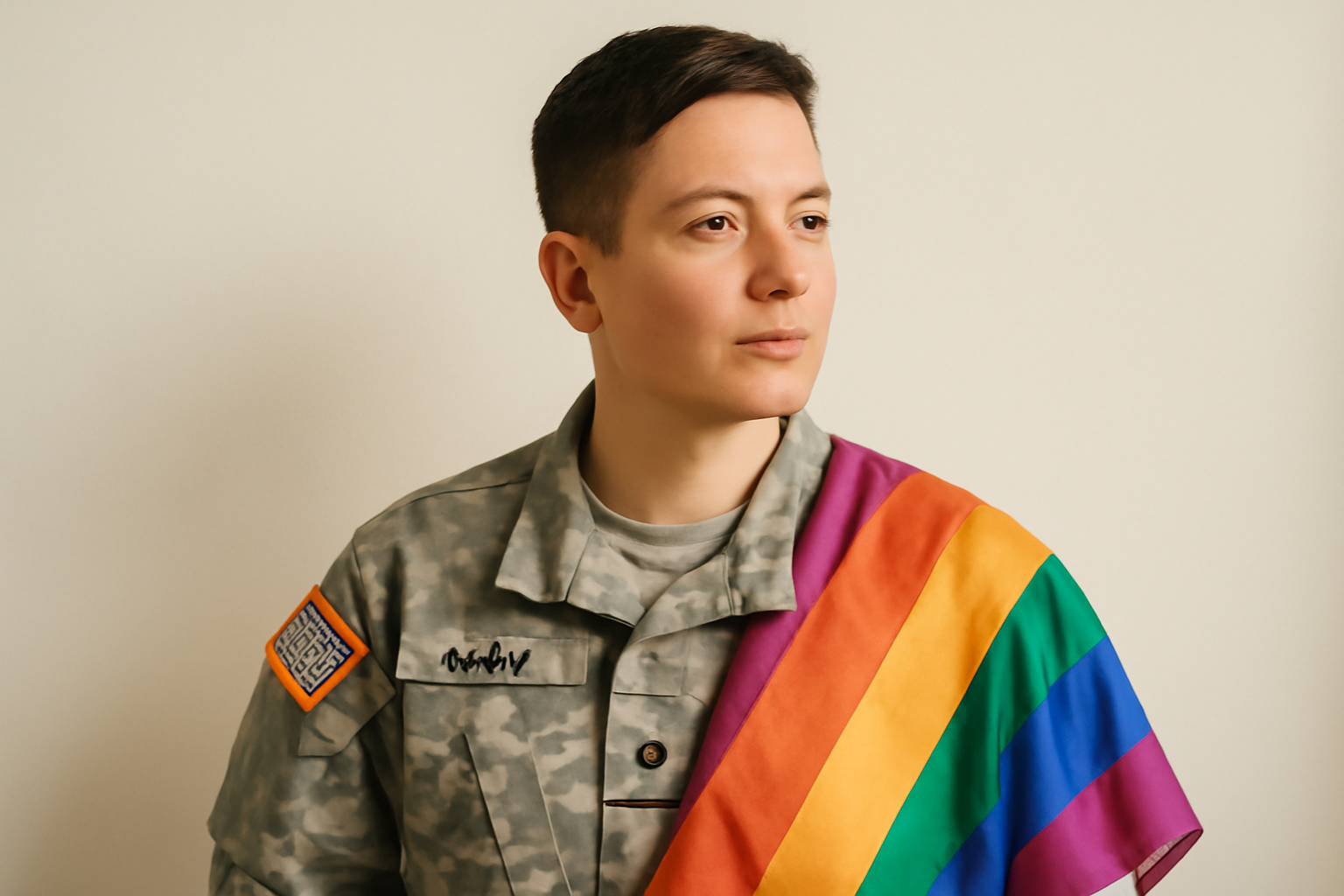
In a significant policy shift, recent developments have signaled a change in the status of transgender individuals serving in the military. This comes after a new directive has been issued that reverses the previous administration's allowance for transgender people to serve openly. The change has sparked widespread debate and concern among advocates for LGBTQ+ rights and military personnel alike.
Background of the Policy Shift
The history of transgender individuals serving in the military has been tumultuous over the past few years. Under the previous administration, a ban was lifted, allowing transgender individuals to openly serve and express their gender identity without fear of discharge or discrimination. This was hailed as a progressive step forward for equality and inclusion within the armed forces.
However, the recent directive from the current administration has reversed this policy, introducing a new ban that effectively bars transgender individuals from enlisting or serving unless they adhere to the gender assigned to them at birth. The decision has been justified by the administration as a means to ensure military readiness and cohesion, though these claims are contested by many experts and advocates.
Implications for Transgender Service Members
The new policy has a range of implications for transgender individuals currently serving or aspiring to serve in the military. For those already serving, there is uncertainty about their future in the military and how the policy will be implemented regarding their status and service. Many face the difficult decision of choosing between their career and their identity, a choice that is fraught with personal and professional consequences.
Transgender individuals seeking to enlist are also affected, as the new policy sets a rigid standard that prevents them from openly serving according to their gender identity. This exclusion not only limits opportunities for transgender individuals but also deprives the military of a pool of capable and willing individuals who are eager to serve their country.
Reactions from Advocacy Groups
Advocacy groups and civil rights organizations have been quick to respond to the new policy. Many have condemned the decision, arguing that it is discriminatory and harmful to both individuals and the military as a whole. They argue that the policy undermines principles of equality and inclusion which are fundamental to a diverse and effective military force.
Experts have pointed out that there is no substantial evidence to support the claim that transgender individuals serving openly has any negative impact on military readiness or cohesion. On the contrary, inclusion and diversity are seen as strengths that enhance the effectiveness and morale of military units.
Legal and Political Challenges
The directive is likely to face legal challenges from various quarters, as civil rights organizations and affected individuals seek to overturn it through the court system. Legal experts suggest that the policy may be challenged on the grounds of discrimination and violation of constitutional rights.
Politically, the decision has drawn criticism from lawmakers and public figures who advocate for LGBTQ+ rights. Many see this as a backward step in the ongoing struggle for equality and acceptance for transgender individuals in all walks of life, including the military.
Future Prospects
The future for transgender service members remains uncertain as the situation continues to evolve. Advocacy groups are rallying to provide support and resources for those affected, while also pushing for legislative and judicial remedies to overturn the ban.
As society continues to grapple with issues of inclusion and diversity, the military's approach to transgender service members will remain a pivotal issue in the broader discourse on human rights and equality. The hope among advocates is that future policies will reflect a commitment to these values, allowing all individuals, regardless of gender identity, to serve their country with pride.
This policy shift highlights the ongoing challenges faced by the LGBTQ+ community, but also the resilience and determination to fight for equal rights and representation in all spheres of life, including the military.
Related Posts
Supreme Court to Address State Bans on Trans Women in Female Sports
The upcoming U.S. Supreme Court term promises to be a pivotal moment for transgender rights, as the nation's highest court has agreed to evaluate whether states have the authority to prohibit transgender women from participating in female sports competitions. This case, scheduled to be argued in the next term beginning October, is expected to have a significant impact on the future of sports inclu [...]
Megan Rapinoe and Sue Bird Announce Amicable Separation After Ten Years Together
In a heartfelt announcement that resonated deeply within the sports and LGBTQ+ communities, soccer star Megan Rapinoe and basketball legend Sue Bird have revealed their decision to part ways after nearly a decade together. The couple, who have been icons both on and off the field, shared the news with their fans through a joint statement on social media, expressing that the choice was made with mu [...]
Groundbreaking Ruling Ends Sodomy Ban for Police and Military in the Dominican Republic
The Constitutional Court of the Dominican Republic recently delivered a landmark decision on November 18th, ruling that the nation’s police and armed forces are not permitted to criminalize consensual same-sex relations among their personnel. This pivotal ruling is a significant stride towards equality and the protection of LGBTQ+ rights within these institutions. A Resounding Victory for Equal [...]