
Introduction
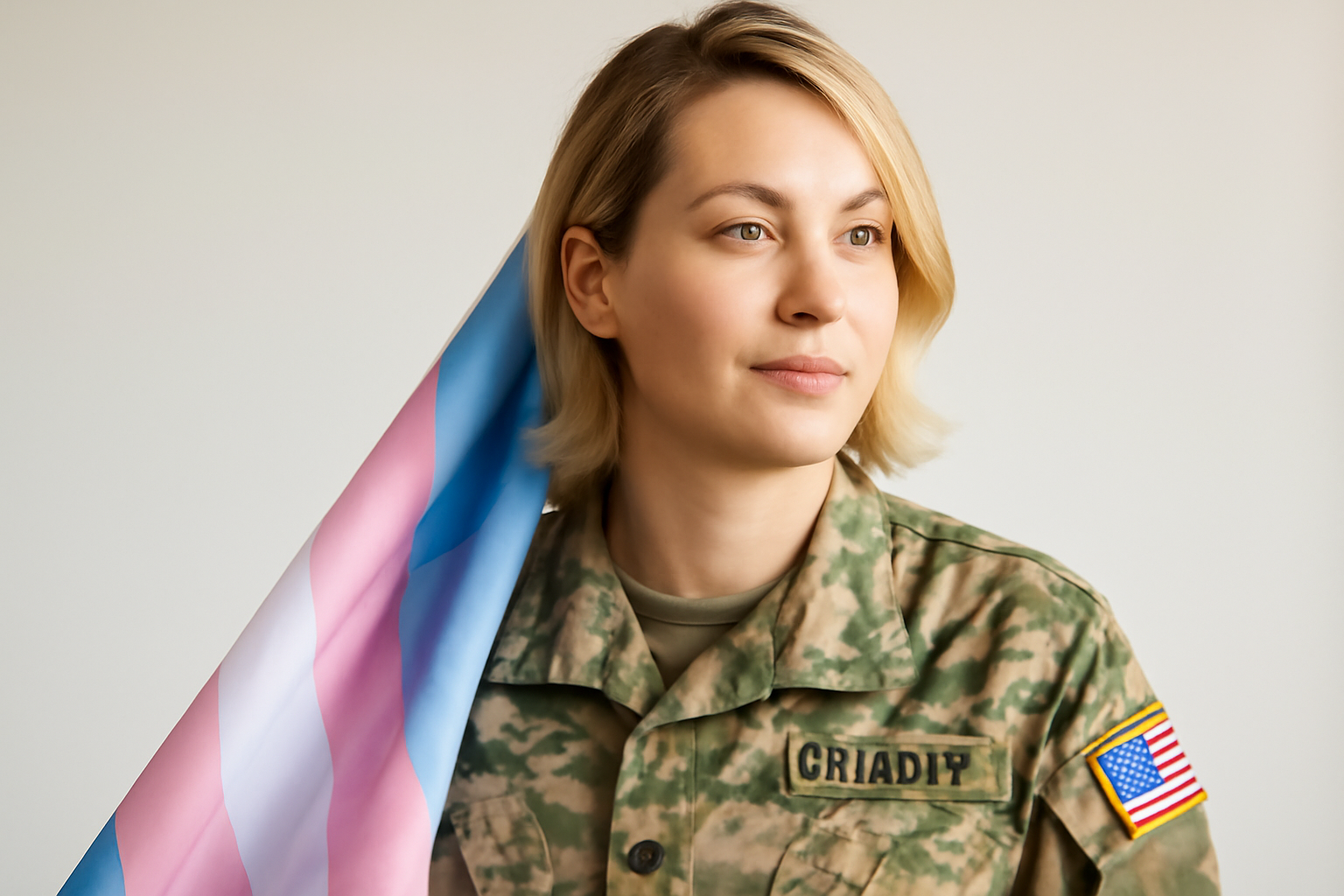
The military has long been an institution that mirrors, and sometimes influences, societal attitudes and policies. In recent years, the issue of transgender individuals serving openly in the military has been a topic of significant debate and policy shifts. A recent set of policies introduced by the current administration has sparked considerable discussion and concern among advocates for transgender rights.
Background on Transgender Military Service
Transgender people have served in the military throughout history, though often without the ability to serve openly due to policies that prohibited their service. Under previous administrations, steps were taken to allow transgender individuals to serve openly, recognizing their contributions and the importance of inclusivity in military service. However, these policies have not been without controversy, leading to a seesaw of policy changes over the years.
New Policy Changes
The new policies enacted by the administration have been described by many as the most restrictive yet. These policies impose significant limitations on the ability of transgender individuals to serve openly. Under these new rules, transgender individuals may find it much more challenging to enlist or continue their service unless they adhere to the sex they were assigned at birth. This effectively reverses previous policies that allowed transgender service members to serve in their authentic gender identity.
The rationale given for these changes is often framed in terms of maintaining military readiness and cohesion. However, many advocates and experts argue that these policies do not reflect the realities of military service or the capabilities of transgender individuals. Rather, they believe that these policies are more reflective of broader societal debates and discrimination against transgender individuals.
Impact on Transgender Service Members
For the thousands of transgender individuals currently serving, these policy changes mean uncertainty and potential disruption of their military careers. Many will face the difficult decision of whether to comply with the new regulations or risk being discharged. The mental and emotional toll of such decisions cannot be underestimated, as many transgender service members have built their lives and careers around military service.
Furthermore, these policies may discourage new recruits from considering military service as a viable option, further impacting the diversity and inclusivity of the armed forces. The policy changes have been met with criticism from advocacy groups that emphasize the value of diversity and the importance of allowing all individuals, regardless of gender identity, to serve their country.
Response from Advocacy Groups
In response to the new policies, numerous advocacy groups have mobilized to support transgender service members. Legal challenges are likely, as many advocates argue that these policies violate the rights of transgender individuals. Public campaigns are also being launched to raise awareness and support for transgender service members, highlighting their contributions and the importance of inclusivity in the military.
Advocacy groups are also providing resources and support for those affected by the changes, offering guidance and assistance to help navigate the new landscape of military service.
Conclusion
The introduction of these policies marks a significant moment in the ongoing debate over the role of transgender individuals in the military. As the discussion continues, it is clear that the experiences and voices of transgender service members will be crucial in shaping the future of military policy. Inclusivity and recognition of the diverse identities of service members are essential for a modern and effective military.
As society progresses, it is hoped that future policies will reflect a commitment to equality and the recognition of the valuable contributions made by all service members, regardless of gender identity.
Related Posts
Supreme Court to Address State Bans on Trans Women in Female Sports
The upcoming U.S. Supreme Court term promises to be a pivotal moment for transgender rights, as the nation's highest court has agreed to evaluate whether states have the authority to prohibit transgender women from participating in female sports competitions. This case, scheduled to be argued in the next term beginning October, is expected to have a significant impact on the future of sports inclu [...]
Megan Rapinoe and Sue Bird Announce Amicable Separation After Ten Years Together
In a heartfelt announcement that resonated deeply within the sports and LGBTQ+ communities, soccer star Megan Rapinoe and basketball legend Sue Bird have revealed their decision to part ways after nearly a decade together. The couple, who have been icons both on and off the field, shared the news with their fans through a joint statement on social media, expressing that the choice was made with mu [...]
Groundbreaking Ruling Ends Sodomy Ban for Police and Military in the Dominican Republic
The Constitutional Court of the Dominican Republic recently delivered a landmark decision on November 18th, ruling that the nation’s police and armed forces are not permitted to criminalize consensual same-sex relations among their personnel. This pivotal ruling is a significant stride towards equality and the protection of LGBTQ+ rights within these institutions. A Resounding Victory for Equal [...]