
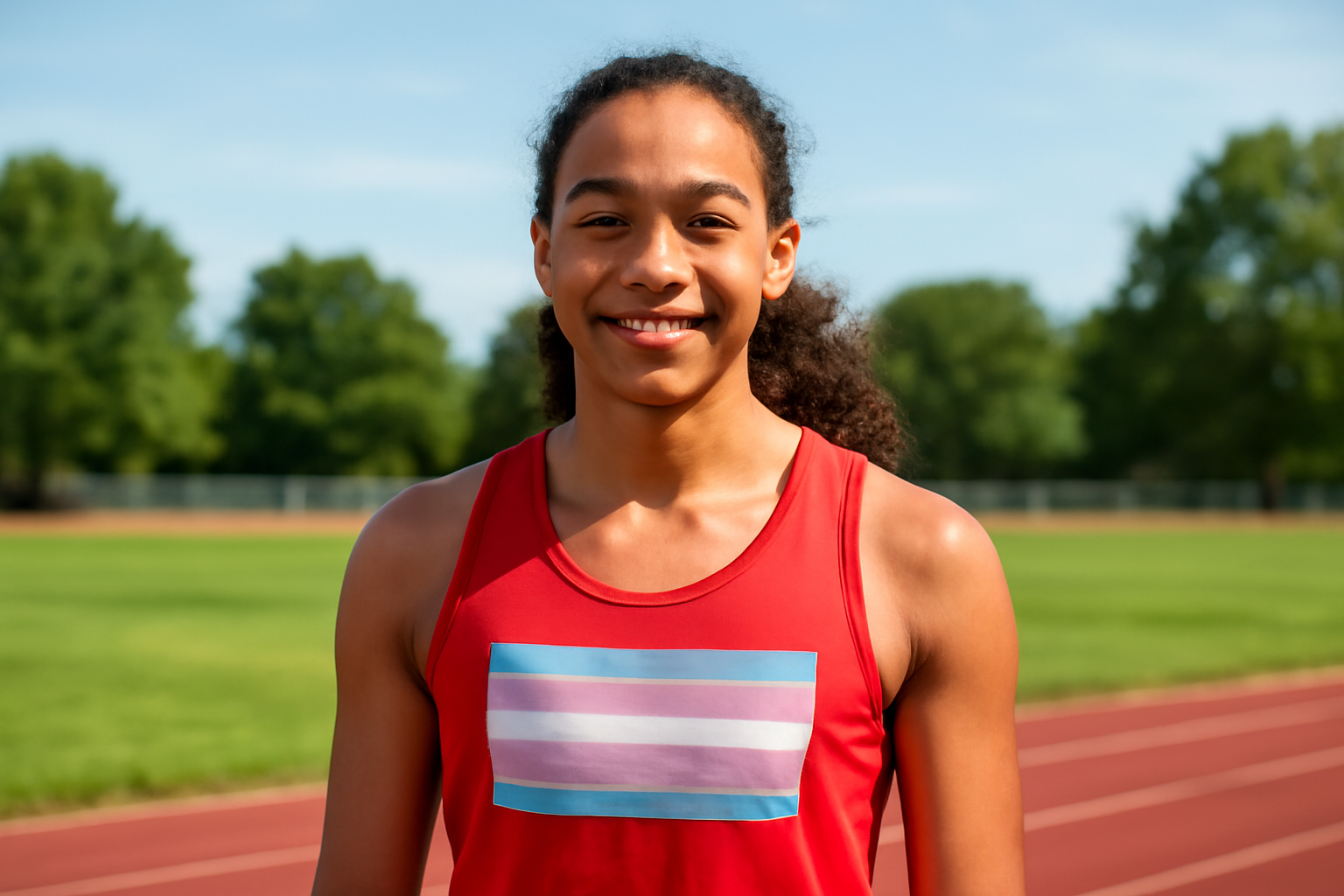
NJSIAA Reaffirms Support For Transgender Athlete Policy
The New Jersey State Interscholastic Athletic Association (NJSIAA), which oversees school sports in New Jersey, has made it clear that it's standing firmly by its transgender athlete policy. Despite pressures at a federal scale, they're not buding on their rules regarding transgender students in sports.
Holding Firm Against Federal Directives
In light (or despite)of executive orders from Trump that tried limiting transgender athletes' participation in teams matching their gender identity, NJSIAA's stance sends a big message. They've upheld a policy they put in place back in 2009 and updated in 2017, focusing on inclusion, which says a lot.
Their policy lets transgender students—those whose gender identity doesn't align with their birth-assigned sex—join sports teams based on either their assigned sex or their gender identity, but not both. This seeks a balance, promoting inclusivity while aiming at fair competition.
Policy Details And Maintaining Fair Play
The policy also strictly states that athletes can't switch gender categories mid-season. Plus, schools can question a transgender athlete's participation if there's compelling evidence that their involvement might skew fairness. This rule tries keeping things fair and square, not just on paper but in practice too.
The Push From The Feds And State-Level Commitment
Amid governmental pressure, with threats from Trump's administration about pulling federal funding from non-compliant educational bodies, NJSIAA remains true. Their unwavering support highlights their dedication not just because they have state law on their side but because they're embracing inclusivity and respect.
States like Maine, California, and Minnesota are also feeling some federal heat over possible Title IX issues linked with letting transgender athletes compete as per their gender identity. It shows how tricky this balance between national and state-level rules can get.
Legal Insights And State Authority
Steve Goodell, NJSIAA's legal counsel, recently made it clear that their policy fits state law. If there are disputes over transgender participation, these are expected and prepared (or set up)to be tackled by schools, students, and state representatives, with NJSIAA respecting school and state control.
The Evolving Landscape Of Transgender Rights In School Sports
The NJSIAA's decision stands as a lighthouse signaling support amid federal moves that seem pretty adversarial towards LGBTQ+ rights. It's part and parceling an ongoing nationwide conversation about straddling fairness in competition with inclusivity in sports.
As talks around transgender athlete rights roll on, NJSIAA's stance might be a model others look up too or look ti elsewhere. Their pledge towards a policy allowing transgender athletes rights consistent with their gender identity highlights how vital state advocacy becomes in this larger fight surrounding LGBTQ+ rights.
Wrapping It Up: A Vow To fair play And Inclusivity
Ultimately, NJSIAA's steadfast policy support goes beyond just sports; it embodies values schools aim toward—acceptance, fairness, and respect. It's a potent reminder that state organizations have a pivotal role in protecting student rights, ensuring school sports stay inclusive, where everyone gets an equal shot at participating and soaring high!
Related Posts
Supreme Court to Address State Bans on Trans Women in Female Sports
The upcoming U.S. Supreme Court term promises to be a pivotal moment for transgender rights, as the nation's highest court has agreed to evaluate whether states have the authority to prohibit transgender women from participating in female sports competitions. This case, scheduled to be argued in the next term beginning October, is expected to have a significant impact on the future of sports inclu [...]
Megan Rapinoe and Sue Bird Announce Amicable Separation After Ten Years Together
In a heartfelt announcement that resonated deeply within the sports and LGBTQ+ communities, soccer star Megan Rapinoe and basketball legend Sue Bird have revealed their decision to part ways after nearly a decade together. The couple, who have been icons both on and off the field, shared the news with their fans through a joint statement on social media, expressing that the choice was made with mu [...]
Groundbreaking Ruling Ends Sodomy Ban for Police and Military in the Dominican Republic
The Constitutional Court of the Dominican Republic recently delivered a landmark decision on November 18th, ruling that the nation’s police and armed forces are not permitted to criminalize consensual same-sex relations among their personnel. This pivotal ruling is a significant stride towards equality and the protection of LGBTQ+ rights within these institutions. A Resounding Victory for Equal [...]