
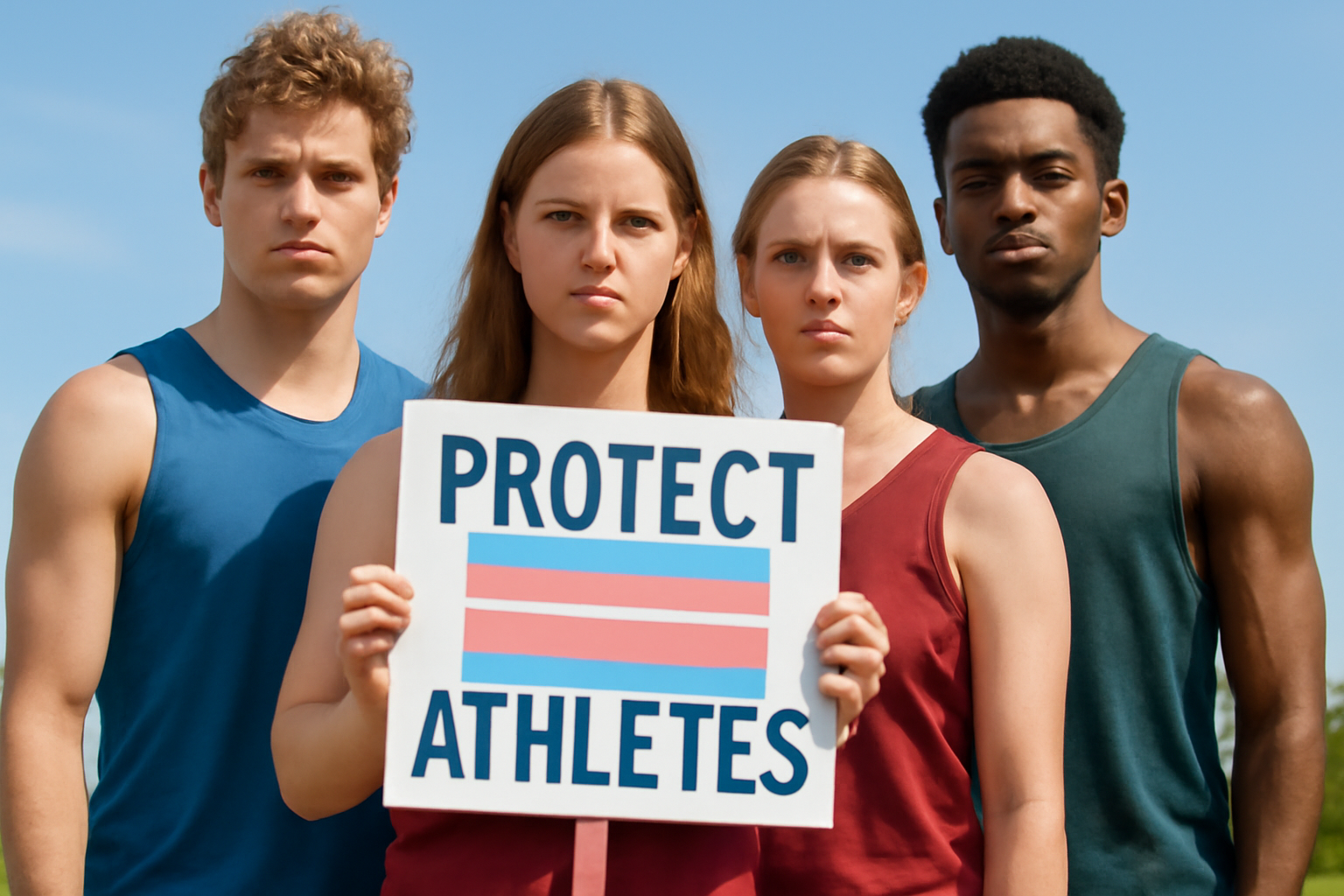
In New Hampshire, a group of determined student athletes are stepping up to champion the rights of transgender athletes by challenging recent federal directives that they believe are discriminatory. The movement, led primarily by young athletes from various schools, aims to ensure that sports remain inclusive and supportive for everyone, regardless of gender identity.
The Background of the Controversy
The debate over transgender athletes' participation in sports has been a contentious topic in recent years. Many federal policies have been introduced, which some argue unfairly target transgender individuals, particularly in the realm of school sports. These policies often suggest placing restrictions on transgender athletes, such as requiring them to compete according to their sex assigned at birth, rather than their gender identity.
For many transgender students, sports are not just extracurricular activities but a vital part of their identity and community. Being part of a team offers these students a sense of belonging, camaraderie, and confidence. However, policies that exclude or discriminate against them can have profound negative impacts on their mental health and overall well-being.
Students Taking a Stand
The student athletes in New Hampshire are not taking these challenges lightly. With the support of local advocacy groups, they are organizing rallies, speaking at school board meetings, and using social media to raise awareness about the issue. Their efforts have gained significant attention both locally and nationally, as more people join the conversation about the rights of transgender athletes.
One student leader, Alex Thompson, a high school junior and track athlete, explained, "Sports should be a welcoming space for everyone. Excluding transgender athletes not only harms those individuals, but it also diminishes the spirit of competition and inclusivity that sports are supposed to foster."
Support from Local and National Organizations
Several advocacy groups have rallied behind these students, providing legal advice, organizational support, and platforms to amplify their voices. Organizations such as GLSEN and the ACLU are offering resources to help educate both students and the broader community about the importance of inclusive sports policies.
The movement in New Hampshire is part of a broader national trend, where states and local communities are increasingly challenging federal directives that they see as unjust. The courage displayed by these young athletes serves as an inspiration to others facing similar challenges across the country.
Why Inclusivity in Sports Matters
Inclusive sports environments are crucial for fostering a sense of belonging and promoting overall mental and physical health. For transgender students, being able to participate in sports according to their gender identity is not just a matter of fairness but also one of dignity and respect. Exclusionary policies do not just impact the athletes themselves but also send a broader message about who is welcome in various spaces.
Studies have shown that participation in sports is linked to numerous positive outcomes, including higher self-esteem, better academic performance, and improved mental health. When transgender students are barred from participating, they miss out on these benefits, which can have long-term effects on their development and well-being.
The Path Forward
As the conversation continues, the student athletes in New Hampshire are hopeful that their actions will lead to meaningful change. They are advocating for policies that recognize and respect the identities of all athletes and ensure that everyone has the opportunity to compete in a fair and supportive environment.
Their efforts underscore the importance of listening to young voices and recognizing the impact of policies on the lives of individuals. The fight for inclusive sports is far from over, but the resolve and determination of these students show that progress is possible.
Looking ahead, the focus will remain on education, advocacy, and building alliances with supporters across various sectors. The students hope that through persistent advocacy, they can help create a sports culture where everyone, regardless of their gender identity, feels welcome and valued.
Related Posts
Supreme Court to Address State Bans on Trans Women in Female Sports
The upcoming U.S. Supreme Court term promises to be a pivotal moment for transgender rights, as the nation's highest court has agreed to evaluate whether states have the authority to prohibit transgender women from participating in female sports competitions. This case, scheduled to be argued in the next term beginning October, is expected to have a significant impact on the future of sports inclu [...]
Megan Rapinoe and Sue Bird Announce Amicable Separation After Ten Years Together
In a heartfelt announcement that resonated deeply within the sports and LGBTQ+ communities, soccer star Megan Rapinoe and basketball legend Sue Bird have revealed their decision to part ways after nearly a decade together. The couple, who have been icons both on and off the field, shared the news with their fans through a joint statement on social media, expressing that the choice was made with mu [...]
Groundbreaking Ruling Ends Sodomy Ban for Police and Military in the Dominican Republic
The Constitutional Court of the Dominican Republic recently delivered a landmark decision on November 18th, ruling that the nation’s police and armed forces are not permitted to criminalize consensual same-sex relations among their personnel. This pivotal ruling is a significant stride towards equality and the protection of LGBTQ+ rights within these institutions. A Resounding Victory for Equal [...]