
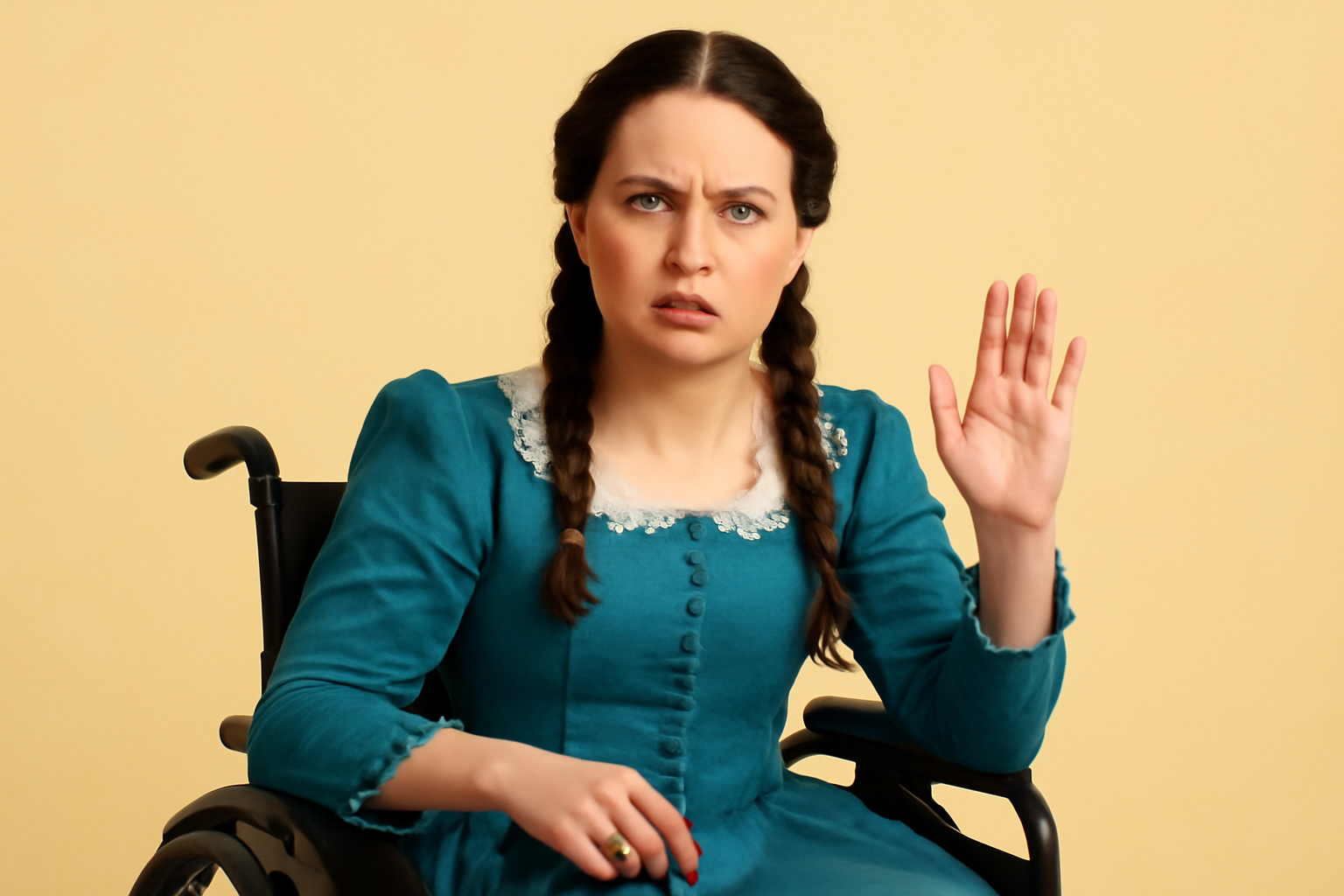
In the vibrant world of musical theater, stories are brought to life through song, dance, and a variety of dynamic characters. One such character is Nessarose Thropp from the beloved musical "Wicked." Known for being the sister of Elphaba, the Wicked Witch of the West, Nessarose’s character is an important figure in the storyline, providing depth and perspective on the themes of power, love, and acceptance.
Nessarose, often referred to as Nessa, is portrayed as a woman with a disability, using a wheelchair for mobility. Her representation on stage highlights an important aspect of inclusivity in theater, but it has also sparked conversations about sensitivity and respect.
The Issue of Offensive Humor
Recently, there has been growing concern over certain jokes and comments made about Nessarose’s character, particularly in various adaptations and discussions surrounding "Wicked." These remarks have been labeled as "deeply uncomfortable" by many, including actors and fans who resonate with Nessarose’s journey and the challenges faced by those with disabilities.
Listeners and viewers have pointed out that some humor targeted at Nessarose’s disability is not only distasteful but perpetuates negative stereotypes about individuals with disabilities. These jokes often reduce a character with a rich backstory and emotional depth to mere punchlines, detracting from the meaningful representation that her character can provide.
Voices of Change in the Theater Community
Members of the theater community, including actors who have portrayed Nessarose on stage, have come forward to express their discomfort with such humor. They emphasize the need for a more respectful approach to writing and discussing characters with disabilities.
"As an actor, it’s my job to bring authenticity to my role. Nessarose is more than just her disability; she is a complex person with her own dreams, struggles, and strengths," one performer noted. "When we make jokes at the expense of her disability, we diminish her character and the importance of her story."
These sentiments echo a broader movement within the arts to promote inclusivity and sensitivity towards all individuals, regardless of their physical or mental abilities. The conversation around Nessarose serves as a reminder of the responsibility creators and audiences have in shaping narratives that are respectful and representative.
Shifting Perspectives and Encouraging Empathy
The criticisms surrounding the humor directed at Nessarose have sparked important dialogues about empathy and understanding. Fans of "Wicked" have taken to social media to voice their support for a more nuanced portrayal of Nessarose, urging creators to consider the impact of their words and actions.
"Wicked" has long been celebrated for its themes of acceptance and the exploration of different perspectives. By addressing the concerns about Nessarose’s portrayal, the musical has an opportunity to further these themes in a way that is inclusive and affirming for all audiences.
It’s crucial that Nessarose’s character is allowed to shine as a full and relatable person, rather than being overshadowed by insensitive humor. This shift not only benefits those with disabilities by offering them representation but also enriches the story for all viewers.
Looking Ahead
As "Wicked" continues to tour and captivate audiences worldwide, the conversations it inspires are as important as the performances themselves. By engaging with these discussions, the theater community has the ability to lead by example, showcasing how art can both entertain and educate.
Ultimately, the goal is to create a space where characters like Nessarose can be appreciated for their full humanity, where audiences can learn to see beyond limitations and celebrate the diversity of experiences that make up our world.
In fostering a culture of respect and empathy, "Wicked" can continue to be a powerful force for positive change, reminding us all of the magic that comes from seeing the world through someone else’s eyes.
Related Posts
Supreme Court to Address State Bans on Trans Women in Female Sports
The upcoming U.S. Supreme Court term promises to be a pivotal moment for transgender rights, as the nation's highest court has agreed to evaluate whether states have the authority to prohibit transgender women from participating in female sports competitions. This case, scheduled to be argued in the next term beginning October, is expected to have a significant impact on the future of sports inclu [...]
Megan Rapinoe and Sue Bird Announce Amicable Separation After Ten Years Together
In a heartfelt announcement that resonated deeply within the sports and LGBTQ+ communities, soccer star Megan Rapinoe and basketball legend Sue Bird have revealed their decision to part ways after nearly a decade together. The couple, who have been icons both on and off the field, shared the news with their fans through a joint statement on social media, expressing that the choice was made with mu [...]
Groundbreaking Ruling Ends Sodomy Ban for Police and Military in the Dominican Republic
The Constitutional Court of the Dominican Republic recently delivered a landmark decision on November 18th, ruling that the nation’s police and armed forces are not permitted to criminalize consensual same-sex relations among their personnel. This pivotal ruling is a significant stride towards equality and the protection of LGBTQ+ rights within these institutions. A Resounding Victory for Equal [...]