
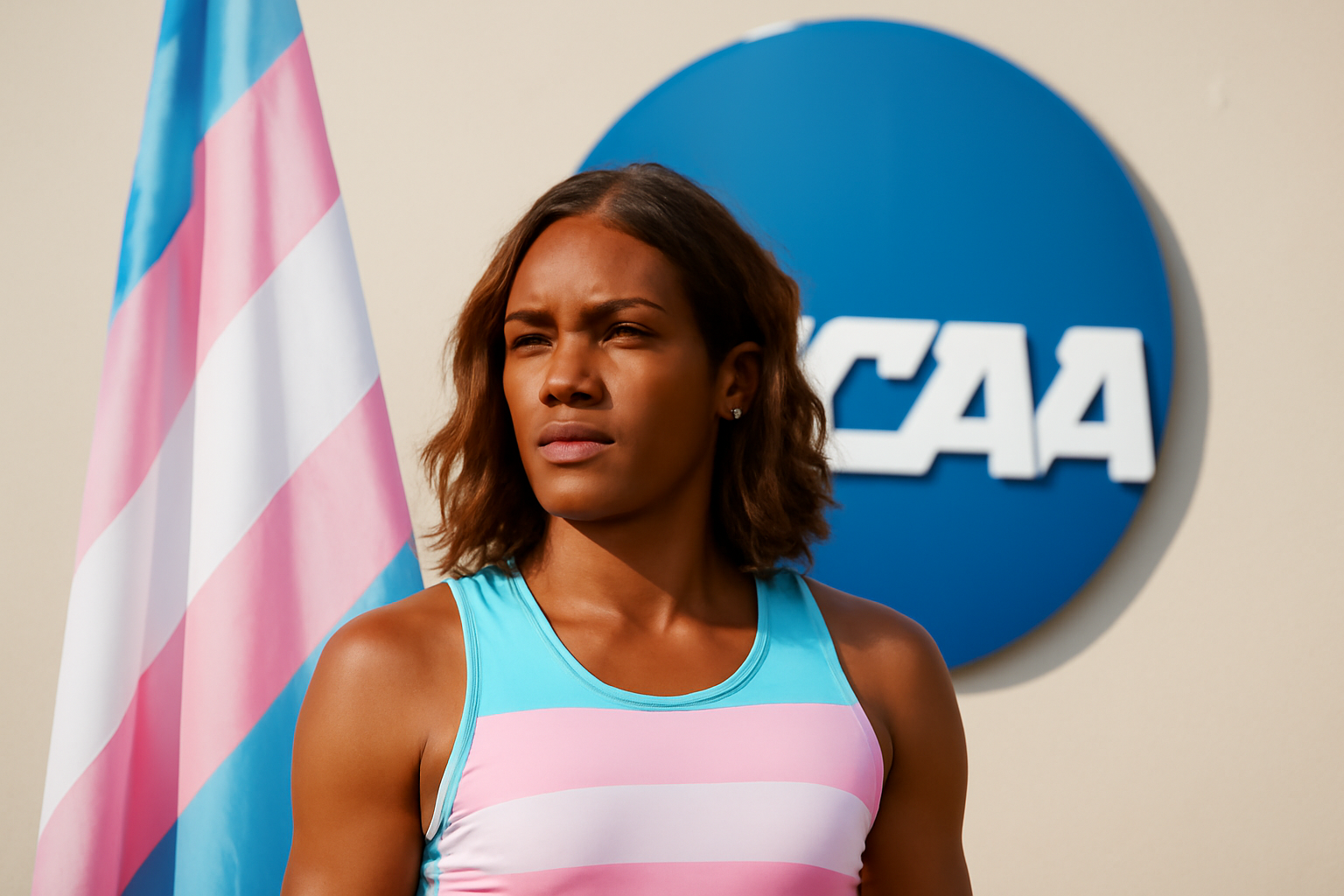
Recent federal guidelines issued by the administration have sparked significant discussion and controversy regarding the participation of transgender athletes in collegiate sports. The NCAA, an organization that governs college sports and advocates for inclusivity, has responded to these new directives with a carefully considered stance.
The Federal Directive
In a move that has galvanized both support and criticism, the federal government recently issued guidelines that effectively restrict the participation of transgender athletes in sports that align with their gender identity. These guidelines have been characterized as part of a broader policy initiative aimed at regulating and defining gender participation in athletics. Many advocacy groups have expressed concern that this could undermine the advances made in recent years towards achieving greater inclusivity and equality for transgender individuals in sports.
The NCAA, known for its commitment to diversity, equity, and inclusion, finds itself at a crossroads. The new directive challenges the association to balance its mission to support all athletes while complying with federal regulations.
NCAA's Position
In a statement issued by the NCAA, the organization reaffirmed its dedication to the principles of inclusion and fair competition. "The NCAA is deeply committed to ensuring all athletes have the opportunity to participate in college sports, regardless of gender identity," the statement reads. However, the NCAA also acknowledged the need to adhere to the new federal guidelines, stating that compliance with federal law is paramount to the continued operation of college sports.
This decision by the NCAA has not come lightly. The association has been a leader in advocating for the rights of transgender athletes, implementing policies that allow athletes to compete in accordance with their gender identity. The new federal direction has compelled the NCAA to reassess these policies and seek a path forward that respects both the regulatory requirements and the rights of individual athletes.
Community and Advocacy Group Reactions
The reaction from LGBTQ+ advocacy groups and allies has been swift and vocal. Many organizations have criticized the federal guidelines as discriminatory and harmful to transgender athletes. Groups such as Athlete Ally and the Human Rights Campaign have called for action, urging the NCAA to stand firm in its support for transgender athletes and challenge the federal directive.
"This is a step backward for equality in sports," said a spokesperson for one advocacy group. "Transgender athletes deserve the right to compete in a manner consistent with their gender identity. We urge the NCAA to continue leading the fight for inclusion and equality."
Looking to the Future
As the NCAA navigates these complex issues, it remains committed to finding solutions that honor its longstanding values. The association plans to engage with various stakeholders, including student-athletes, coaches, and advocacy organizations, to better understand the implications of the federal guidelines and explore potential avenues for advocacy and change.
The NCAA's commitment to inclusivity and fairness in athletics remains steadfast. The association has pledged to work tirelessly to advocate for policies that respect the rights of all athletes, while also ensuring compliance with federal regulations. This delicate balance represents one of the most significant challenges the NCAA has faced in recent years.
Ultimately, the future of transgender athlete participation in college sports will depend significantly on the ongoing dialogue between policymakers, advocacy groups, and governing bodies like the NCAA. The association's role in this discussion will be critical in shaping policies that promote equality and inclusivity while navigating the evolving landscape of federal regulations.
The NCAA continues to encourage open dialogue and collaboration as it seeks to uphold its mission of fostering a diverse and inclusive environment for all athletes. As discussions progress, the association remains hopeful that a resolution can be achieved that honors the rights and dignity of every athlete.
Related Posts
Supreme Court to Address State Bans on Trans Women in Female Sports
The upcoming U.S. Supreme Court term promises to be a pivotal moment for transgender rights, as the nation's highest court has agreed to evaluate whether states have the authority to prohibit transgender women from participating in female sports competitions. This case, scheduled to be argued in the next term beginning October, is expected to have a significant impact on the future of sports inclu [...]
Megan Rapinoe and Sue Bird Announce Amicable Separation After Ten Years Together
In a heartfelt announcement that resonated deeply within the sports and LGBTQ+ communities, soccer star Megan Rapinoe and basketball legend Sue Bird have revealed their decision to part ways after nearly a decade together. The couple, who have been icons both on and off the field, shared the news with their fans through a joint statement on social media, expressing that the choice was made with mu [...]
Groundbreaking Ruling Ends Sodomy Ban for Police and Military in the Dominican Republic
The Constitutional Court of the Dominican Republic recently delivered a landmark decision on November 18th, ruling that the nation’s police and armed forces are not permitted to criminalize consensual same-sex relations among their personnel. This pivotal ruling is a significant stride towards equality and the protection of LGBTQ+ rights within these institutions. A Resounding Victory for Equal [...]